Naftifine Hydrochloride
Description

Naftifine Hydrochloride API for Pharmaceutical Formulations | High-Purity Antifungal Active Ingredient
Pharmaceutical-grade Naftifine Hydrochloride (CAS 65473-14-5) is sold by Xi'an Le-Nutra Ingredients Inc. It is guarantyd to be 99% pure, and this has been confirmed by HPLC. With a production facility that is GMP-compliant and can hold 3,000 tonnes per year, we can make consistent batches of topical pharmaceutical formulations like gels, solutions, and creams. Our high-tech quality control systems make sure that we meet USP, EP, and CP standards. Plus, we have more than 14 years of experience working with active pharmaceutical ingredients, so we can guarantee stable supply chains and 98% on-time delivery. Each batch comes with a lot of paperwork, like a COA, an MSDS, a TDS report, and an HPLC chromatogram, to help with regulatory filing and production for sale.
What is Naftifine Hydrochloride?
It is a synthetic derivative of allylamine that inhibits the fungal enzyme squalene epoxidase, which is crucial to ergosterol synthesis. This route is blocked resulting in the development of squalene, which destroys the cells, and of ergosterol, an essential component of fungal membranes.
The compound solves two big problems in the business. It counteracts the increasing problem of dermatophytes developing resistance to conventional azole-based therapies. Second, it has natural anti-inflammatory properties that relieve itching and redness in the early phases of treatment, which makes patients more willing to adhere to their treatment and improves their general health.
This allylamine is distinct from other compounds since it not only kills dermatophytes fungi but also inhibits their growth. It also has activity against Candida species, and is useful in treating mixed infections with bacteria and fungi encountered in clinical dermatology.
Technical Specifications and Quality Standards
Our pharmaceutical-grade material meets stringent international pharmacopoeia requirements:
| Parameter | Specification |
|---|---|
| CAS Number | 65473-14-5 |
| Molecular Formula | C₂₁H₂₂ClN |
| Molecular Weight | 323.86 g/mol |
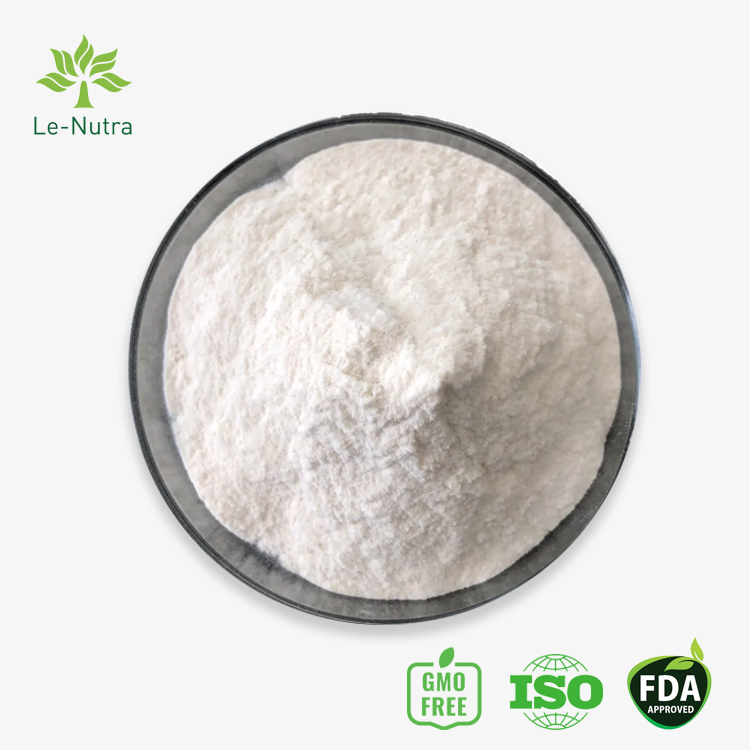
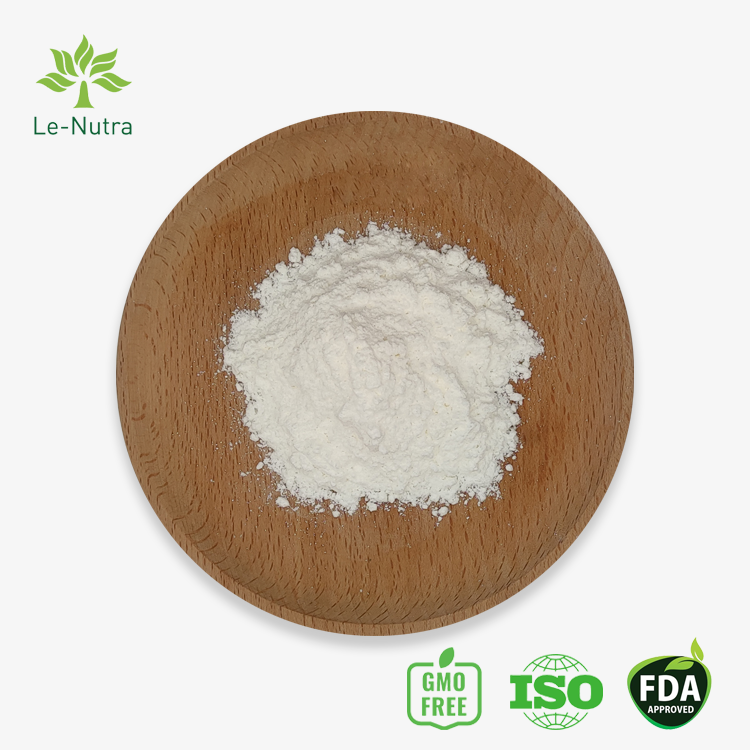
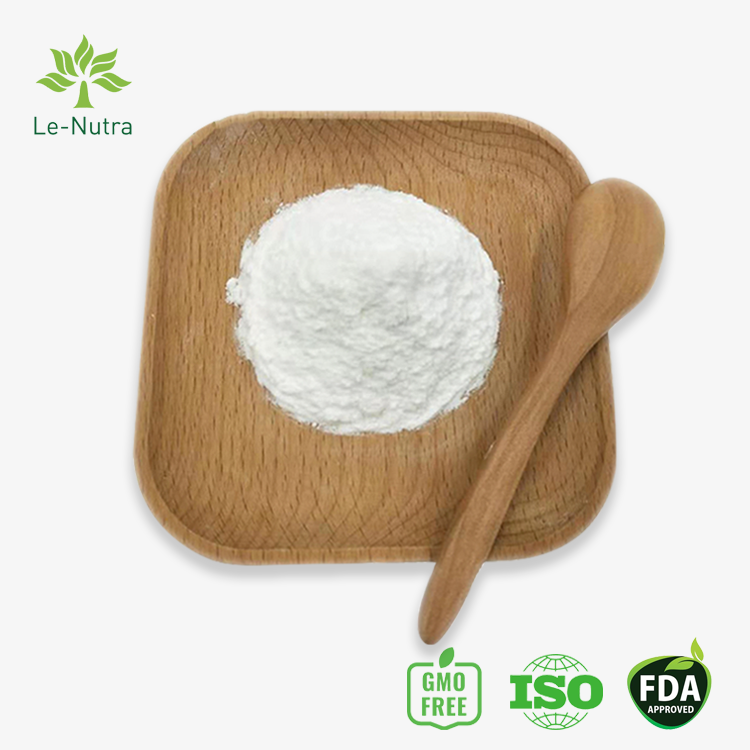
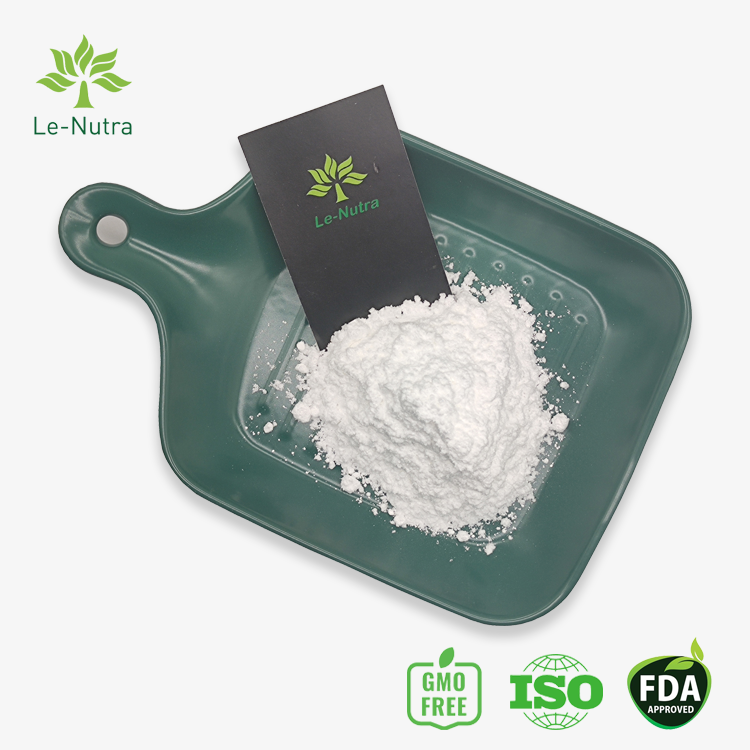
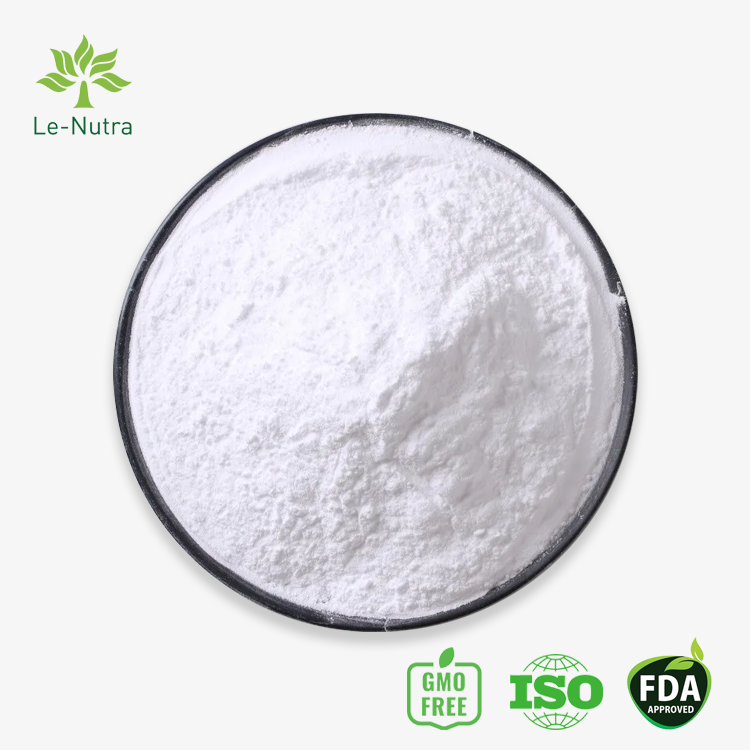
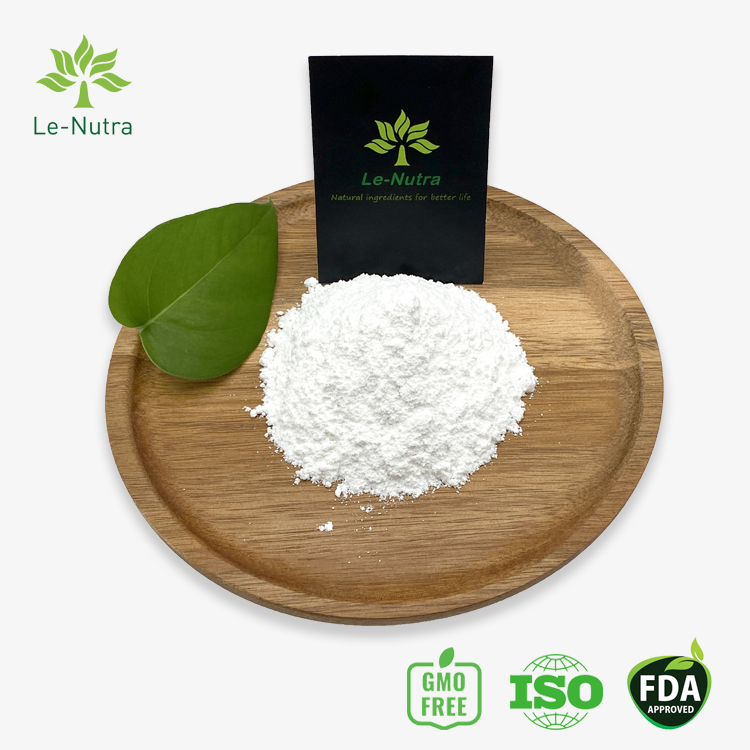
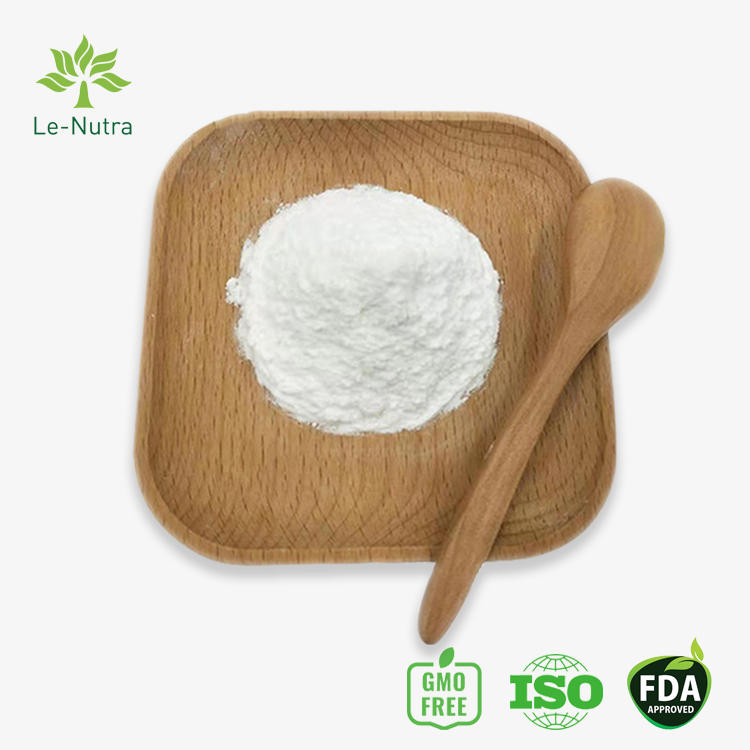
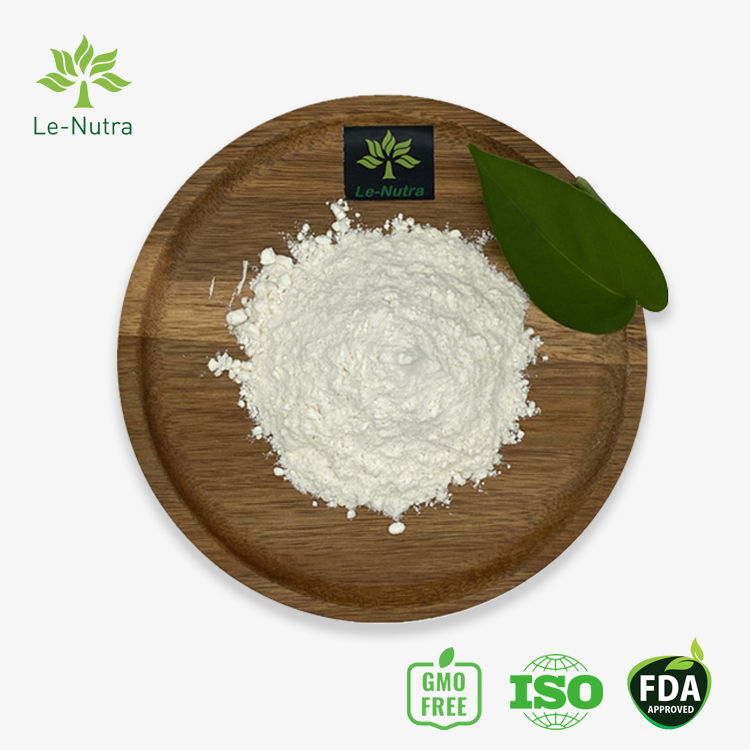
| Appearance | White to off-white crystalline powder |
| Assay (HPLC) | ≥99.0% |
| Loss on Drying | ≤0.5% |
| Residue on Ignition | ≤0.5% |
| Heavy Metals | ≤20 ppm |
| Total Plate Count | ≤10 cfu/g |
| Yeast & Mold | ≤100 cfu/g |
| Melting Point | 175–179°C |
| Solubility | Freely soluble in ethanol and dichloromethane |
Our QC lab also does impurity profiling, residual solvent testing by Gas Chromatography and particle size distribution analysis to control the quality of our formulations.
Core Pharmaceutical Applications
 Topical Antifungal Preparations
The primary application is in dermatologic preparations at 1% and 2% concentrations for tinea pedis, tinea cruris, tinea corporis, tinea capitis and superficial candidiasis. It is very lipophilic, hence it penetrates deeply into stratum corneum and can be kept for extended time thereby reducing the frequency of dosing.
Onychomycosis Treatment
Its stability and penetration qualities are exploited in specific nail lacquers and treatments for the treatment of fungal nail infections in the senior population. This application does not have the systemic medication interactions observed with oral antifungals.
Veterinary Dermatology
For the treatment of fungal infections of the skin in companion animals and livestock, formulated into sprays and ointments where environmental durability and broad spectrum activity are critical.
Pharmaceutical Research
Used in investigations on the mechanism of inhibition of squalene epoxidase, screening models for the development of novel antifungal agents and studies on cutaneous pharmacokinetics.
Competitive Advantages and Differentiation
Dual-Action Antimicrobial Spectrum
It offers fungicidal action against dermatophytes, and bactericidal activity against Gram-positive and Gram-negative bacteria, with Naftifine Hydrochloride. This dual spectrum covers one active ingredient for polymicrobial skin diseases.
Unique Mechanism Among Allylamines
This chemical has superior intrinsic anti-inflammatory properties compared to terbinafine resulting in a speedier alleviation of symptoms. As shown in clinical trials, pruritus and inflammation are lessened within 48-72 hours of initial administration.
Formulation Flexibility
Its chemical stability over the pH ranges and compatibility with various excipients allow for the development of different delivery systems such as emulsion based creams, alcohol based gels, aqueous solutions and anhydrous ointments.
Regulatory Compliance & Documentation
Each batch is tested for related compounds , residual solvents ( ICH Q3C compliant ) and microbiological limits . We provide entire regulatory support documents for ANDAs, NDAs and international marketing authorisation applications.
Quality Assurance and Manufacturing Standards
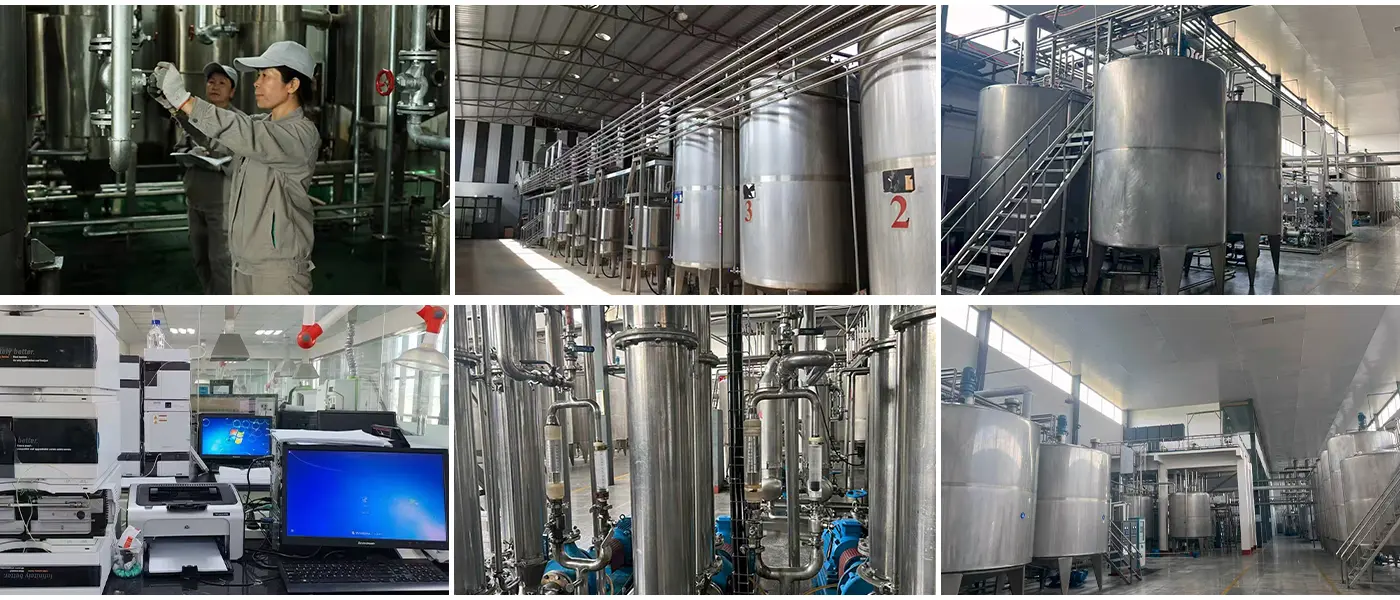
Our GMP-certified facility has six multipurpose production lines and modern extraction and purification technologies. Critical quality control steps include:
- HPLC Purity Assay: Ensures ≥99% active in every production batch
- Impurity Profiling: Identifies degradation products and synthesis byproducts at less than 0.1% thresholds
- Residual Solvent Testing: GC analysis shows ethanol, dichloromethane and other solvents are below parts-per-million safety limits
- Particle Size Analysis: Provides homogenous distribution for consistent suspension and absorption rates
- Stability Testing: Accelerated and long term experiments confirm 36 month shelf life under controlled conditions
Our specialist R&D team provides technical guidance to adjust the formulation including the use of penetration enhancers and emulsifiers to overcome the problem of poor water solubility.
Flexible Supply and Customization Services
Scalable Packaging Choices
Available in 1kg, 5kg, 10kg and 25kg versions to support R&D studies through commercial production. The standard packaging is in fibre barrels with double-layer food grade polyethylene liners for moisture protection.
OEM/ODM Capability
We provide formula creation, specification changes, private labelling and custom packaging design. Our team works on purity changes, particle size parameters and application-specific requirements.
Worldwide Logistics Solutions
We provide procurement preferences with flexible Incoterms (EXW, FOB, CIF, DAP, DDP) We have 30 days of safety stock and strong logistical relationships to provide reliable delivery of product to North America, Europe and Asia-Pacific markets.
Low MOQs
From 1kg for research purposes, we enable cost-effective trials and formulation development before expanding to commercial levels.

Packaging and Storage
Standard packing is 25kg fibre drums with double layer food grade polyethylene bag lining. Available in small packs (1kg, 5kg, 10kg) for study and trial manufacturing.
Store in a cool, dry area, away from direct light. Shelf Life: Stable for 36 months if stored in sealed containers and under proper circumstances at 20-25°C.
FAQ
Q: What is the difference between the product and terbinafine?
A: They are both allylamines, but this medicine has considerable intrinsic anti-inflammatory activity, and generally gives patients who develop discomfort during therapy more fast symptomatic relief.
Q: Where do I store bulk API?
A: Store in sealed containers, protected from light, at controlled room temperature of 20-25°C to prevent oxidative deterioration and to ensure chemical stability for the 36-month shelf life.
Q: Is this chemical active against Candida?
A: It is fungicidal in nature against dermatophytes and fungistatic against Candida species. Thus it is used in broad spectrum applications in mixed fungal infections.
Q: What are some common formulation challenges?
A: Poor water solubility needs the use of penetration enhancers or particular emulsifiers to formulate stable topical gels. Technical support with 14+ years of active ingredient experience for formulation help.
Q: Does your product meet USP residual solvent tests?
A: Yes. Each batch is accompanied by a certificate of analysis proving all residual solvents are far below parts-per-million limits set by international pharmacopeial standards.
Partner With a Reliable API Supplier
Ready to discuss your Naftifine Hydrochloride requirements? Contact our technical team at enquiry@lenutra.com for samples, specifications, and customized solutions tailored to your formulation needs.
Online Message
YOU MAY LIKE
High-quality Botanical Extracts, Functional Ingredients, And Nutraceutical Raw Materials Manufacturer And Supplier