Oct 29, 2026
A Beginner's Guide to Azelaic Acid Powder
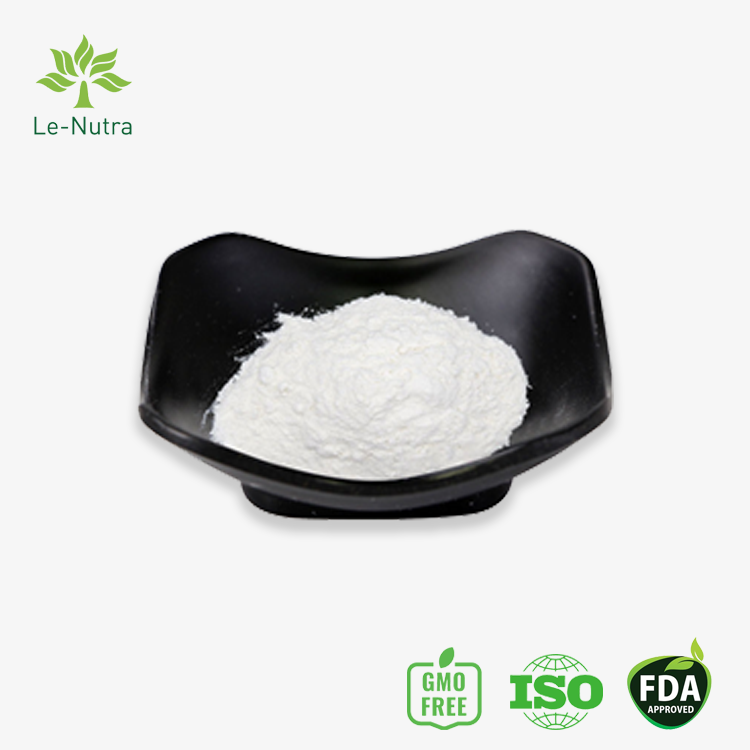
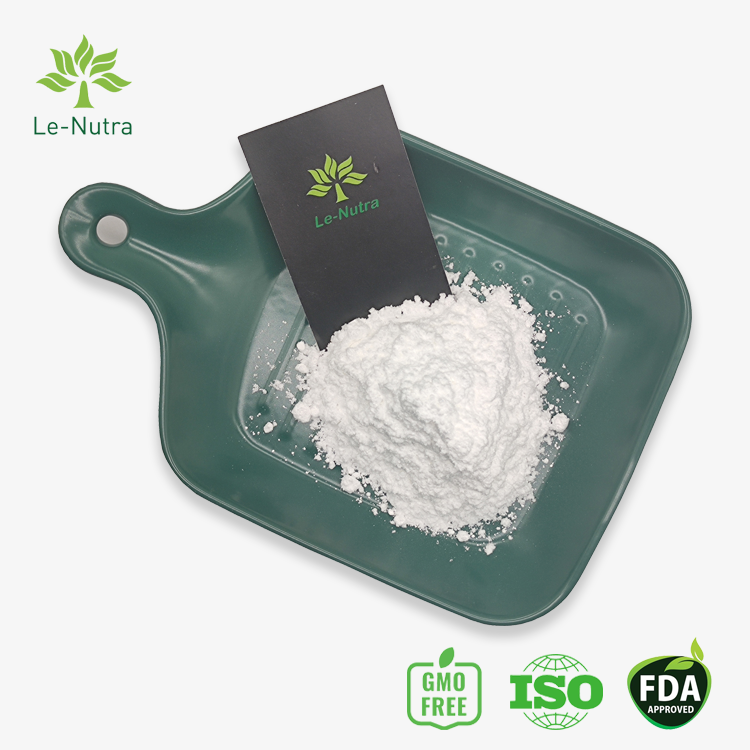
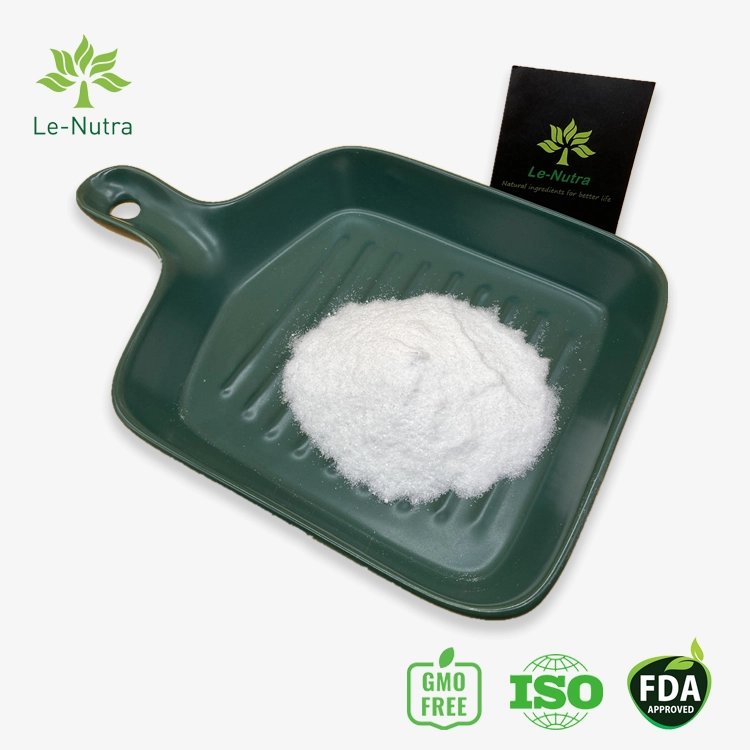
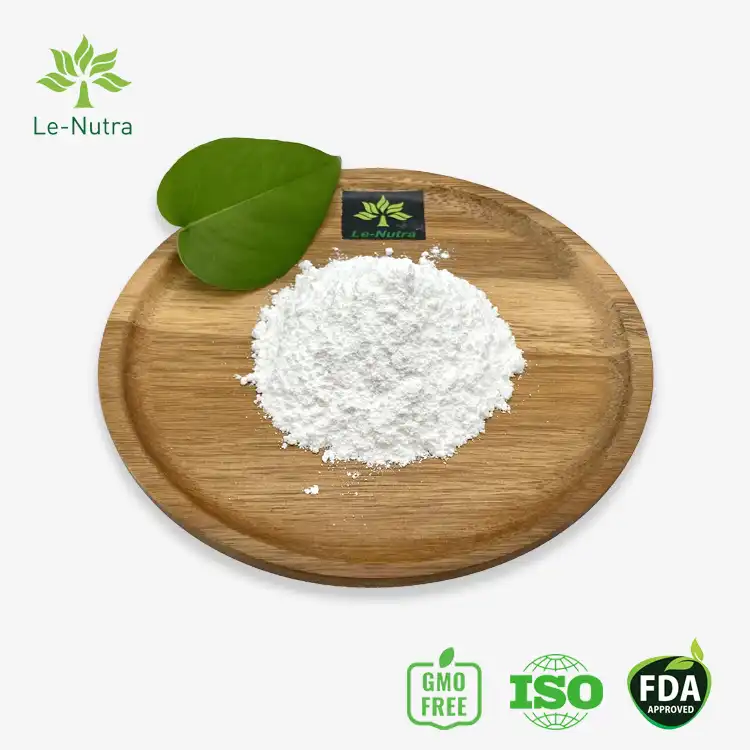
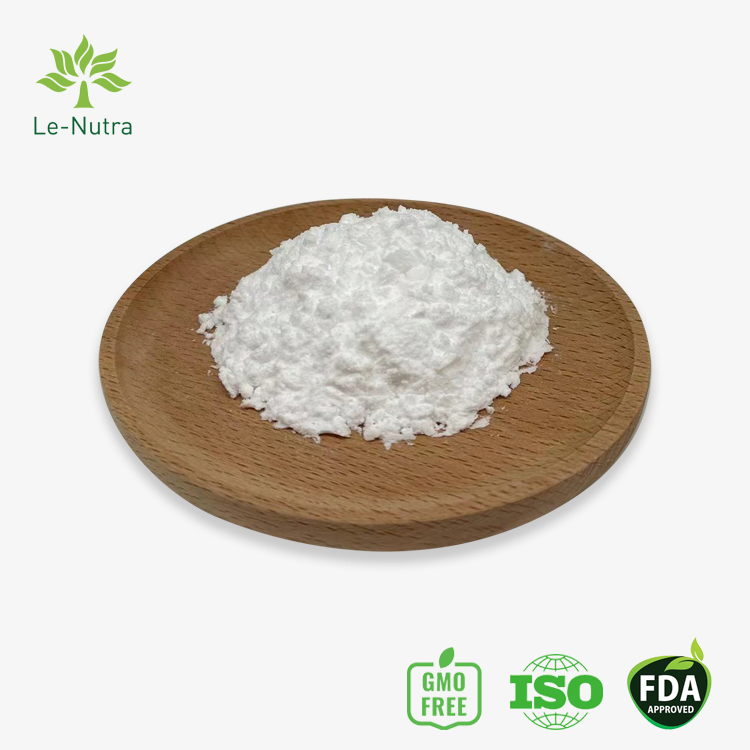
Azelaic acid powder (CAS 123-99-9) is a white fine powder that is either extracted from wheat or barley or generated synthetically, and has the chemical identity of nonanedioic acid (C9H16O4). It is a functional cosmetic ingredient that can meet four skincare needs at the same time: acne treatment, skin whitening, anti-inflammation, and barrier restoration. It is suitable for a wide variety of compositions, from face creams to serums, with 98% and 99% purity grades available. It's also quite low on the irritation scale, which means it's suitable for sensitive skin and pregnant people, too, which is unusual for active chemicals.

Understanding Azelaic Acid Powder: Properties and Benefits
Prior to selecting any active ingredient for a skincare formulation, I always consider three things: what it does, how it behaves chemically, and whether it satisfies my manufacturing criteria. Azelaic acid powder reliably checks all three conditions.
Chemical Identity and Physical Profile
Azelaic acid powder is a white fine powder with a melting point of 104–109°C. Its 1 % solution in 1N NaOH is a clear, colorless liquid. This is an indication of high purity and low impurity load. The key quality characteristics are: chlorides ≤0.005%, sulfates ≤0.025%, heavy metals ≤0.001%, iron ≤0.002%, and moisture ≤0.5%. The particle size requirement, 98% below 50μm and a minimum of 30% below 30μm, has a direct impact on texture and solubility in final formulations.
Four Core Skincare Functions
Azelaic acid powder acts in 2 main ways. Firstly, it inhibits the development of Propionibacterium acnes, which helps to prevent acne. Secondly, it blocks the action of tyrosinase in overactive melanocytes, which helps to treat post-inflammatory hyperpigmentation and melasma. Additionally, it has a proven anti-inflammatory impact and helps to repair the skin barrier. “You can’t find a single-function active, like salicylic acid or kojic acid, that can do all of this in one.”

Safety and Audience Range
One real benefit of azelaic acid powder vs. retinoids or benzoyl peroxide is tolerance. It is non-teratogenic as shown by clinical research and so appropriate for use in pregnant women, a group with limited alternatives for treatment of acne and pigmentation. When formulations are appropriately pH-adjusted, sensitive skin types, particularly skin prone to rosacea, respond favorably with few documented adverse effects.
How to Effectively Use Azelaic Acid Powder in Skincare Formulations
When adding azelaic acid powder into a final product, you also have to take into account the solubility, concentration restrictions, and compatibility with other ingredients. That is what I have learnt from dealing with this raw material in several sorts of formulations.
Recommended Concentration Guidelines
Regulations impose defined use limits. Azelaic acid is approved in the European Union at ≤10% in rinse-off products and ≤15% in leave-on products. US cosmetic rules have a very similar range. Most OEM manufacturers marketing in both markets usually formulate their anti-acne and brightening serums with a leave-on percentage of 10%–15%.
Formulation Strategies for Powder Format
Because the melting point of the azelaic acid powder is high (104–109 °C), direct dissolving by a cold process is not effective. The formulator will normally distribute the micronized powder in a hot emulsion phase, or use a suitable solubilizer. The tiny particle size, most of which is less than 30μm, decreases the grit that has been previously associated with azelaic acid solutions, resulting in a smoother finished product. This makes it useful for face creams, lotions, and gel serums alike.
Pairing with Complementary Actives
Azelaic acid powder works well with niacinamide to enhance its brightening effect without any antagonism. It also works effectively with panthenol for further barrier support. Combinations of glycolic acid need careful pH control to prevent instability. Always do compatibility testing when combining with vitamin C derivatives or alpha hydroxy acids, since a change in pH may diminish the effectiveness of both actives.
Comparing Azelaic Acid Powder with Other Alternatives
Knowing where azelaic acid powder is in the mix of various treatment choices gives procurement teams the confidence to make the right selections, without over-engineering product lines.
Powder vs. Pre-Formulated Topical Forms
The raw azelaic acid powder may be bought so that producers can manage the concentration, particle size, and design of the formulation directly. Creams or gels pre-formulated by branded providers are inflexible and drive up the cost per unit considerably. For OEM and ODM manufacturing in large quantities, raw azelaic acid powder is a more cost-effective way, but still allows you to tailor product positioning – whether it is acne, melasma or rosacea.
Azelaic Acid vs. Hydroquinone for Hyperpigmentation
Hydroquinone is still a good option for pigmentation, although regulatory pressure has been growing in the EU, Japan, and several countries in Southeast Asia. Azelaic acid powder is a compliance option with a better safety profile. It specifically targets aberrant melanocytes without killing normal skin cells, a crucial differentiator for businesses appealing to pregnancy-safe or “clean beauty” customers.
Suitability Across Skin Types
Azelaic acid powder is one of the more tolerable active brightening and anti-acne agents for all skin types. Unlike high-concentration glycolic acid or retinol, it doesn’t cause major purging responses or photosensitivity. This makes it feasible for year-round usage and acceptable for inclusion in products marketed to both oily and dry/sensitive skin populations.
Procuring Azelaic Acid Powder: What B2B Buyers Need to Know
The choice to choose azelaic acid powder isn't only a cost comparison. Downstream product quality and market compliance are also impacted by document integrity, manufacturing standards, and supplier dependability.
Certifications and Documentation to Request
When assessing a supplier, the minimal paperwork package for azelaic acid powder should contain a COA (Certificate of Analysis), TDS (Technical Data Sheet), MSDS, Allergen Report, Non-GMO Declaration, and Halal and Kosher Certificates. GMP and ISO certifications provide confirmation that the manufacturing environment complies with globally recognized standards of quality management. These are not formalities – these papers are necessary for EU and US cosmetic product notifications.
Particle Size and Purity Specifications
Not all Azelaic acid powder items have the same standard. To ensure formulation correctness, please validate that purity is confirmed by HPLC (not only titration), and that particle size distribution is provided on the COA. The industry-accepted range for cosmetic grade applications is defined as 98% of 98% particles below 50μm with a minimum of 30% below 30μm. Deviations from this range impact skin sensation and ingredient dispersion in emulsions.
Packaging, MOQ, and Delivery Terms
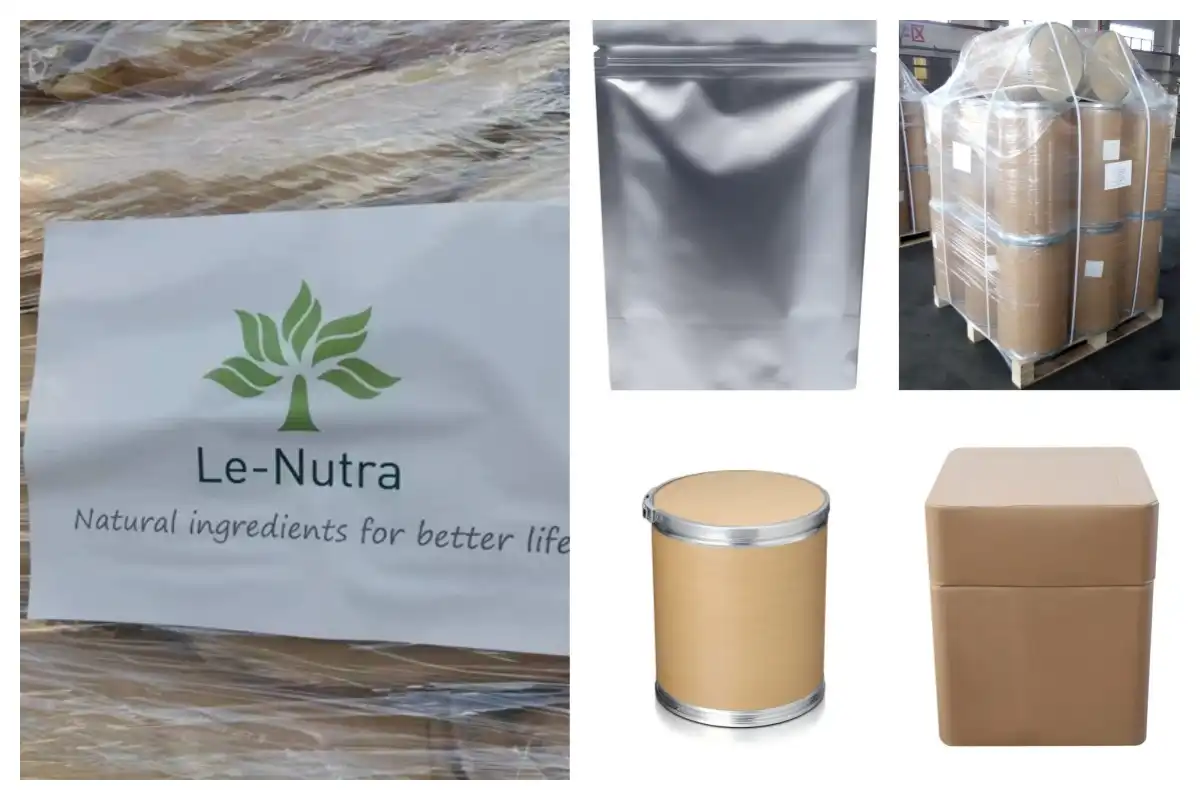
Azelaic acid powder is available in standard packing of 25-kilogram fiber drum coated with double-layer food-grade polyethylene bags. This prevents caking and moisture absorption when traveling and in storage. Flexible delivery terms (e.g., EXW, FOB, CFR, CIF, DAP, or DDP) for local and foreign procurement. Payment: T/T, PayPal, Western Union, and Alibaba Trade Assurance Payment Terms. Flexible payment terms for buyers from various countries.
Potential Side Effects and Risk Management in Azelaic Acid Powder Use
Common Reactions and How to Manage Them
Azelaic acid powder is usually well tolerated at the appropriate dosages. A few individuals experience minor stinging or brief redness when they first take it, especially if their skin barrier is weakened. These responses usually resolve in two to four weeks. Formulation-wise, end product pH is adjusted to 4.0 to 5.5 to prevent irritation without compromising effectiveness.
Storage Conditions to Maintain Quality
Azelaic Acid Powder Storage: Store in sealed containers in a cold, dry, and ventilated storage place. When exposed to high humidity, the material absorbs moisture and cakes, which impairs its dispersibility in formulations. Open a drum and reseal it quickly. Shelf life is reliable (given suitable circumstances) and allows for inventory management for small brands and large-scale producers.
Quality Control Protocol at the Source
Azelaic acid powder should be tested for purity by HPLC, melting point, and heavy metals in each batch before distribution. The ability to request COA’s for several batches gives purchasers the ability to judge batch-to-batch consistency, which impacts the repeatability of the completed product and the experience of the customer.
Conclusion
Azelaic acid powder is a highly researched, multi-functional raw ingredient that has earned its position in current skincare products. Its ability to treat acne, hyperpigmentation, inflammation, and skin healing all in one ingredient, together with its great safety track record across a wide range of skin populations, makes it a perfect option for brand creators and OEM manufacturers alike. The difference between a successful product launch and an expensive reformulation is sourcing it properly, with confirmed purity, the right particle size, and full regulatory paperwork. I hope this guidance will assist you in building a clearer foundation for your purchase and formulation selections.
FAQ
1. What is the standard purity for cosmetic-grade azelaic acid powder?
Cosmetic-grade azelaic acid powder typically meets ≥98% or ≥99% purity verified by HPLC. The 99% grade is preferred for medical-aesthetic and clinical skincare applications where impurity control is critical.
2. Can azelaic acid powder be used in products for sensitive skin?
Yes. Azelaic acid powder has a documented low irritation profile. When formulated at the correct pH and concentration, it is appropriate for sensitive and reactive skin types, and is one of the few actives suitable for use during pregnancy.
3. What certifications should I verify before purchasing?
At minimum, confirm the supplier holds GMP and ISO certifications and can provide COA, TDS, Allergen Report, Non-GMO, Halal, and Kosher documents. These support both product safety compliance and regulatory filing in key export markets.
4. What is the recommended particle size for serum formulations?
For serums and lightweight emulsions, a particle size where 98% of particles fall below 50μm and at least 30% fall below 30μm produces the smoothest texture and best dispersion.
5. Is azelaic acid powder compatible with niacinamide?
Yes. Niacinamide and azelaic acid powder work well together in brightening formulations. Both target pigmentation through different pathways, and their combined use at appropriate concentrations does not produce known antagonistic interactions.
Partner with Le-Nutra for Reliable Azelaic Acid Powder Supply
Le-Nutra supplies pharmaceutical- and cosmetic-grade azelaic acid powder manufactured under GMP standards, with full documentation including COA, TDS, Allergen, Non-GMO, Halal, Kosher, ISO, and GMP certificates. Backed by 14+ years of industry experience and a 60,000㎡ production facility, we support OEM/ODM customization, flexible MOQ, and global delivery. Contact our team directly to request samples or pricing: enquiry@lenutra.com |. We look forward to working with you as your long-term azelaic acid powder supplier.
References
1. Draelos, Z.D. (2006). Cosmetic Dermatology: Products and Procedures. Blackwell Publishing.
2. Breathnach, A.S. (1996). Melanin hyperpigmentation of skin: melasma, topical treatment with azelaic acid and other therapies. Cutis, 57(1 Suppl), 36–45.
3. Fitton, A., & Goa, K.L. (1991). Azelaic acid: a review of its pharmacological properties and therapeutic efficacy in acne and hyperpigmentary skin disorders. Drugs, 41(5), 780–798.
4. Thiboutot, D., et al. (2003). Efficacy and safety of azelaic acid (15% gel) as a new treatment for papulopustular rosacea. Journal of the American Academy of Dermatology, 48(6), 836–845.
5. European Commission. (2023). Cosmetics Regulation (EC) No 1223/2009 — Annex III: List of Restricted Substances. Publications Office of the European Union.
6. Bladon, P.T., & Burke, B.M. (1986). Topical azelaic acid and the treatment of acne: a clinical and laboratory comparison with oral tetracycline. British Journal of Dermatology, 114(4), 493–499.
Online Message
YOU MAY LIKE
High-quality Botanical Extracts, Functional Ingredients, And Nutraceutical Raw Materials Manufacturer And Supplier