Nov 2, 2026
How to Use Azelaic Acid Powder?
Azelaic acid powder is used in cosmetic compositions by dispersing it in a suitable carrier at a regulated temperature, as its melting point is 104–109°C. For leave-on products (e.g., serums, creams), the usual working concentration is 5-15%. For rinse-off forms, it must be kept to no more than 10% as per EU requirements. The powder is poorly soluble in cold water, and therefore a smoother, more stable outcome is obtained by pre-blending the powder with a warm emollient phase or using a high shear mixer. Particle size matters: 98% under 50µm makes a difference in skin sensation and absorption.
Understanding Azelaic Acid Powder: Properties and Benefits
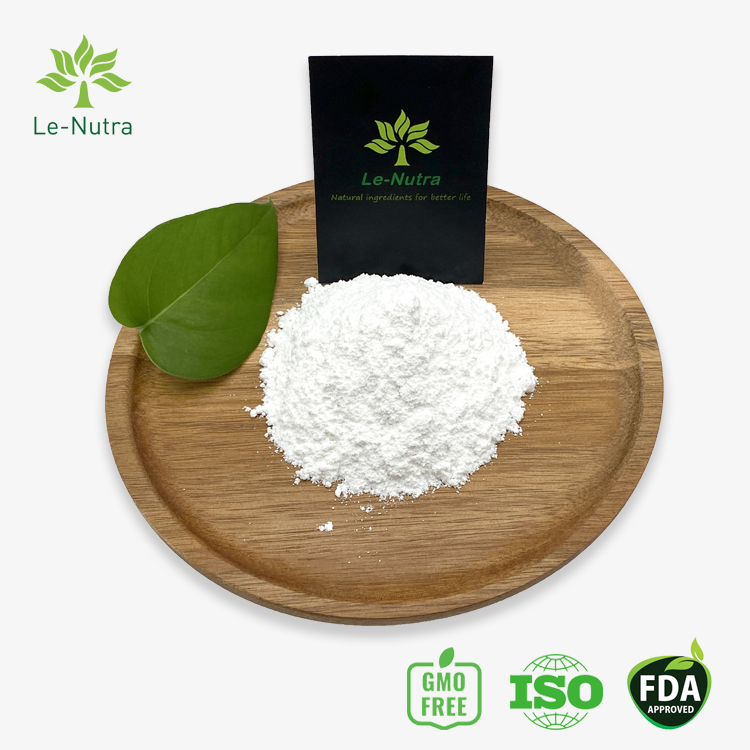
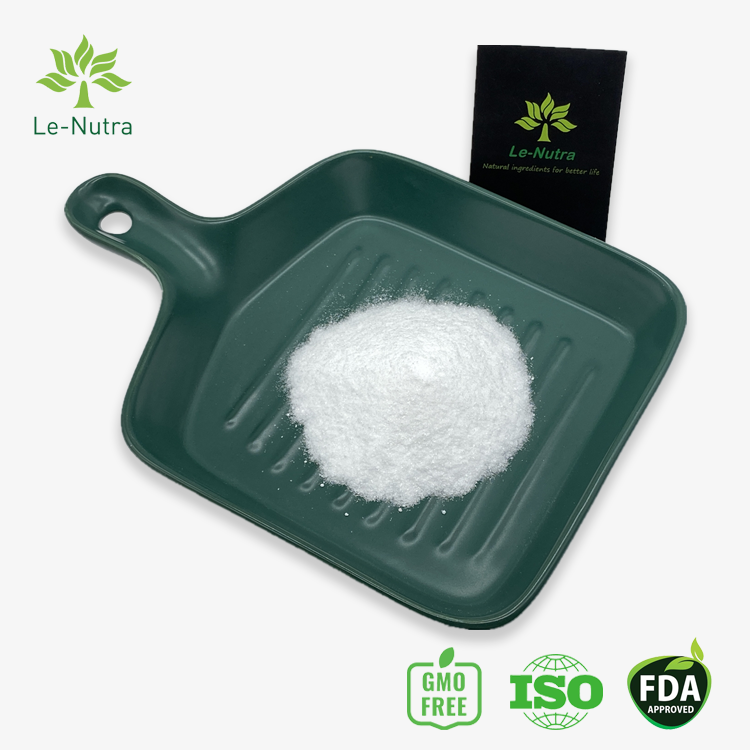
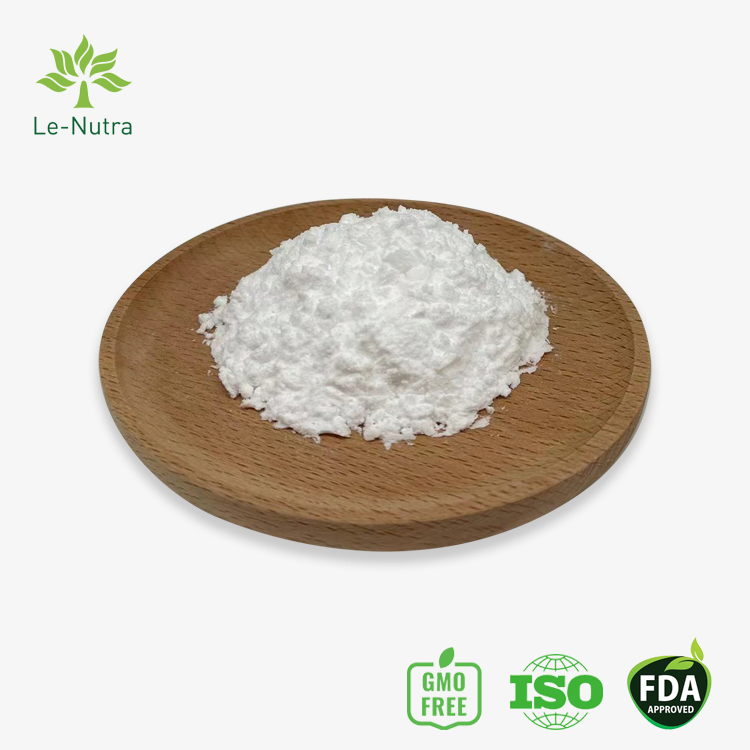
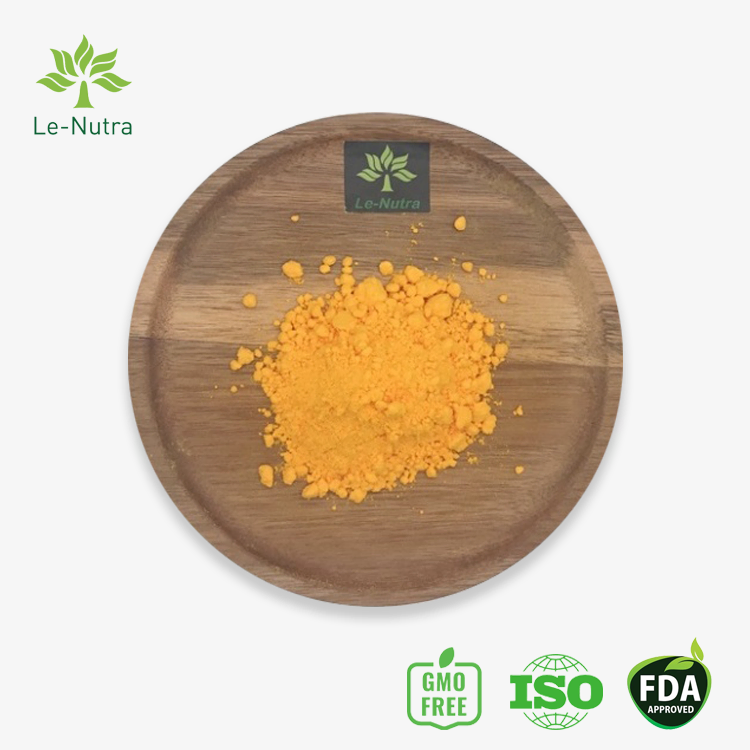
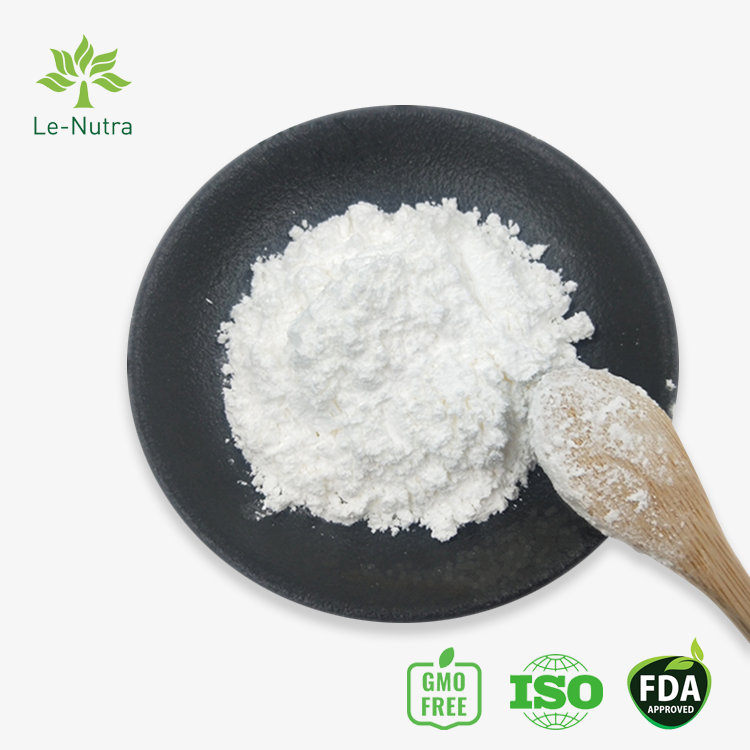
Azelaic acid powder (CAS 123-99-9), or nonanedioic acid, is a saturated dicarboxylic acid having the chemical formula C9H16O4. It is a white, fine powder obtained by fermentation of wheat or barley or from the ozonolysis of oleic acid synthetically. We at Le-Nutra provide it at ≥99.0% purity (confirmed by HPLC), with particle size at 98% < 50 µm and at least 30% < 30 µm – specs that are very important for formulators.
Chemical Profile at a Glance
Melting point of powder 104-109°C; moisture content ≤0.5%; heavy metals ≤0.001%; chlorides ≤0.005%. It is soluble in 1% NaOH solution to provide a colorless, clear liquid – an indication of standard purity. These stringent constraints provide the batch-to-batch consistency cosmetic and dermocosmetic producers need.
Four Core Functional Benefits
Azelaic acid has four established skincare benefits: acne reduction via antibacterial suppression of P. acnes, skin tone lightening by selective tyrosinase inhibition, anti-inflammatory activity for rosacea-prone skin, and barrier repair support. Clinical investigations demonstrate that topical 15-20% azelaic acid is as effective as benzoyl peroxide in treating acne and is substantially less irritating (British Journal of Dermatology, 2003).
Why It Stands Out Among Actives
It does not have cytotoxicity problems like hydroquinone. It’s safe to use throughout pregnancy, unlike retinoids. It has better direct antibacterial action than niacinamide. It is well tolerated on sensitive skin and does not cause over-exfoliation like salicylic acid. These characteristics make it a realistic alternative for firms developing acne, whitening, or anti-redness product lines for a large audience.
How to Use Azelaic Acid Powder Effectively: Step-by-Step Formulation Guide
The best results from this chemical need attention to dispersion, pH, and concentration. I’ve seen a lot of formulators get hung up on grittiness or instability – these are processing issues, not ingredient issues.
Step 1 — Dispersion and Mixing
As this powder is not easily soluble in cold water, mix it in a warm oil or emollient phase (about 70-75°C) while stirring continuously. Agglomerates are broken, and a homogeneous suspension is prepared using a high-shear mixer or homogenizer. Clumping is also greatly reduced if the powder is pre-wetted with propylene glycol or glycerin before addition to the main phase.
Step 2 — pH and Concentration Control
Keep the pH of your final composition between 3.5 and 5.0 to optimize performance and stability. For leave-on products (serums, creams), normal working concentrations in the US market are 10-15%. Rinse-off formats: not to exceed 10% (EU Cosmetics Regulation 1223/2009). Always use a calibrated pH meter (not pH strips) to check the final pH.
Step 3 — Stability and Packaging Validation
Perform 40°C/75% RH accelerated stability testing for a minimum of 12 weeks. Azelaic acid powder is photostable. Protect the completed formula against intrusion of moisture, which might induce hydrolysis over time. A solid starting option is opaque airless packaging. With each batch, Le-Nutra provides a completed COA and TDS to help you with your internal stability documentation and regulatory filings.
Comparing Azelaic Acid Powder with Other Forms and Ingredients
Powder form offers real procurement advantages over pre-formulated gels or creams. I want to walk through why that matters for your product development pipeline.
Powder vs. Pre-Formulated Cream or Gel
With pre-mixed azelaic acid creams, you’re stuck with concentrations and base formulas, limiting your ability to tailor for various skin types or delivery methods. The raw powder allows formulators complete flexibility over concentration, base compatibility, and textural profile. Powder form also has greater shelf stability: moisture content ≤0.5% and storage in sealed 25-kilogram fiber drums with double-layer food-grade polyethylene bags preserves quality for extended durations.
Azelaic Acid vs. Other Actives in Your Formula
Each active does something different. You should choose based on where you want to place your product. Here’s how azelaic acid compares with three typical alternatives:
- Niacinamide (Vitamin B3): Pairs well with azelaic acid for brightening. Niacinamide inhibits melanin transfer while azelaic acid inhibits the enzyme tyrosinase directly. Together, they deliver a multi-tiered brightening effect with very little risk of discomfort.
- Salicylic acid: Good for exfoliating deep pores, but more likely to cause irritation. Azelaic acid is superior to salicylic acid for rosacea-prone or pregnancy-safe formulations.
- Benzoyl peroxide: A powerful antimicrobial that may bleach clothes and dehydrate skin. Azelaic acid has similar anti-acne benefits (Journal of the American Academy of Dermatology, 2004) without those disadvantages.
Knowing these distinctions can help you position your product properly and choose the optimal blend of actives for your target market.
Procurement Guide: Sourcing High-Quality Azelaic Acid Powder
Smart procurement starts with knowing exactly what your formulation demands — and what your supplier can document.
Grade Selection and Specification Matching
For cosmetic applications, the typical requirement is cosmetic-grade powder with purity ≥99.0% and regulated particle size for face creams, lotions, and serums. Make sure that your vendors are providing HPLC-validated COA values, not simply nominal assertions. Heavy metal content (≤0.001%) and iron (Fe ≤0.002%) are important safety assessments, particularly for firms that deal with sensitive skin or medical-grade product lines.
Key Certifications to Request
At least a GMP- and ISO certified azelaic acid powder source is trustworthy. Halal and Kosher certifications give economic value for firms who want to access Muslim-majority areas or health-conscious customers in the US. Clean label positioning is helped by non-GMO certification. Le-Nutra offers comprehensive documentation with every order: COA, TDS, Allergen report, Non-GMO, Halal, Kosher, ISO, and GMP certifications – all accessible upon request before purchase.
Logistics, Packaging, and Payment
Standard packaging is a 25-kilogram fiber drum with a double layer of food-grade polyethylene inside bags. We provide variable delivery options such as EXW, FOB, CFR, CIF, DAP, DDP based on your logistical configuration. Accepted payment options are T/T, PayPal, Western Union, and Alibaba Assurance Account. We give samples to new customers before they place big orders.
Best Practices for Incorporating Azelaic Acid Powder into Your Product Line
Once you've found a dependable source, it's time to develop it into a scalable, market-ready solution. Practices I advocate based on formulation experience.
Align Formulation with Market Demand
The US acne treatment market was valued at $1.8 billion in 2023 (Statista) as softer, non-antibiotic solutions gain appeal. Azelaic acid is the perfect middle ground of that change. Potent enough to be used clinically, light enough for regular consumer usage. Creating a rosacea serum, a brightening moisturizer, or an acne spot treatment? The ingredient may be used across various product categories without reformulating your base.
Batch Testing and Quality Consistency
“Each production batch should be tested for purity by HPLC, melting point confirmed, and screened for heavy metals before release. Le-Nutra does this kind of testing on every batch, and provides detailed inspection reports with the purchase. We also have the ability to sign NDA agreements for OEM customers to preserve secret formulation specifics.
Scaling from Lab to Production
Shear rate differences might affect particle dispersion when scaling a lab formula to 100 kg or 1,000 kg batches. Work with your contract manufacturer to reestablish mixer speed and batch time at each scale increase. We need our raw material supplier to provide consistent particle size across production runs – we keep our demand of 98% < 50 µm between batches, and this ensures reliable scale-up performance.
Conclusion
Azelaic acid powder is a well-studied, multi-functional cosmetic ingredient with substantial clinical support and a good safety profile. The methods discussed here, from the principles of formulation to supplier assessment, provide you with a realistic framework for bringing successful, compliant goods to market. This ingredient is the workhorse for a variety of final product forms, whether you are looking for acne treatment, skin whitening, or anti-redness formulations. Just as crucial as the formulation job itself is choosing the correct supplier – one that delivers certified purity, full documentation and consistent particle size.
FAQ
1. What concentration of azelaic acid is effective for acne treatment?
Clinical studies support concentrations between 15% and 20% for prescription acne treatment. For OTC cosmetic products in the US, 10–15% is a common working range for leave-on formats. Always check current FDA and EU regulatory guidance for your specific product category before finalizing concentration.
2. Can azelaic acid powder be combined with niacinamide or salicylic acid?
Yes. Niacinamide pairs well with azelaic acid for brightening formulas, as both target different steps in melanin production. Salicylic acid can be used alongside it in acne products, but monitor total irritation potential — especially for sensitive skin. Keep pH below 4.0 when combining with salicylic acid to maintain both ingredients' stability.
3. What is the difference between cosmetic-grade and pharmaceutical-grade powder?
Cosmetic-grade (≥98% or ≥99%) is manufactured under GMP conditions and meets EU/US cosmetic regulations. Pharmaceutical-grade follows stricter impurity limits and pharmacopoeial standards for drug applications. For skincare and personal care products, cosmetic-grade ≥99.0% with full documentation (COA, TDS, Allergen, GMP) is appropriate and sufficient.
4. How should azelaic acid powder be stored?
Store it in a sealed container in a cool, dry, well-ventilated space. Avoid heat above 30°C and high humidity. After opening, reseal the drum immediately to prevent moisture absorption and caking. Stored correctly, it maintains quality for 24 months.
Source Your Azelaic Acid Powder with Le-Nutra
Le-Nutra is a direct azelaic acid powder manufacturer with 14+ years of experience in natural ingredients. Our ≥99.0% purity powder comes with full GMP, ISO, Halal, Kosher, and Non-GMO documentation — ready for US and EU market compliance. Request a sample or a custom quote today. Reach our team at enquiry@lenutra.com to get started.
References
1. Breathnach, A.S. (1996). Azelaic Acid: Potential as a General Antitumoural Agent. Medical Hypotheses.
2. Fitton, A., & Goa, K.L. (1991). Azelaic Acid: A Review of its Pharmacological Properties and Therapeutic Efficacy in Acne and Hyperpigmentary Skin Disorders. Drugs.
3. Graupe, K., Verallo-Rowell, V.M., & Verallo, V. (1996). Combined Use of 20% Azelaic Acid Cream and 0.05% Tretinoin Cream in the Topical Treatment of Melasma. Journal of Dermatological Treatment.
4. Katsambas, A., & Dessinioti, C. (2008). New and Emerging Treatments in Dermatology: Acne. Dermatologic Therapy.
5. Thiboutot, D., et al. (2003). Azelaic Acid 15% Gel: A New Topical Treatment for Papulopustular Rosacea. British Journal of Dermatology.
6. Woolery-Lloyd, H., & Keri, J. (2013). Azelaic Acid 15% Foam in the Treatment of Papulopustular Rosacea: A Randomized, Double-Blind, Vehicle-Controlled Study. Journal of the American Academy of Dermatology.
Online Message
YOU MAY LIKE
High-quality Botanical Extracts, Functional Ingredients, And Nutraceutical Raw Materials Manufacturer And Supplier