Oct 30, 2026
What is the use of zeaxanthin powder?
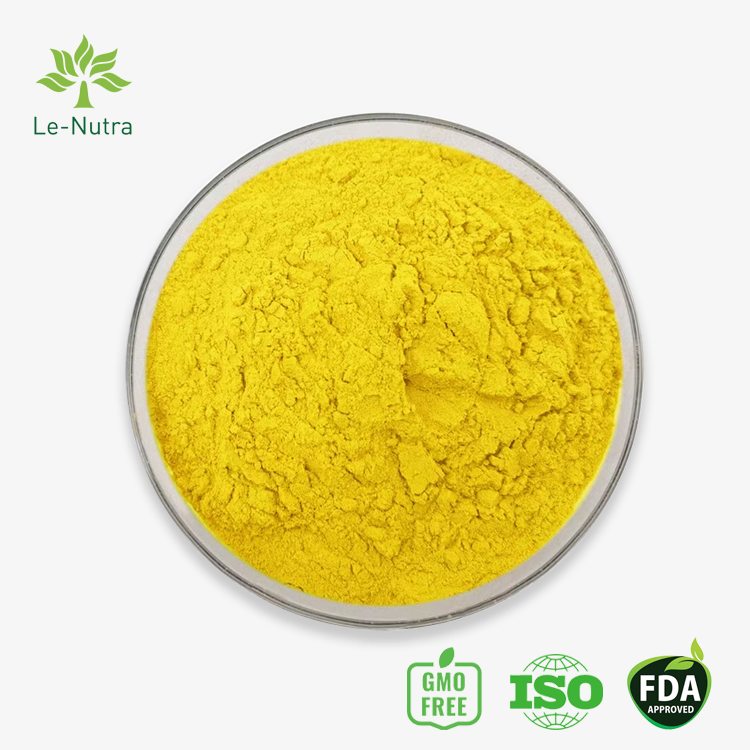
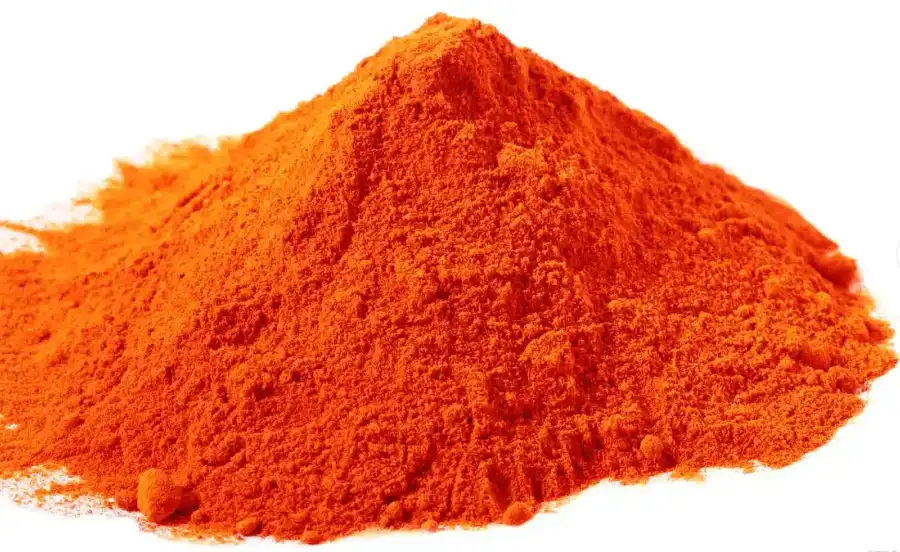
Zeaxanthin powder is one of the carotenoids that has been looked at the most in terms of eye health. The product comes from marigold flowers (Tagetes erecta), and HPLC has proven that it has 20% zeaxanthin. Fine orange-yellow powder naturally builds up in the macula and fovea of the eye. This is how it works: it stops high-energy blue light and gets rid of free radicals. Businesses can buy zeaxanthin powder because it works well in many product categories and can be measured scientifically. For example, it can be used to make eye care capsules, functional drinks, or natural colorants. This guide tells you everything you need to know before you source it.

Understanding Zeaxanthin Powder and Its Core Benefits
Zeaxanthin powder is a xanthophyll-type carotene. It is called (3R,3'R)-dihydroxy-beta-carotene and has the CAS number 144-68-3. It stays in place in eye tissue better than beta-carotene because it has hydroxyl groups. This makes it great for items that are good for your eyes.
How It Protects the Eyes
The fovea centralis has the most zeaxanthin. The macula controls sharp central vision from this area. There is proof in the journal Investigative Ophthalmology & Visual Science that eating more zeaxanthin makes you less likely to get age-related macular degeneration (AMD). The macular pigment optical density (MPOD) goes up because of zeaxanthin. Also, the AREDS2 study showed that xanthophyll carotenoids help keep the eyes healthy over time.
Zeaxanthin powder with a 20% concentration that has been checked by HPLC gives formulators exact control over how much to use. With less pure raw materials that cause batch differences, this is a big plus.
Antioxidant Activity and Free Radical Scavenging
It can help your eyes and other parts of your body as well because it is a strong antioxidant. This gets rid of reactive oxygen species (ROS) and singlet oxygen, which makes tissues less stressed when they are exposed to blue and UV light. Because it does this, it can be used in supplements for the eyes, supplements for protecting the skin, and foods that fight reactive aging.
Blue Light Filtration in the Digital Age
The need for ingredients that block blue light has grown a lot because adults in the U.S. spend more than seven hours a day in front of a screen. Light in the 400–500 nm range is absorbed by zeaxanthin powder. This keeps photoreceptor cells safe from damage that builds up over time. The people who make products to help with "screen fatigue" believe this method is both scientifically sound and good for business.
Zeaxanthin Powder vs Other Eye Health Supplements
A lot of the time, B2B product developers compare zeaxanthin powder to other similar carotenoids before they make their final formulations. You can make sure you don't over-engineer a method while still making sure it works if you know these differences.
Zeaxanthin vs Lutein
In the eye, lutein and zeaxanthin are the two main macular pigments. They are structural isomers. They are often found together even though they are in different parts of the macula. Lutein is near the edges, and zeaxanthin is in the center fovea. It was found that a lutein-to-zeaxanthin ratio of 5:1 or 10:1 is similar to how the two chemicals are naturally spread out in the retina. Eye care products with zeaxanthin powder and lutein make a full macular pigment profile when they are mixed together. This is a stronger marketing claim than saying it only has one ingredient.
Zeaxanthin vs Astaxanthin
It is a keto-carotenoid and is thought to be an antioxidant in general. Zeaxanthin powder, on the other hand, is more focused on the health of the macula. For eye health supplements, zeaxanthin powder is the better and more scientifically proven pick. This is especially true if the product is meant to protect against blue light or AMD.
Natural vs Synthetic Zeaxanthin
You can get the (3R,3'R) stereoisomer from marigold powder. This is the chemically active form that your eyes naturally store. The stereoisomer meso-zeaxanthin is often found in man-made zeaxanthin. It has a different shape in space and different data on how much it absorbs. Zeaxanthin, a natural ingredient from marigolds, is better for high-end eye health brands that want to sell in the U.S. and Europe because it is more in line with clean label laws.
Practical Uses of Zeaxanthin Powder in B2B Applications
Zeaxanthin powder isn't just for taking supplements in pill form. It can be used for different things as well. If a business wants to buy something, these are the key uses that they look for:
- In capsules, softgels, and tablets, they are used as eye care supplements. This is their main use. The HPLC test showed that zeaxanthin powder has a 20% content. It is easy to mix into softgel oil dispersions and capsule fills at this level. It easily works with oil-based softgel devices, which are the most soluble, since it is lipophilic.
- Healthy foods and drinks: Food companies that want to attract "vision wellness" customers add zeaxanthin powder to sweets, solid drinks, and healthy snacks. Its natural orange-yellow pigment color can also be used to color food without adding any chemicals. This makes it easier to make and reduces the number of items that are needed.
- Because it comes from marigold flower extract, zeaxanthin powder gives food a steady orange-yellow color that can be used in places where manmade dyes aren't allowed because of rules or because people don't like the color. It is important to see how stable the color is across a range of pH and temperature when testing the formulation.
- Soft nutritional pills and tablets for eye health: Companies that make supplements that are similar to AREDS2 often mix zeaxanthin powder with lutein, zinc, omega-3 fatty acids, and vitamin C. This is good for your eyes as you get older.
Some of these uses are for colors, food nutrients, and protein. This lets the teams that source get one ingredient that can be used in more than one line of products.
Every single one of the four groups needs the same level of quality: HPLC content that has been checked, clean heavy metal profiles, and certified paperwork. How well the product works is directly linked to the quality of the raw materials.
Procurement Guide: How to Source Quality Zeaxanthin Powder
Sourcing zeaxanthin powder for commercial production requires more than finding a low-cost quote. Experienced procurement teams evaluate several technical and logistical factors before placing orders.
Key Quality Parameters to Verify
When any zeaxanthin powder supplier is asked for a COA, the following should be checked:
- HPLC was used to find 20% zeaxanthin instead of UV spectrophotometry, which is known to give wrong results.
- Heavy metals: <0.1 ppm for Hg, <1.0 ppm for As, <1.0 ppm for Cd, and <0.5 ppm for Pb.
- There were fewer than 250 CFU/g of TPC, no yeast or mold, and no E. coli or Salmonella.
- Net loss during drying: ≦5%; total ash: ≦5%
- For 24 months if kept cool, dark, and dry with a lid.
Supplement brands can only make claims on the label if the amount is the same from batch to batch, within ±2%.
Certifications That Matter for Global Markets
Before it can be sold in the U.S. or Europe, any zeaxanthin powder must have legal paperwork that can be checked. FDA compliance, ISO certification, and Kosher certification all meet the market's main needs. Lots that are certified Kosher usually meet Halal standards, so they can be sent to the Middle East. Records for COA, TDS, MSDS, and MOA should be required by law and not optional items that can be picked.
Packaging, Storage, and Logistics
Most commercial packaging comes in 25 kg fiber drums with two layers of plastic bags that are safe for food inside. This protects the light- and heat-sensitive powder while it's being sent. Zeaxanthin powder is broken down by UV light and high temperatures. If you want to sell it over long distances, you should think about using a cold chain or keeping it in a temperature-controlled space while it's being shipped. This means that buyers can pick the shipping term that works best for them. Some examples are EXW, FOB, CFR, CIF, DAP, and DDP. You can use Western Union, T/T, or Alibaba Trade Assurance to pay.
Conclusion
Zeaxanthin powder is a natural colorant that is standardized at 20% by HPLC and comes from marigold flower extract. It has been shown to be good for your eyes and can be used in functional foods, eye health supplements, and other things. It can help a lot of different kinds of products because it can protect the eyes, block blue light, and lower oxidative stress. The most important thing for B2B buying teams is to find a provider that gives them confirmed material, clean safety ratings, and all the legal paperwork they need. Since these requirements are always met, zeaxanthin powder can be used as a strong and dependable part of any eye health product line.
FAQ
1. Is zeaxanthin powder safe for long-term use in supplements?
Yes. Multiple clinical trials, including the AREDS2 study, have evaluated xanthophyll carotenoids over multi-year periods without adverse effects at standard supplement doses. When sourced from a certified manufacturer with verified heavy metal and microbial testing, zeaxanthin powder meets safety standards for long-term dietary supplement use in major global markets.
2. How long does it take to see benefits from zeaxanthin supplementation?
Research suggests that macular pigment optical density (MPOD) increases measurably after 4–12 weeks of consistent supplementation, depending on baseline levels and dosage. For B2B clients, this timeline supports consumer-facing claims about sustained, gradual eye health improvement rather than immediate effects.
3. Can zeaxanthin powder be combined with lutein and omega-3s?
Yes, and it is commonly recommended. Lutein and zeaxanthin together cover the full macular pigment spectrum, while omega-3 fatty acids support retinal cell membrane integrity through a separate pathway. These ingredients are compatible in softgel and capsule formats.
4. What is the minimum order quantity for zeaxanthin powder?
MOQ is flexible depending on the supplier. Le-Nutra accommodates both trial orders and large-volume annual agreements, with safety stock maintained to support consistent fulfillment.
Source Zeaxanthin Powder for Your Product Line — Contact Le-Nutra
Le-Nutra operates a 60,000㎡ production facility with 3,000 tons of annual output capacity and 14+ years of plant extraction experience. Our zeaxanthin powder meets 20% HPLC-verified purity with full FDA, ISO, and Kosher certification. As a direct zeaxanthin powder manufacturer, we cut out middlemen to give you factory-direct pricing, batch traceability, and OEM/ODM flexibility. Send your specification requirements or request a free sample today at enquiry@lenutra.com.
References
1. Age-Related Eye Disease Study 2 (AREDS2) Research Group. JAMA Ophthalmology, 2013.
2. Bernstein, P.S., et al. "Lutein, zeaxanthin, and meso-zeaxanthin: The basic and clinical science underlying carotenoid-based nutritional interventions against ocular disease." Progress in Retinal and Eye Research, 2016.
3. Stringham, J.M., & Hammond, B.R. "Macular pigment and visual performance under glare conditions." Optometry and Vision Science, 2008.
4. Nolan, J.M., et al. "The relationships between macular pigment optical density and its constituent carotenoids in diet and serum." Investigative Ophthalmology & Visual Science, 2004.
5. Johnson, E.J. "Role of lutein and zeaxanthin in visual and cognitive function throughout the lifespan." Nutrition Reviews, 2014.
6. Abdel-Aal, E.S., et al. "Dietary sources of lutein and zeaxanthin carotenoids and their role in eye health." Nutrients, 2013.
Online Message
YOU MAY LIKE
High-quality Botanical Extracts, Functional Ingredients, And Nutraceutical Raw Materials Manufacturer And Supplier