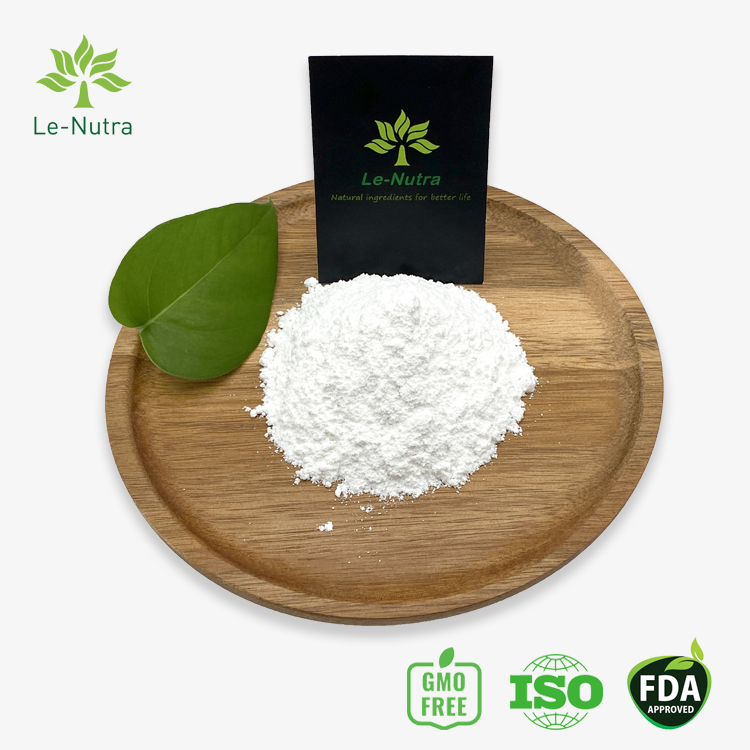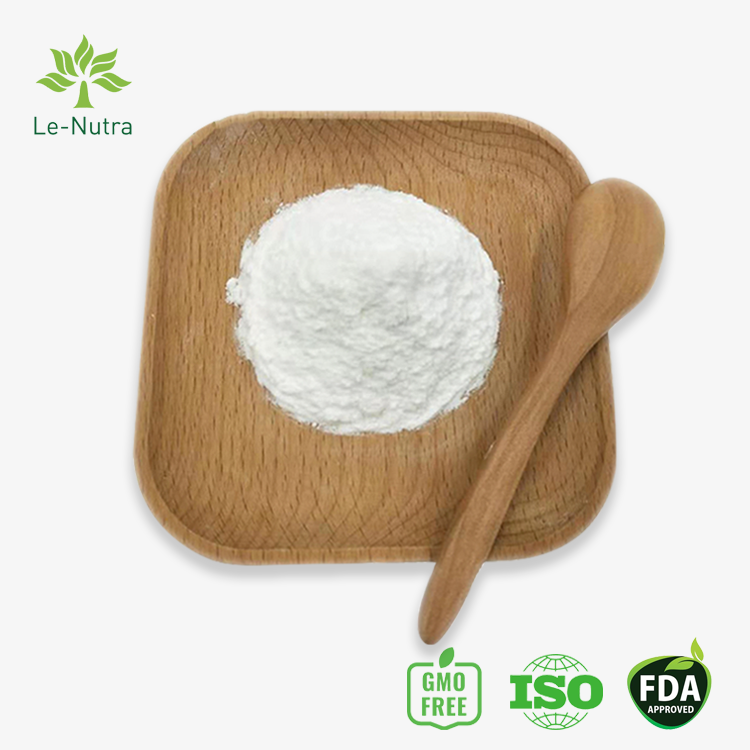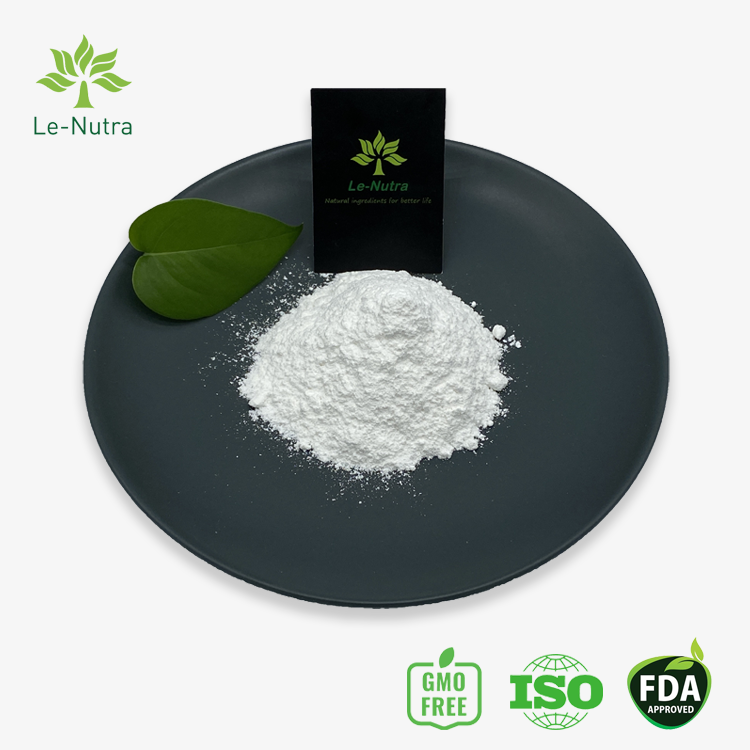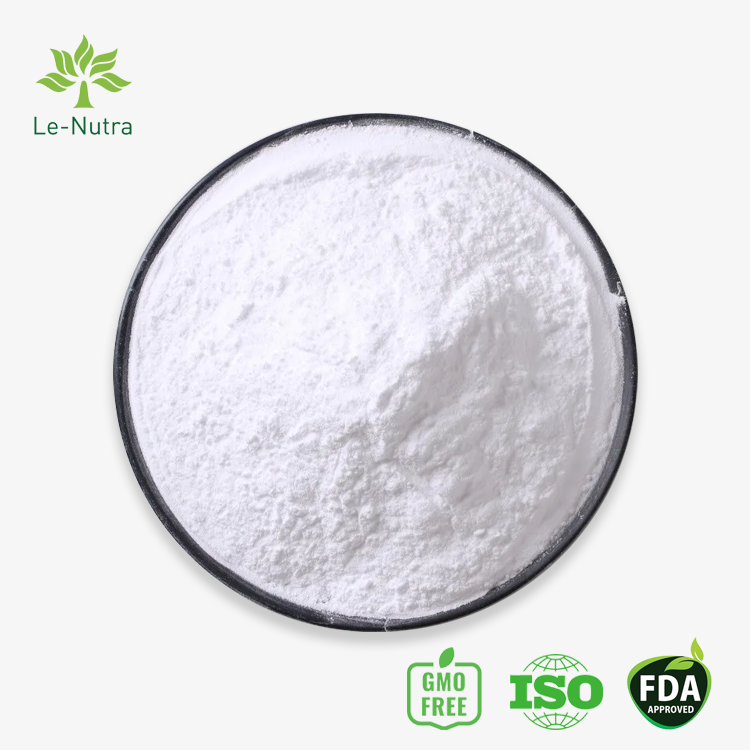
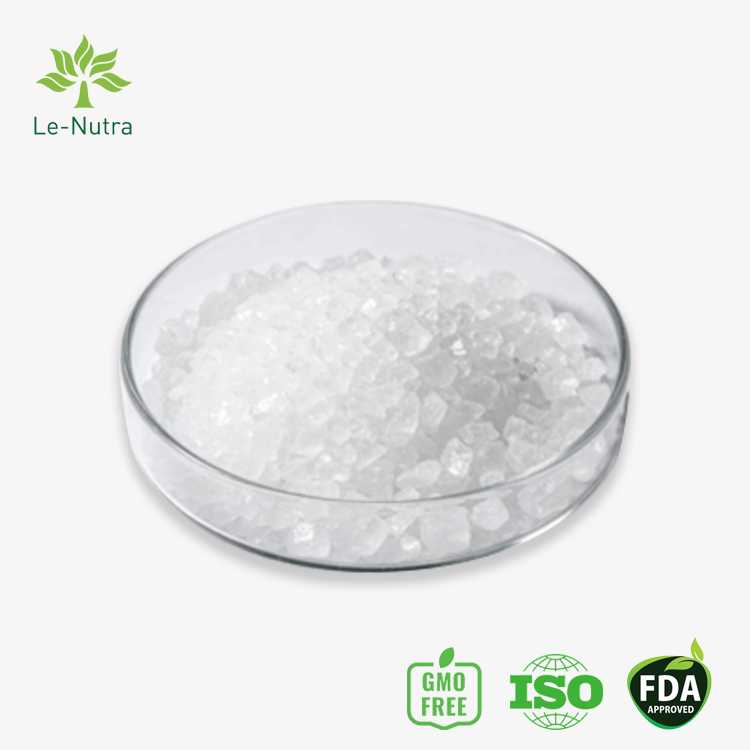
Urea Pharma Grade Powder
Description

Urea Pharma Grade Powder – USP/EP Compliant API and Excipient for Pharmaceutical Formulations
Xi'an Le-Nutra Ingredients Inc. manufactures high purity Urea Pharma Grade Powder which is formulated according to GMP standards and meets USP, EP, BP and JP pharmacopeial requirements. Our product is guarantyd to have a purity level of ≥99.5% and a controlled biuret content of ≤0.1%. Heavy metals ≤20 ppm and microbiological testing (total plate count ≤1000 cfu/g, yeast & mould ≤100 cfu/g) This pharmaceutical grade carbamide is widely utilised as an active ingredient as well as an excipient in dermatological preparations, ophthalmic preparations, parenteral preparations, diagnostic reagents and dialysis fluids. Our factory of 60,000㎡ has the yearly production capacity of 3,000 tonnes. We have over 14 years' experience with natural and functional ingredients, ensuring constant quality, flexible customisation and reliable global supply.
What Is Urea Pharma Grade Powder?
It is a highly refined crystalline material, prepared under careful controls to meet the rigorous standards of the international pharmacopoeias. Our pharmaceutical grade urea is of a very high level of chemical purity (>99.5%) and very low levels of contaminants, unlike technical or fertiliser grade urea.
API and excipient in pharma industry. Active Pharmaceutical Ingredient (API) It covers important issues in the industry such as the batch-to-batch variation of topical treatments, instability of protein denaturation techniques and contamination risks of diagnostic reagents. This makes it the ideal choice for applications demanding high biocompatibility and precise chemical performance.
Technical Specifications
| Parameter | Specification |
|---|---|
| CAS Number | 57-13-6 |
| Molecular Formula | CH₄N₂O |
| Molecular Weight | 60.06 |
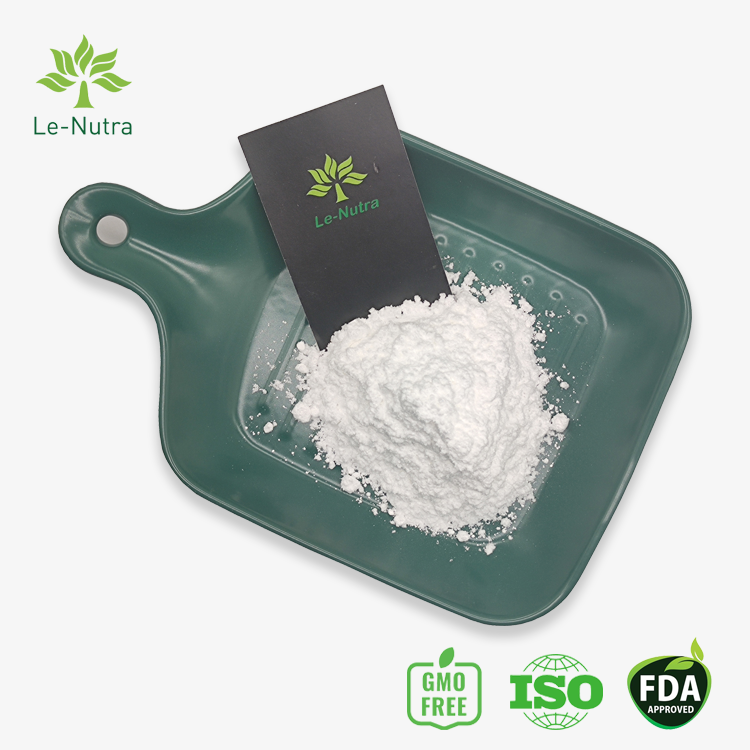
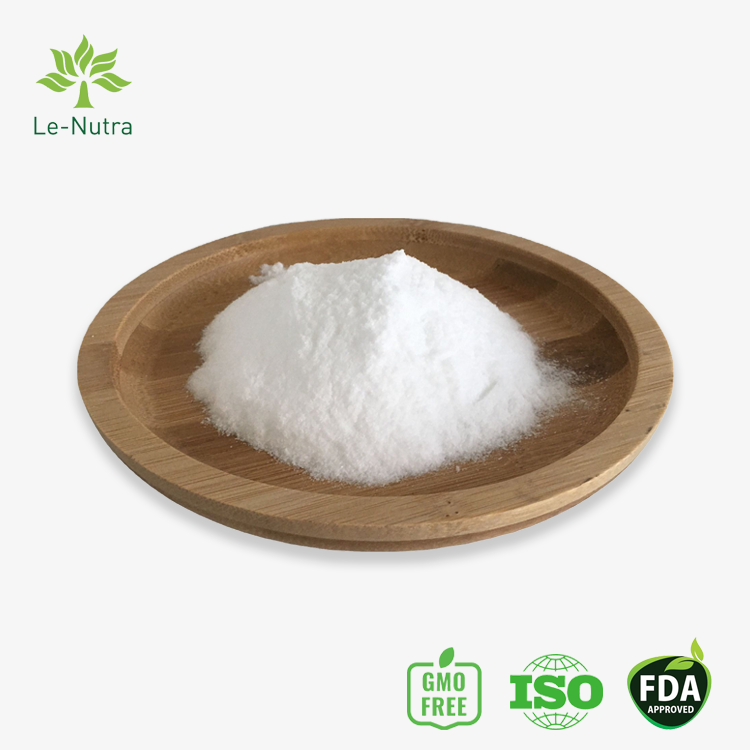
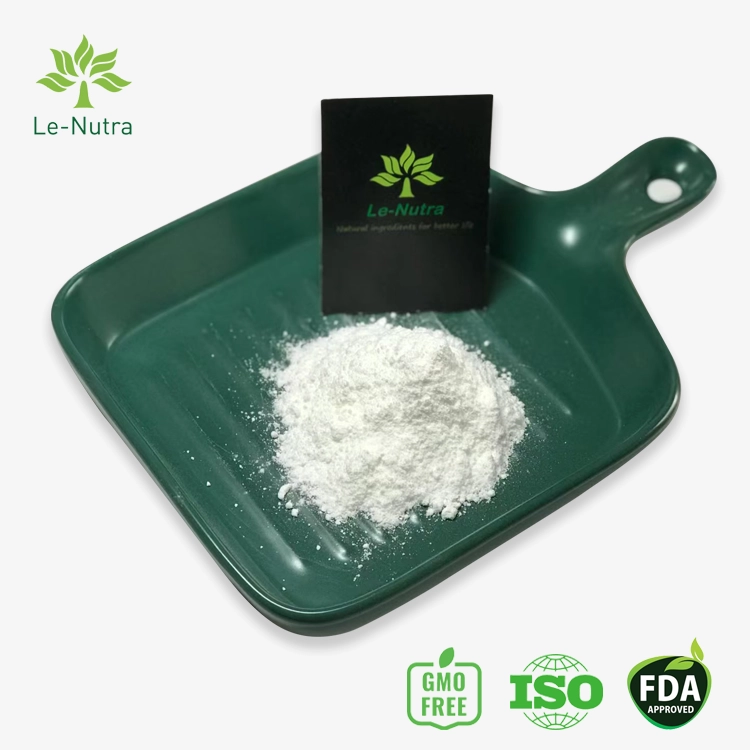
| Appearance | White crystalline powder |
| Assay (Purity) | ≥99.5% |
| Melting Point | 132–135°C |
| Loss on Drying | ≤0.5% |
| Residue on Ignition | ≤0.1% |
| Heavy Metals | ≤20 ppm |
| Chloride (Cl⁻) | ≤0.003% |
| Sulfate (SO₄²⁻) | ≤0.01% |
| Biuret | ≤0.1% |
| Total Impurities | ≤2.0% |
| pH (10% solution) | 7.0–8.0 |
| Solubility | Freely soluble in water (1080 g/L at 20°C), soluble in ethanol |
| Microbial Limits | Total plate count ≤1000 cfu/g; Yeast & Mold ≤100 cfu/g |
Key Functional Advantages
Our pharmaceutical grade carbamide offers technological advantages for various applications:
Keratolytic Action: Used in dermatological preparations to increase the permeability of the skin and therapeutic efficacy in the treatment of hyperkeratotic illnesses such as psoriasis, ichthyosis and eczema by softening and removing excess keratin.
Hydrating Effects: Acts as a humectant by attracting and holding water in the stratum corneum, thus enhancing the hydration of the skin. Concentration: 10-40% in topical lotions and ointments.
Osmotic Activity: It is an osmotic diuretic and penetration enhancer in ophthalmic and parenteral formulations for reduction of intra-ocular pressure and enhancement of medicine transport across biologic membranes.
Protein Denaturation: It acts as a chaotropic agent to solubilise inclusion bodies and refold proteins during biopharmaceutical processing. It helps in the creation of recombinant proteins and allows for the high-yield recovery of functional biomolecules.
Pharmaceutical Applications
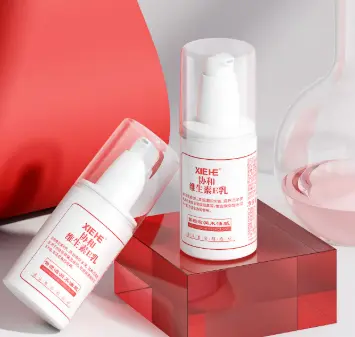
Topical Dermatological Preparations: The product is available in the form of urea ointments (10%–20%), urea and vitamin E creams, and transdermal patches for the treatment of dry skin diseases, calluses and hyperkeratosis. The product is good in purity and there is a steady performance with no pain.
Ophthalmic and Injectable Solutions: Urea Pharma Grade Powder is utilised in urea injections (30%) and compound mannitol-Urea injections for control of rise of intraocular and intracranial pressures. It is low endotoxin level and suitable for parenteral delivery.
Diagnostic Reagents: It is the essential substrate for 13C-urea breath tests for the non-invasive diagnosis of Helicobacter pylori. The diagnostic result and the safety of the patients require the analytical purity of this reagent.
Dialysis Solutions & Excipients: Used as a lyoprotectant and osmotic pressure regulator in oral and injectable preparations, for the maintenance of protein integrity during freeze-drying processes and for the maintenance of isotonicity in parenteral fluids.
Quality Control and Compliance
Every batch is subjected to rigorous analytical testing to ensure safety and compliance with regulations. Our QC approach comprises identification by IR spectroscopy, quantitative purity determination by titration or HPLC, biuret content, testing for heavy metals and arsenic by ICP-MS, bacterial endotoxin test (BET) and loss on drying.
All goods offered are with full Certificate of Analysis (CoA), Technical Data Sheet (TDS), Material Safety Data Sheet (MSDS), Drug Master File (DMF) and ISO certification. We meet the ICH Q7 standards for active medicinal substances and have complete batch traceability.

Industrial-Grade vs. Pharmaceutical-Grade: Critical Differences
Pharmaceutical grade urea vs. industrial grade urea – What's the difference? is a question many procurement professionals ask. It’s in the quality specs and production norms.
Pharmaceutical grade urea is produced to cGMP standards with a purity of ≥99.5%, biuret content of ≤0.1%, heavy metals of ≤20 ppm and thorough endotoxin and microbiological testing. Such rigorous standards guarantee the biocompatibility for human use.
Industrial grade urea is used mostly in fertiliser and as a basic ingredient in industry . Impurity control is relaxed and no microbiological test is necessary. It is not suitable for medicinal application and is even injurious.

Packaging, Storage, and Shelf Life
We have a variety of flexible packaging options to suit different size operations. Standard Packaging: 25kg fibre drums lined with double layer food grade polyethylene bags. Smaller quantities of 1 kg, 5 kg and 10 kg are available for research and development purposes.
Keep in sealed containers in cool, dry and well-ventilated conditions at 2-25°C, protected from moisture to avoid caking and chemical degradation. The product is stable for 24-36 months when stored under prescribed conditions.
FAQ
Q: What are the main benefits of your pharmaceutical-grade urea?
A: Our product has three main benefits; High purity (≥99.5%), very low endotoxins levels suitable for injectable and ophthalmic preparations and compatibility with a wide range of dosage forms including topical creams, ophthalmic solutions, injectables, oral solid dosage forms and dialysis fluids.
Q: What are the common pharmacological applications of urea?
A: Typical uses are in topical dermatological preparations such as urea ointment (10%–20%), urea and vitamin E cream, and urea patches, ophthalmic injections such as urea injection (30%) and compound mannitol-urea injection, and as an excipient in oral and injectable preparations acting as a lyoprotectant and osmotic pressure regulator.
Q: How does pharmaceutical-grade urea differ from industrial-grade urea?
A: Pharmaceutical-grade urea is made in compliance with cGMP conditions and USP/EP pharmacopeial specifications (purity ≥99.5%, biuret ≤0.1%, heavy metals ≤20 ppm, full endotoxin and microbiological testing). Urea of industrial grade is mainly used for fertilisers and industrial raw material and the control of impurities is relatively low, therefore it cannot be utilised for pharmaceutical manufacture.

Contact Us for Professional Supply Solutions
Looking for a reliable pharmaceutical raw material partner with Urea Pharma Grade Powder? Contact us at enquiry@lenutra.com for product inquiries, technical specifications, samples, or custom formulation development.
Online Message
YOU MAY LIKE
High-quality Botanical Extracts, Functional Ingredients, And Nutraceutical Raw Materials Manufacturer And Supplier