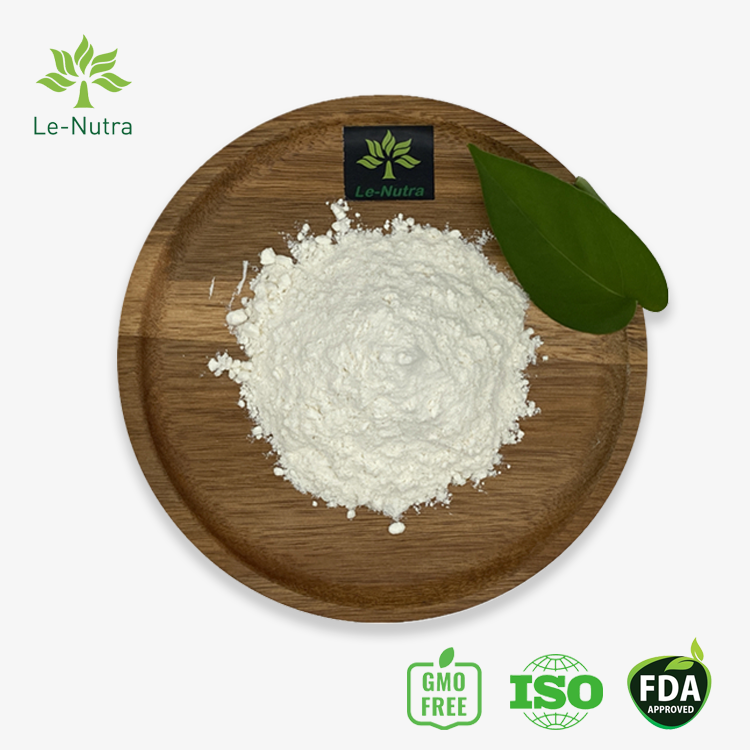
Ascorbyl Glucoside Aa2G
Description
Ascorbyl Glucoside Aa2G Powder – Premium Stable Vitamin C Derivative for Professional Whitening and Anti-Aging Skincare Solutions
Xi'an Le-Nutra Ingredients Inc offers Ascorbyl Glucoside Aa2G, pharmaceutical grade, ≥98.0% HPLC, from our GMP certified 60,000㎡ production base, which has an annual capacity of 3,000 tonnes. This high-tech vitamin C derivative is stable at pH 5.0-7.0, resists oxidation and discolouration during 24-month shelf life and provides long-lasting brightening effects without the irritation of pure L-ascorbic acid. We are factory direct and fully supported by COA, TDS, Halal, Kosher and ISO certificates. Our prices are competitive and we have a 98% on time delivery rate to cosmetic manufacturers globally.
What Is Ascorbyl Glucoside Aa2G and Why It Solves Critical Formulation Challenges?
The result (CAS 129499-78-1) is a vitamin C derivative prepared by bio-enzymatic synthesis, where one glucose molecule is bonded to the C2 hydroxyl group of L-ascorbic acid. This chemical modification solves the most persistent problem of the cosmetic industry: the quick oxidation, pH sensitivity and brownish discolouration of pure vitamin C in aqueous formulations.
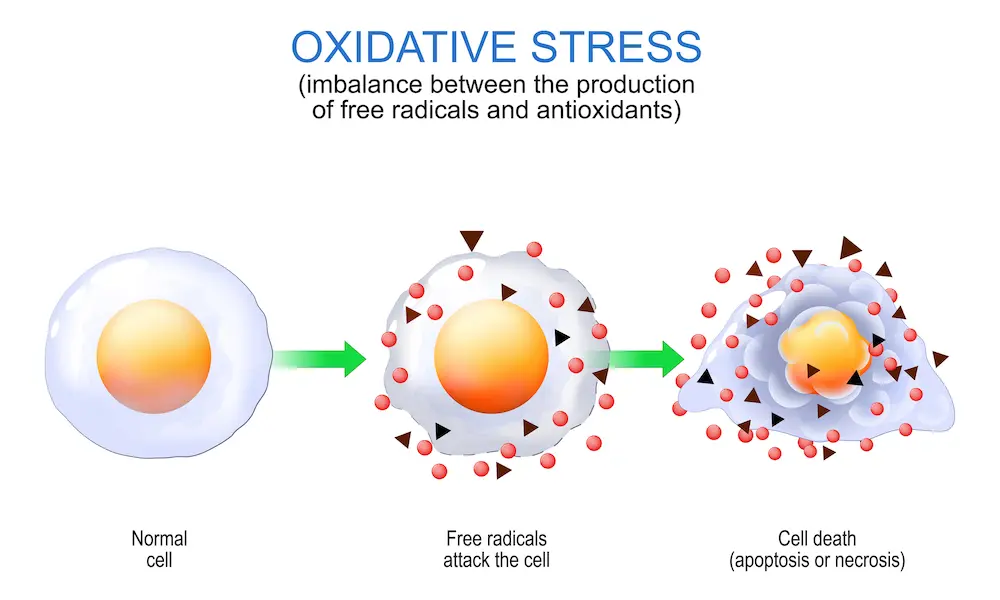
This glucoside derivative is not prone to colour change under accelerated stability tests at elevated temperatures, as unstable ascorbic acid is, which must be refrigerated and placed in opaque packaging. Your skin contains a natural enzyme called alpha-glucosidase. When used as a topical, this enzyme progressively cleaves the connection between glucose and vitamin C, releasing bio-active vitamin C directly into the epidermal cells.
This slow-release technique provides three demonstrable benefits: reduced surface irritation commonly associated with high acid concentrations, increased longevity of active ingredients in final goods, and therapeutic effectiveness maintained during normal distribution cycles. This is the ultimate answer for cosmetic formulators who are trying to balance efficacy with shelf stability.
Technical Specifications and Quality Parameters
| Parameter | Specification |
|---|---|
| Product Name | Ascorbyl Glucoside (AA2G) |
| CAS Number | 129499-78-1 |
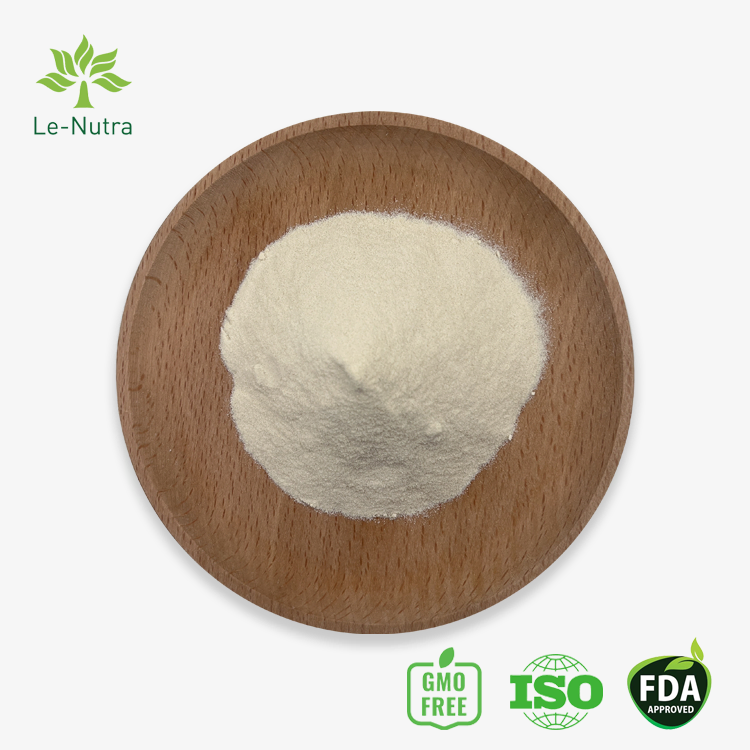
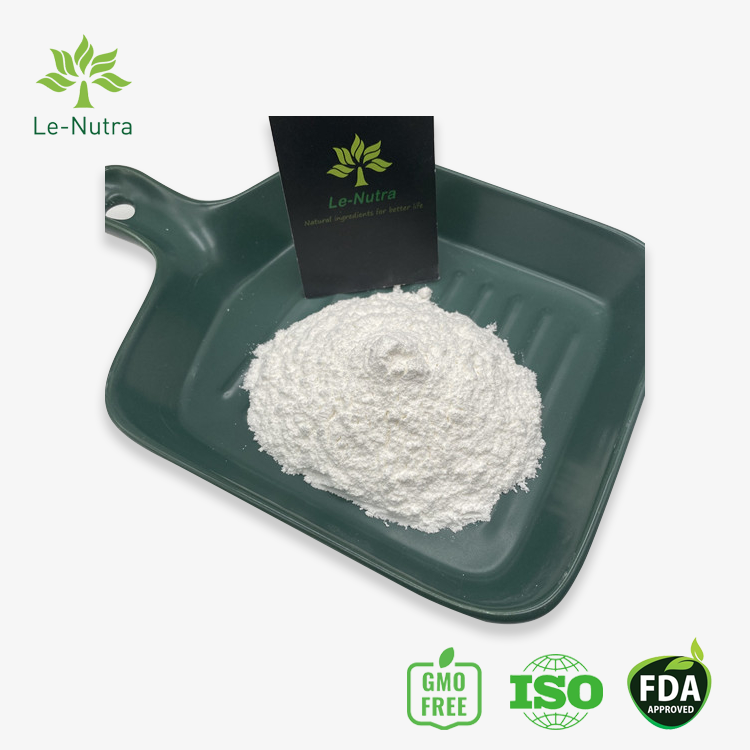
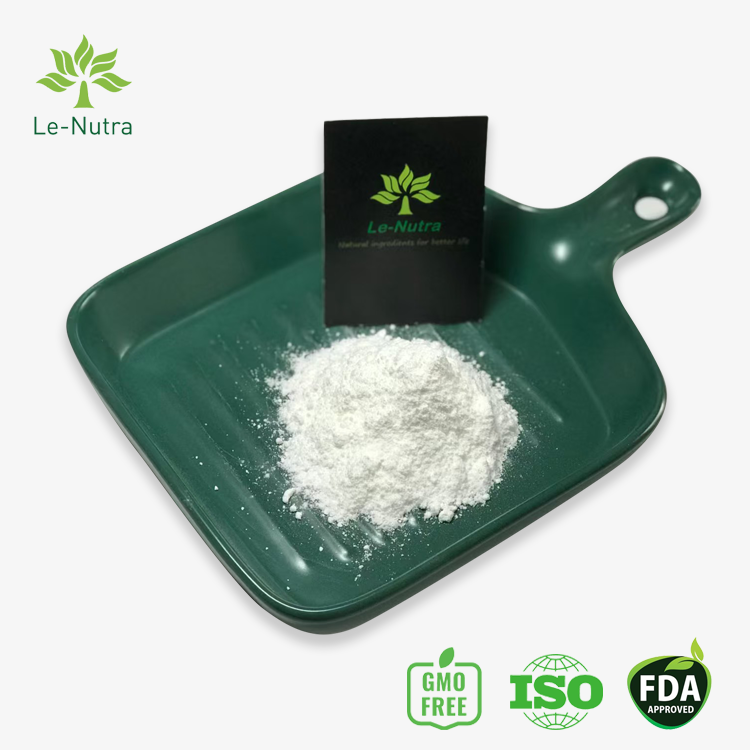
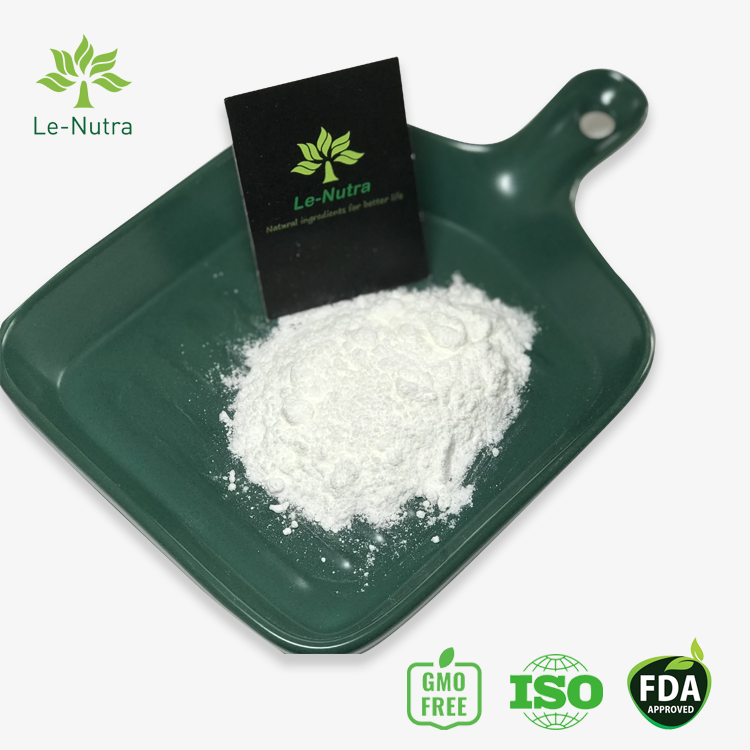
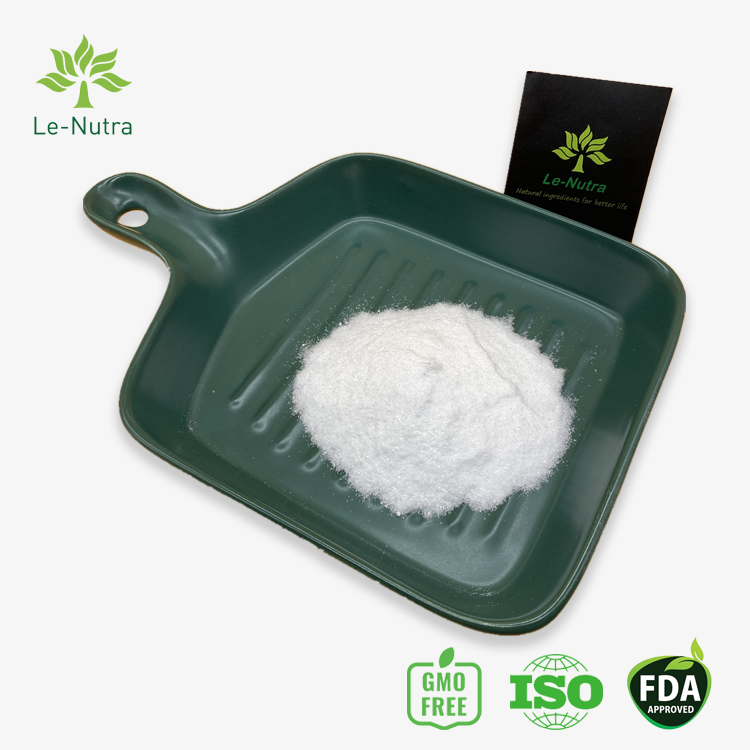
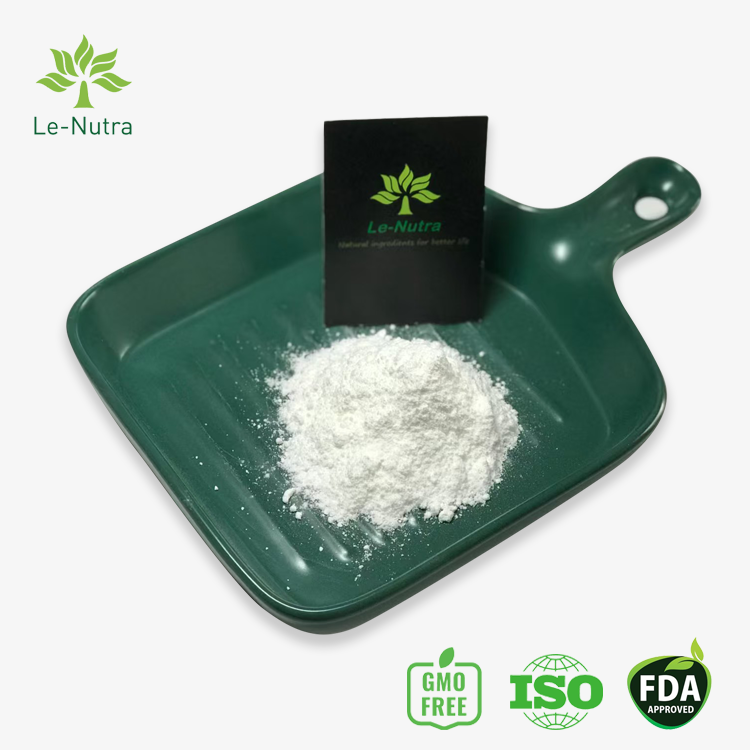
| Appearance | White to off-white crystalline powder |
| Assay | ≥98.0% (HPLC) |
| Loss on Drying | ≤0.5% |
| Melting Point | 158-162℃ |
| pH (1% solution) | 5.0–7.0 |
| Molecular Weight | 338.29 g/mol |
| Heavy Metals | ≤10 ppm |
| Lead | ≤2 ppm |
| Arsenic | ≤2 ppm |
| Total Plate Count | ≤100 CFU/g |
| E. Coli | Negative |
| Salmonella | Negative |
| Storage Conditions | Sealed, cool, dry, dark place |
| Shelf Life | 24 months |
Core Functional Benefits for Advanced Skincare Formulations
 Adding this stable derivative gives your compositions several medicinal benefits. The main benefit is melanin inhibition: Ascorbyl Glucoside Aa2G inhibits tyrosinase activity at the enzymatic level, leading to decreased hyperpigmentation and visible reduction of age spots over time.
It also neutralises free radicals created by UV exposure and environmental toxins, safeguarding cell integrity and avoiding premature collagen breakdown. Clinical data shows considerable improvements in production of Type I & III collagen with enhanced skin firmness and reduction in depth of fine lines.
The molecule is mild, which makes it very useful in skin-care products for sensitive skin. Unlike acidic vitamin C solutions that can provide a stinging sensation, this derivative works best at near-neutral pH ranges that are consistent with the skin's natural barrier function. Thus, you can produce high-performance whitening serums for everyday use without the need for tolerance-building techniques.
Primary Application Scenarios Across Product Categories
Professional formulators use this substance in three main areas of skincare. At or above 2.0% concentration, clinically proven lightening effects can be achieved for targeted brightening treatments, making them a key ingredient in spot-correcting serums and hyperpigmentation therapies marketed to ageing demographics.
The second significant application area is daily skin protection. Its excellent photostability allows its incorporation in sunscreen formulas and daytime moisturisers where oxidative stress induced by UV radiation needs constant antioxidant protection. Unlike pure ascorbic acid, which breaks down when exposed to light, this derivative is potent during the entire period of product use.
The third category is anti-aging systems, where the collagen-boosting qualities accompany retinoids, peptides and growth factors in comprehensive rejuvenation treatments. The substance is compatible with niacinamide, hyaluronic acid and botanical extracts, allowing for complex multi-active formulations without pH conflicts or compound antagonism.
Why Our Manufacturing Process Ensures Superior Product Quality?
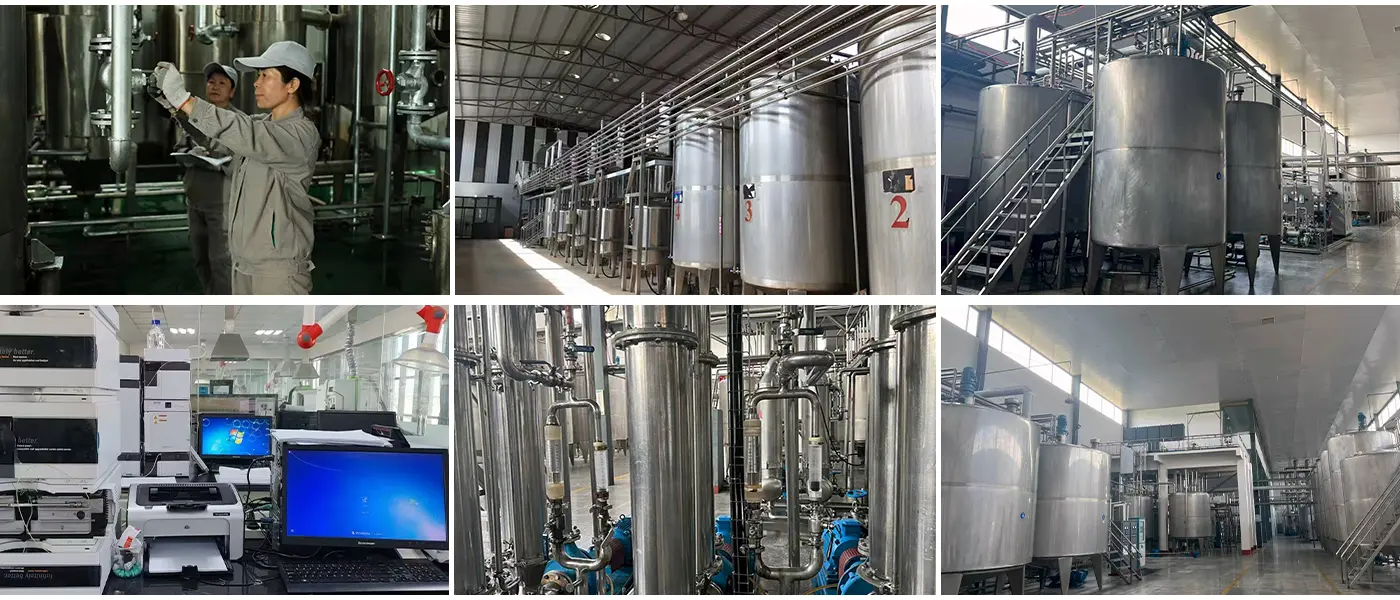
We are a vertically integrated manufacturing system. We manage all the quality parameters from synthesis to final packaging. The choice of raw materials is governed by rigorous supplier qualification procedures to guarantee that the glucose and ascorbic acid precursors employed are of pharmaceutical grade and conform to global purity benchmarks.
Temperature-controlled reactors with constant monitoring carry out the enzymatic glycosylation process, allowing for reliable molecular bonding with minimal free ascorbic acid residue (≤0.1%). The characteristic white crystalline powder is obtained by multi-step purification involving crystallisation, filtering and vacuum drying and is verified to have an assay of 98.0%.
Every batch is tested with a complete panel of analytics including quantification by HPLC to ensure the active content, screening by ICP-MS to check for heavy metals contamination and microbiological cultures to ensure there are no pathogens in the material. All shipments include complete paperwork including Certificate of Analysis, Technical Data Sheet and Material Safety Data Sheet to support your regulatory filing needs in global markets.
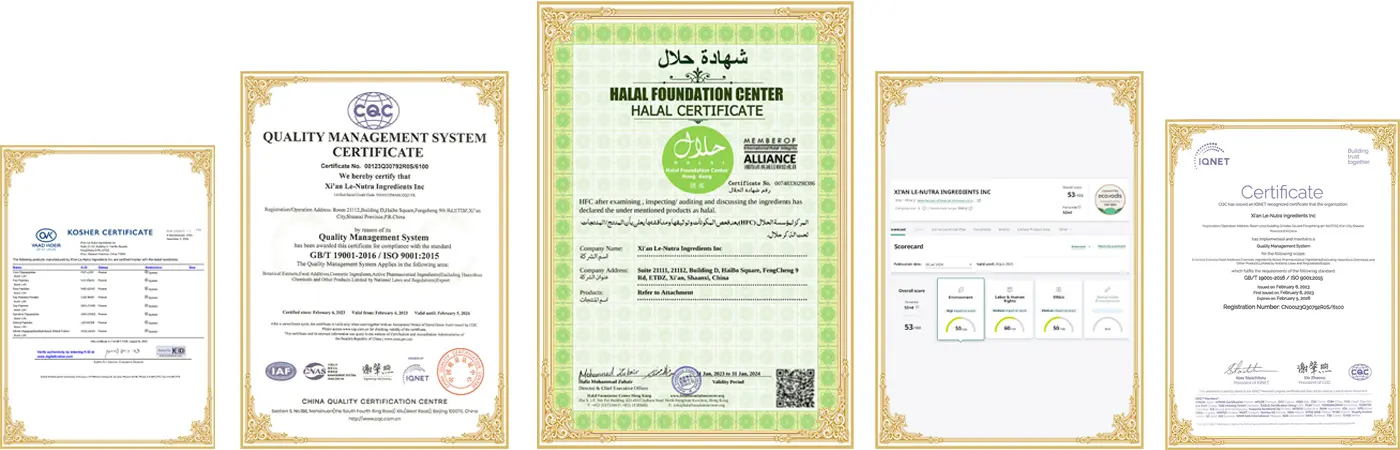
Our GMP Certified plant runs under ISO 9001 quality management systems with complete batch traceability. We hold more than 30 days of safety stock to provide a smooth supply chain. Our 3,000 tonne per year capability supports small scale trials as well as large commercial contracts with the same quality requirements.
Formulation Compatibility and Technical Recommendations
In product development, target a pH range of 5.0 to 7.0 for optimal stability. This range avoids premature hydrolysis and is compatible with skin barrier. Buffer systems made from sodium citrate or phosphate salts are used to stabilise aqueous solutions during production and storage.
The substance is well matched with actives it is often combined with. It can be safely used with niacinamide for a potent brightening synergy, hyaluronic acid for hydration, and botanical extracts with no risk of precipitation or discolouration. This derivative makes formulation procedures easier than with pure vitamin C which calls for precise sequencing to avoid pH conflicts.
The 2.0% inclusion rate is supported by industry norms and clinical research as the efficacy level for verification of whitening claims. Higher concentrations up to 5.0% may offer faster results without the danger of discomfort. But the final specifications should be determined based on desired market positioning and a cost-benefit analysis.
Standard protocols indicate that the powder is incorporated in the water phase. This phase is less than 40℃ to avoid thermal damage. The chemical rapidly dissolves in aqueous systems, resulting in crystal clear solutions perfect for translucent gels, essences and lightweight lotions, where visual clarity conveys superior quality to the consumer.
Packaging and Global Delivery Solutions
Standard packaging is 25 kg fibre drums with double layer food grade polyethylene liner bags to prevent the contents from moisture incursion and contamination during international shipping. This setup is suitable for most commercial scale manufacturing processes and maintains product integrity through diverse climate zones.
We can provide EXW, FOB, CFR, CIF, DAP and DDP delivery terms to meet your logistics preferences and import capacities. Payment term T/T bank transfer, Western Union, PayPal, Alibaba Trade Assurance for transaction security.
Our experienced logistical connections with major freight forwarders enable us to provide reliable sea, air and express courier services to North America, Europe, Southeast Asia and emerging markets. Average lead time is 7-15 days for air freight and 25-35 days for ocean freight. We enable real-time tracking during transit.
FAQ
Q: Why should formulators use this derivative instead of pure vitamin C?
A: The glucose link gives chemical stability to oxidation, and removes the stinging and redness associated with low pH ascorbic acid solutions. Your items are shelf stable for their shelf life without requiring refrigeration or light protective packaging which means less logistical complexity and less consumer storage concerns.
Q: How much whitening does it take to see results?
A: Clinical studies show meaningful melanin reduction at 2.0% inclusion levels with twice daily application for eight weeks. This level is the industry standard for approved brightness claims in regulatory markets that require substantiation data.
Q: Is the substance responsible for the product yellowing during storage?
A: No, not at all. Specifically, the product does not decompose to yellow-brown degradation products as pure vitamin C does, even under accelerated stability settings (40°C/75% RH for 12 weeks), thus your formulations stay visually appealing throughout the commercial life.
Q: What should I consider about pH during formulation development?
A: Aim for pH 5.0 – 7.0 with suitable buffer systems. This series is a compromise between ingredient stability and skin compatibility. Do not utilise very acidic circumstances (pH <4.0) which can cause premature hydrolysis or very alkaline conditions (pH >8.0) which impair the effectiveness of biological conversion.
Q: Can it be combined with other active ingredients?
A: Yeah. The near-neutral pH requirement makes it very compatible with niacinamide, peptides, hyaluronic acid and most plant extracts. Unlike acidic vitamin C forms that destabilize retinol or cause niacinamide flushing, this derivative enables advanced multi-active compositions without ingredient antagonism.
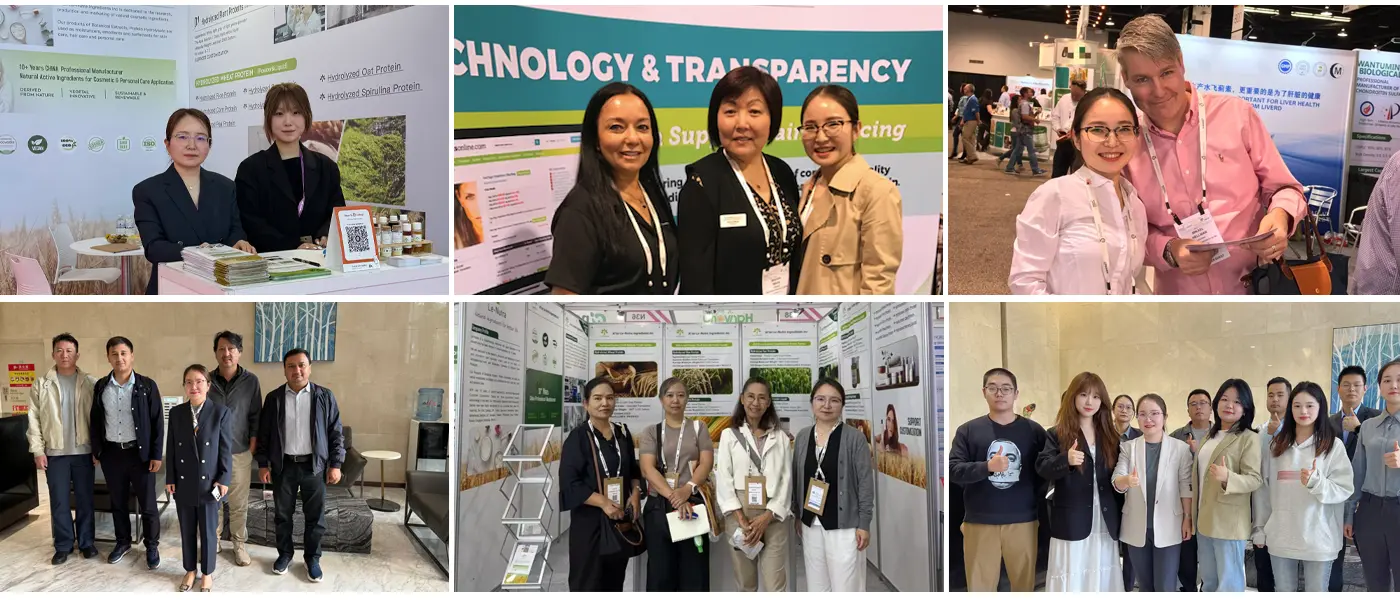
Partner With a Trusted Ingredients Manufacturer
Ready to elevate your skincare formulations with pharmaceutical-grade Ascorbyl Glucoside Aa2G? Contact us today at enquiry@lenutra.com to discuss your specific requirements.
Online Message
YOU MAY LIKE
High-quality Botanical Extracts, Functional Ingredients, And Nutraceutical Raw Materials Manufacturer And Supplier