Oct 29, 2026
Berberine Hydrochloride powder: From Botanical Source to Ingredient
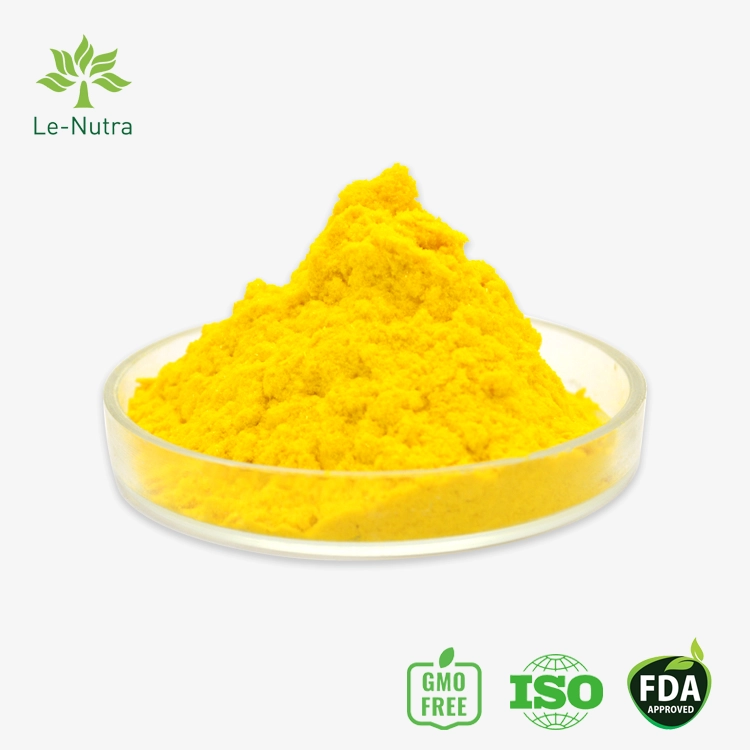
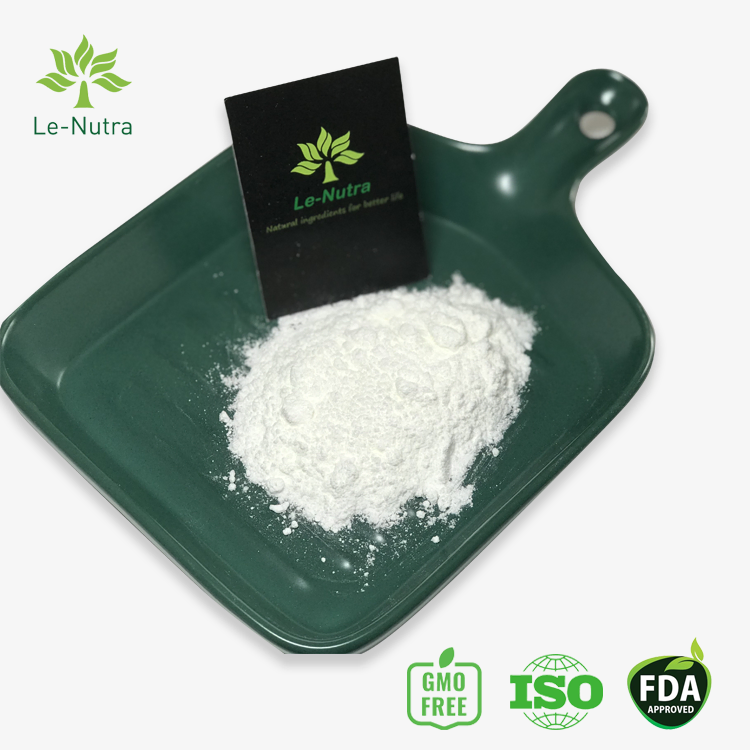
Berberine hydrochloride powder (CAS 633-65-8) is a bright yellow crystalline isoquinoline alkaloid extracted from the roots and bark of Coptis chinensis and Phellodendron chinense. 98% or 99% HPLC purified, it offers constant bioactivity for metabolic health supplements, gut care formulations, feed additives and anti-inflammatory cosmetic bases. It’s one of the only natural substances with a developing clinical evidence base behind its glucose- and lipid-regulating benefits for procurement teams obtaining botanically derived actives.
Understanding Berberine Hydrochloride Powder: Botanical Source and Scientific Profile
Where the Alkaloid Comes From?
It is made from the principal plants, Coptis chinensis (goldthread) and Phellodendron chinense (phellodendron wood). These were both sites where traditional plant remedies were made many years ago. They also are the greatest sources to get plenty of pharmaceutical-grade berberine hydrochloride powder. Roots and bark are collected and combined with a liquid. The mixture is then crystallized and purified, giving a brilliant yellow powder with well-defined molecular characteristics (molecular formula: C₂₀H₁₈ClNO₄).Molecular Mechanism and Metabolic Relevance
AMP-activated protein kinase (AMPK) is an important enzyme that controls the production of energy. Berberine sets AMPK off in cells. People who make medicines to lower cholesterol and blood sugar can use this process directly. It has been shown in scholarly journals to lower LDL cholesterol and blood sugar levels when you wake up. With this in mind, the market for high-purity berberine hydrochloride powder in North America has been slowly rising.

Clinical Evidence Supporting B2B Demand
A review published in 2012 in the Journal of Ethnopharmacology looked at 14 controlled studies and found that berberine reduced HbA1c, fasting glucose, and triglycerides in a way that was useful for patients. People who buy things should pay attention to this body of evidence because it sets berberine hydrochloride powder apart from many botanical actives that don't have peer-reviewed support. This helps label claims stand up in the U.S. market under DSHEA.
Comparing Berberine Hydrochloride Powder with Alternative Forms and Supplements
Hydrochloride vs. Sulfate Form
Berberine sulfate is another term for berberine hydrochloride, however it is also called berberine. If you are using solid dose forms the hydrochloride salt version is more stable. And it stays longer in a regular warehouse and it’s more consistent from batch to batch. The hydrochloride form is the greatest approach to ensure sure medication works for 24 months when it’s incorporated into pills or tablets, OEM manufacturers find.
Powder vs. Extract vs. Capsule for B2B Buyers
When formulators buy berberine 97 powder in bulk, they have full control over the amount used, the size of the particles, and the mixing ratios. Most of the time, extracts are not as pure and have different amounts of alkaloids. When OEMs use pre-made packages, they can't be as flexible, and each unit costs more. To make sure that the claims on the label are always true, procurement teams need to buy berberine hydrochloride powder in bulk that is 98% or 99% pure and has been tested by HPLC.
Positioning Against Metformin as a Reference Point
A lot of clinical evidence shows that metformin and berberine can work together to turn on AMPK. But in the US, berberine hydrochloride powder is not a drug because of the DSHEA. It is instead a part of a dietary supplement. It is important for procurement compliance teams to understand this difference because US buyers can get it as a nutritional ingredient without first getting FDA approval, as long as the finished product meets 21 CFR Part 111 cGMP standards and the label claims don't break the law.
Quality Assurance, Safety, and Dosage Guidelines for Industrial Use
Purity, Impurity Profile, and HPLC Testing
Most people who want to buy berberine hydrochloride powder are interested in two pure grades: 99% and 98%. Both of these grades have been checked by HPLC. The HPLC method not only confirms the test, but it also shows that common alkaloid contaminants like jatrorrhizine and palmatine are not present. Bid teams should ask for both the chromatogram and the full impurity profile along with every Certificate of Analysis. When you enter, these two papers are the most important parts of the quality check.
Heavy Metals, Microbial Limits, and Regulatory Markers
You can really tell the difference between sources when you have contaminant data. The berberine hydrochloride powder should have No. of ppm of lead below 0.5 ppm, No. of ppm of as little as 1 ppm, No. of ppm of copper below 1 ppm, and No. of ppm of mercury below 0.1 ppm. This whole list should be checked by ICP-MS. The TPC level should be less than 250 CFU/g, and tests for yeast, mold, E. coli, and salmonella should all come back negative. These numbers are good enough for the U.S. market and California's Proposition 65.
Regulatory Scope and Market-Specific Compliance
In the United States, berberine hydrochloride powder is regulated by DSHEA for its usage in food additives. Pre-market clearance is not required, however the product must comply with the regulations in 21 CFR Part 111 cGMP. Europe is a tougher place. In France, ANSES authorizes the use of isoquinoline alkaloids as a medication at a dosage of 400 mg/day. In Belgium, food items are allowed to contain just 10 mg/day of isoquinoline alkaloids. Botanical combinations containing berberine are now being evaluated by the European Food Safety Authority (EFSA). The findings should be out there in 2026. At EU level no health claims may be made. Buyers wishing to sell in Europe should get regulatory clearance for each nation they intend to sell to prior to committing to a formulation.
Procurement Insights: Buying Berberine Hydrochloride Powder in Bulk
Authenticating Purity Before You Commit
The standard procurement cycle for berberine hydrochloride powder runs 3 to 8 months: sample request and purity verification (4 to 8 weeks), regulatory review, a trial order of 25 to 100 kg, then rolling purchase orders. When buyers get samples, they should do their own HPLC analysis on them using a certified standard. More and more, C14 radiocarbon testing is being used to prove that an ingredient comes from a plant and rule out manufactured versions. Since ethanol is the standard extraction solvent, GC testing of the residual solvent should show that the ethanol levels are within the ICH Q3C limits.
Packaging and Storage Requirements That Protect Your Investment
Berberine hydrochloride powder is light sensitive. Discoloration and a substantial loss of efficacy will occur with prolonged exposure to direct or UV light. The usual commercial package is a 25 kilogram light-proof fiber drum packed with double layer food-grade polyethylene bags. When stored in a cold dry dark warehouse the product will be within specification for 24 months in the original sealed package. Buyers should confirm that the packaging of their supplier is up to this quality, especially if they want to place a trial order for lengthy ocean freight routes.
Logistics, MOQ, and Pricing Considerations
Here are the key logistics factors procurement managers typically assess before finalizing a supplier agreement:
- Delivery terms: Buyers can choose from EXW, FOB, CFR, CIF, DAP, and DDP, so they can find a deal that works best for their import infrastructure and landed-cost model.
- There are several ways to pay: Western Union, 100% T/T, and Alibaba Trade Assurance. This gives buyers options based on the size of their order and the stage of their relationship.
- MOQ flexibility: Pilot batch sizes starting at 25 kg let formulation teams do stability tests and HPLC re-testing before committing to full production numbers.
These logistics parameters, combined with third-party COA verification, give procurement teams a practical framework for supplier evaluation without overextending capital in the early qualification stages.
Leading Brands and Trusted Suppliers of Berberine Hydrochloride Powder
What Separates a Strong Supplier from an Average One
You can be sure that the berberine hydrochloride powder you buy comes from a GMP- and ISO-certified plant. At these plants, you can keep track of each batch from the time the raw herbs are brought until the drums are stamped with the finished product. They give you COA, TDS, MSDS, and MOA for each batch, so you don't have to keep checking in. They don't mind if someone else comes in and looks at their HPLC tools. Also, you should look at the number of items produced each year. When the market is busy, suppliers who can only make 500 tons of nutraceuticals a year might not be able to meet the needs of everyone.
Supply Consistency and Technical Support
A trustworthy supplier should also be able to provide at least 30 days worth of stock, be honest about lead times and have a team of specialists on hand to address queries on solubility data and formulation compatibility for further piece of mind. Berberine hydrochloride powder is most soluble in hot water and ethanol, but less soluble in cold water. This is something formulators need to know when producing liquids.” The TDS should provide figures concerning the solubility. If a vendor can’t offer you these data when you ask for them before signing a contract, ask the seller why.
Building a Durable Supply Relationship
If you want to operate with a supplier of botanical extract for a long time, then you should establish high standards jointly from the very beginning. If the procurement team is buying $1 million to $10 million a year, anticipate them to ask for the impurity chromatogram, in addition to the regular COA, to set up a facility inspection before the first major order and agree how to re-test items that come in. You should downgrade a provider if they don’t want to do what you desire.
Conclusion
One of the natural ingredients in metabolic health products with the most research is berberine 97. It has been used in a lot of different things, like makeup, feed additives, and nutraceuticals. There are also high-purity types that have been tested and found to be 98% to 99% pure. This makes it a good choice for buying teams that want to make supplement lines that stand out. There are a set of steps to buying: sample, check, trial, and scale. It's also easy to see what quality signs to look for: pure grade, impurity profile, heavy metals, microbial limits, and package integrity. People who buy things can be more sure of the quality of the final product if they check it out first.
FAQ
1. What is the difference between berberine hydrochloride and berberine sulfate?
If you produce tablets out of hydrochloride salt it will be more stable and the batches will be more consistent than if you make tablets out of sulfate salt. who’s why most supplement companies who create pills or tablets favor the hydrochloride version.
2. How do I verify that berberine hydrochloride powder is naturally derived?
Ask the seller to show you proof that they've checked for C14 radiocarbon. This test can tell the difference between lab-made berberine and berberine that comes from plants. An honest seller should be able to give you this information along with the standard COA.
3. Is berberine hydrochloride powder soluble in cold water?
No, cold water doesn't break it down very well. When working with cold drinks or liquids, it's usually necessary to micronize or add solubilizers. Because it breaks down in hot water and ethanol, most capsules, tablets, and creams can be made with it.
4. What certifications should I look for when sourcing in bulk?
The first things you should look for are FDA registration, ISO certification, GMP compliance, and Kosher approval. For each batch, there should be a COA, TDS, MSDS, and MOA. Everything on this list works together to make it easier to get through customs and file paperwork with the government later on.
5. Does berberine hydrochloride powder meet USP or EP pharmacopeial standards?
People who need USP or EP pharmacopeial compliance for medicinal uses should make sure they get this from the seller in writing before they place an order. In addition to the normal requirements for food supplements, these stores need GMP paperwork and records of pharmacopeial testing.
Partner with Le-Nutra for Verified Berberine Hydrochloride Powder Supply
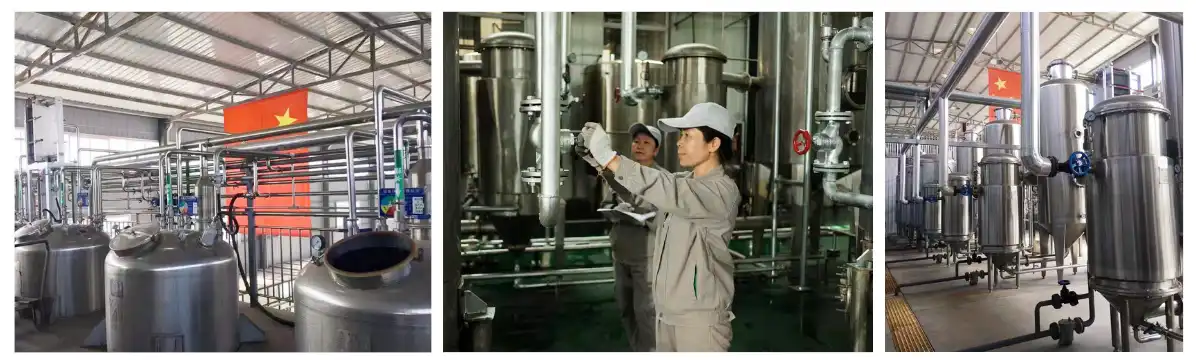
Le-Nutra has been making plant extracts for over 14 years in a GMP-certified facility worth 60,000 naira. This facility can make 3,000 tons of goods a year and deliver them on time 98% of the time. We make berberine hydrochloride powder ourselves and offer grades that have been checked by HPLC for 98% and 99% accuracy. Each batch comes with its own COA that shows all the impurities and heavy metal levels (Pb < 0.5 ppm), and it comes in a lightproof 25 kg drum. This is what the legal and buying teams need for every package. You can email enquiry@lenutra.com or visit lenutrabio.com to get a sample or talk to our team about your needs.
References
1. Yin, J., Xing, H., & Ye, J. (2008). Efficacy of berberine in patients with type 2 diabetes mellitus. Metabolism: Clinical and Experimental, 57(5), 712–717.
2. Dong, H., Wang, N., Zhao, L., & Lu, F. (2012). Berberine in the treatment of type 2 diabetes mellitus: A systemic review and meta-analysis. Evidence-Based Complementary and Alternative Medicine, 2012.
3. Lan, J., Zhao, Y., Dong, F., Yan, Z., Zheng, W., Fan, J., & Sun, G. (2015). Meta-analysis of the effect and safety of berberine in the treatment of type 2 diabetes mellitus, hyperlipemia and hypertension. Journal of Ethnopharmacology, 161, 69–81.
4. ANSES. (2020). Avis de l'Agence nationale de sécurité sanitaire de l'alimentation, de l'environnement et du travail relatif à l'évaluation des risques liés à la consommation de compléments alimentaires contenant de la berbérine. Agence nationale de sécurité sanitaire.
5. Zhang, Y., Li, X., Zou, D., Liu, W., Yang, J., Zhu, N., Huo, L., Wang, M., Hong, J., Wu, P., Ren, G., & Ning, G. (2008). Treatment of type 2 diabetes and dyslipidemia with the natural plant alkaloid berberine. Journal of Clinical Endocrinology & Metabolism, 93(7), 2559–2565.
6. United States Pharmacopeial Convention. (2023). Berberine Hydrochloride Monograph. USP–NF, United States Pharmacopeial Convention.
Online Message
YOU MAY LIKE
High-quality Botanical Extracts, Functional Ingredients, And Nutraceutical Raw Materials Manufacturer And Supplier