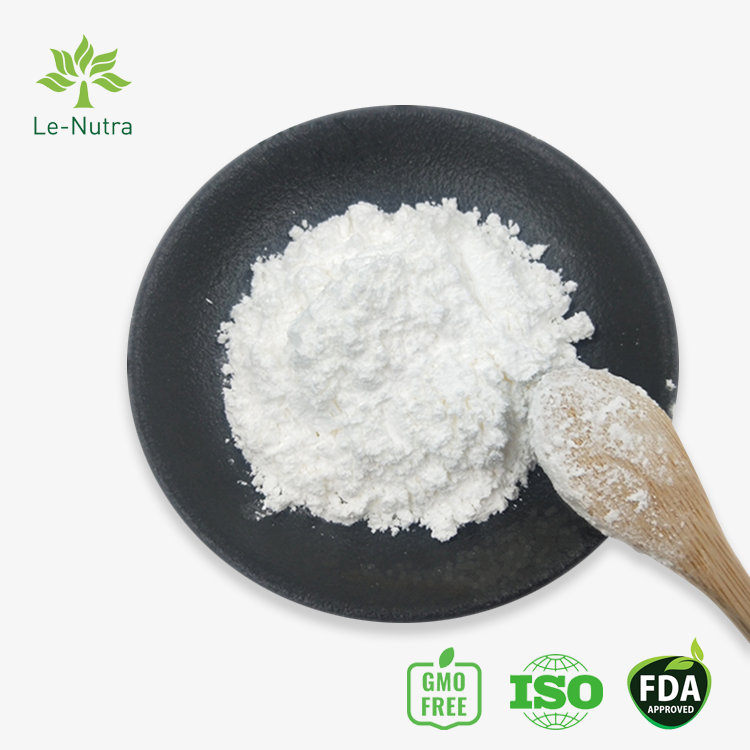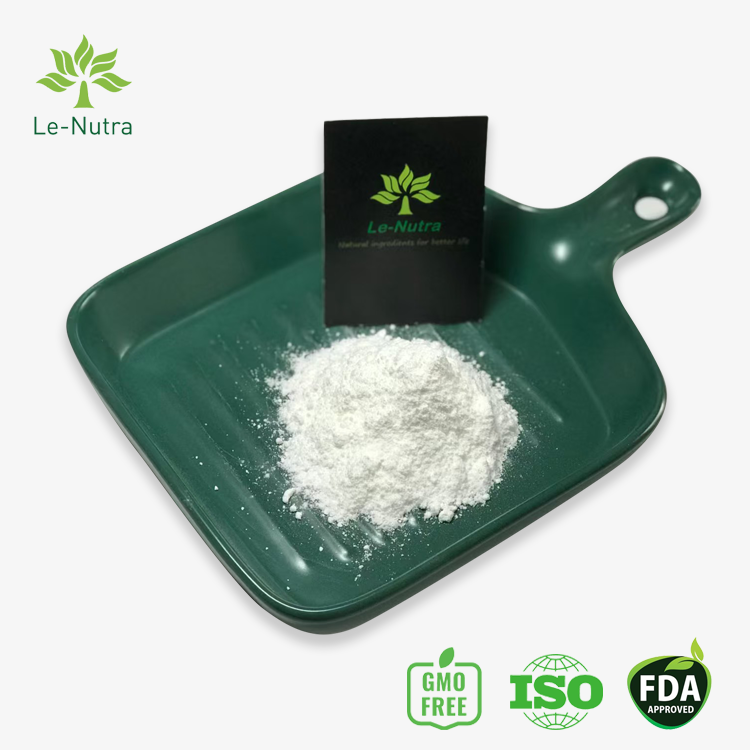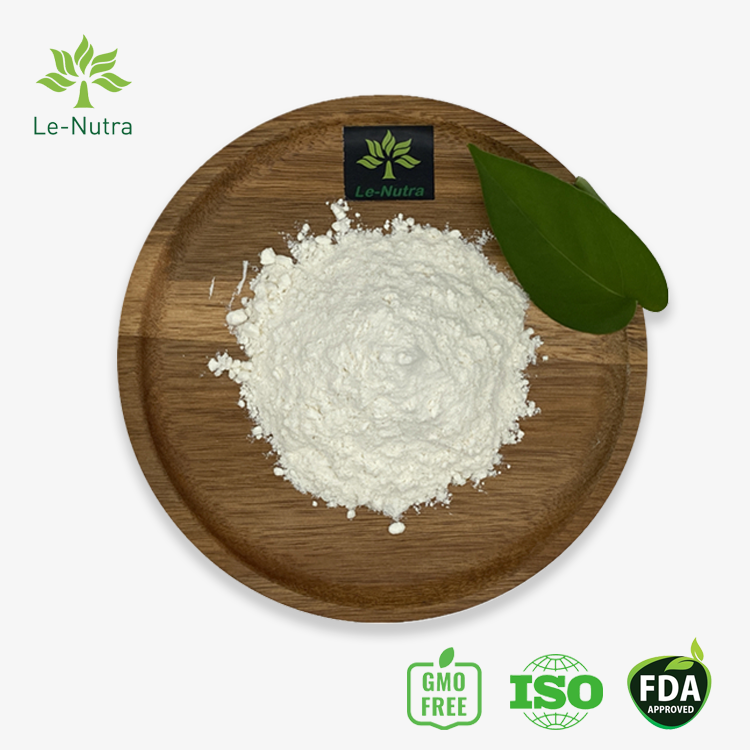
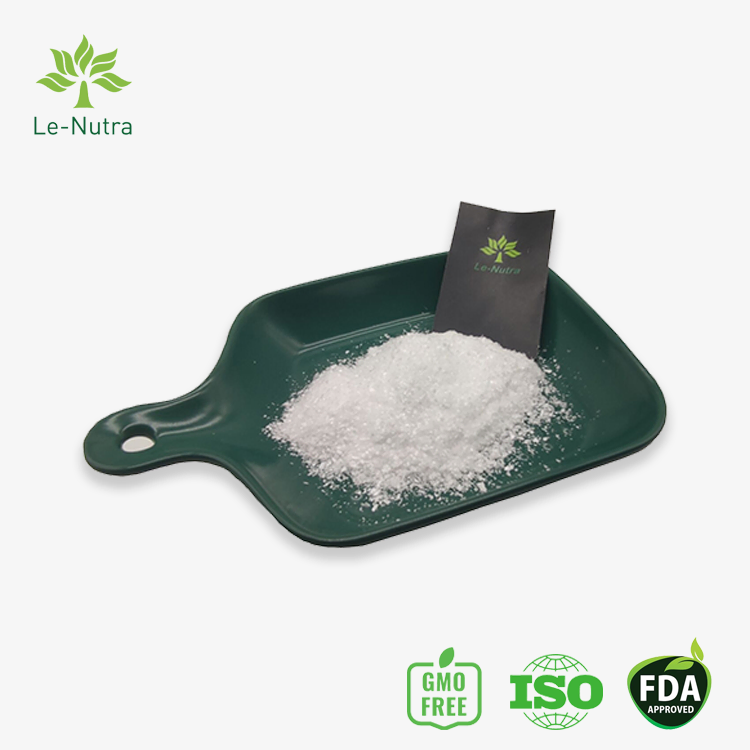
Pure Cholesterol Powder
Description
Pure Cholesterol Powder – Pharmaceutical Grade Lipid Material for Barrier Repair and Hormone Synthesis Applications
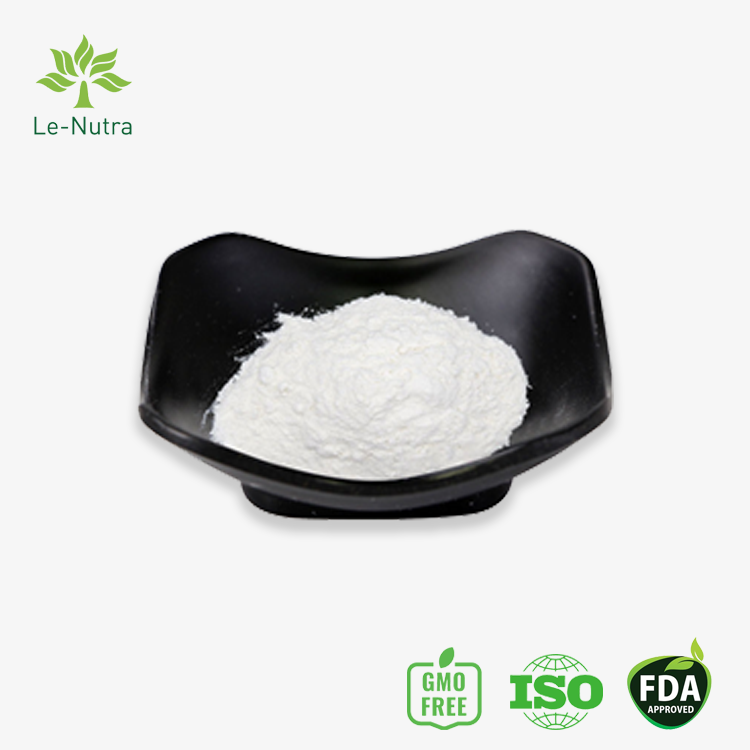
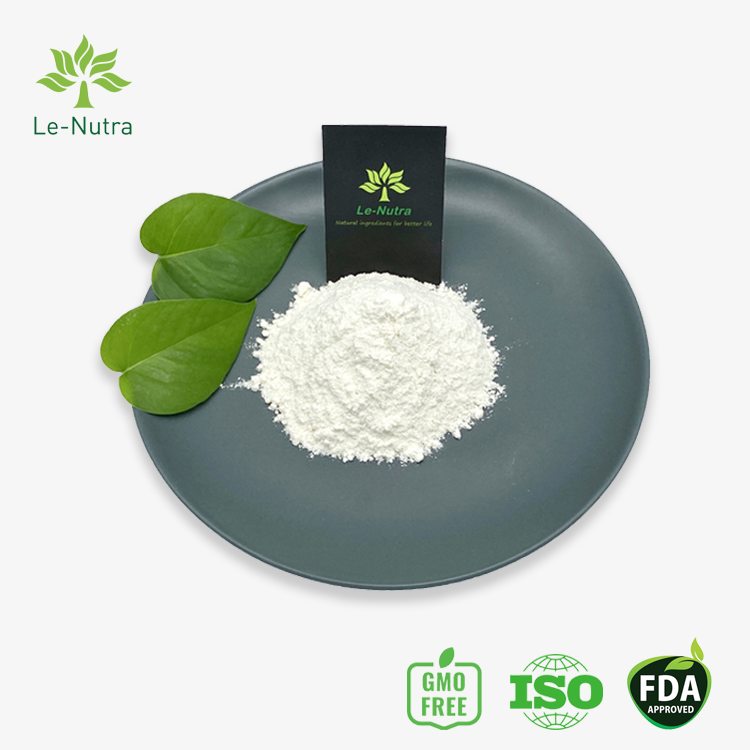
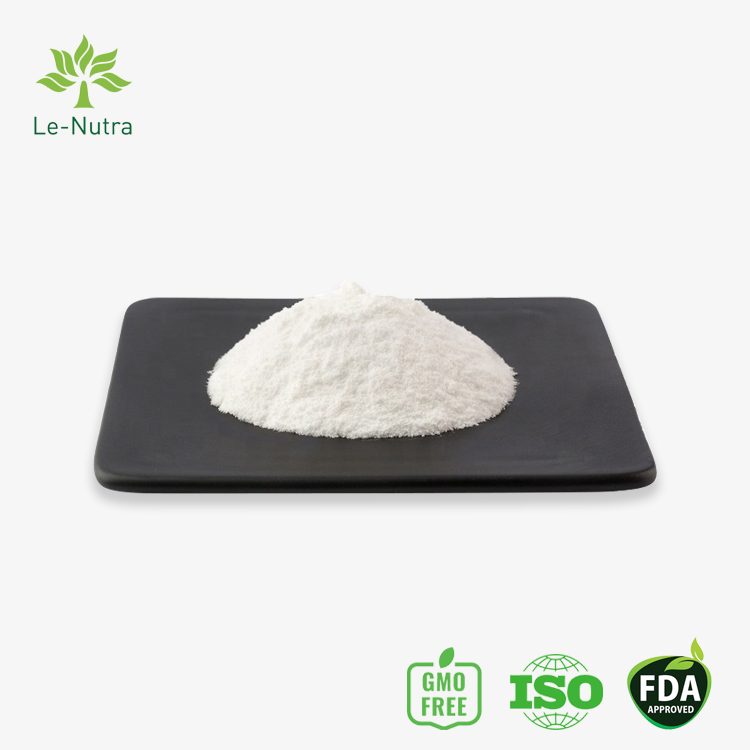
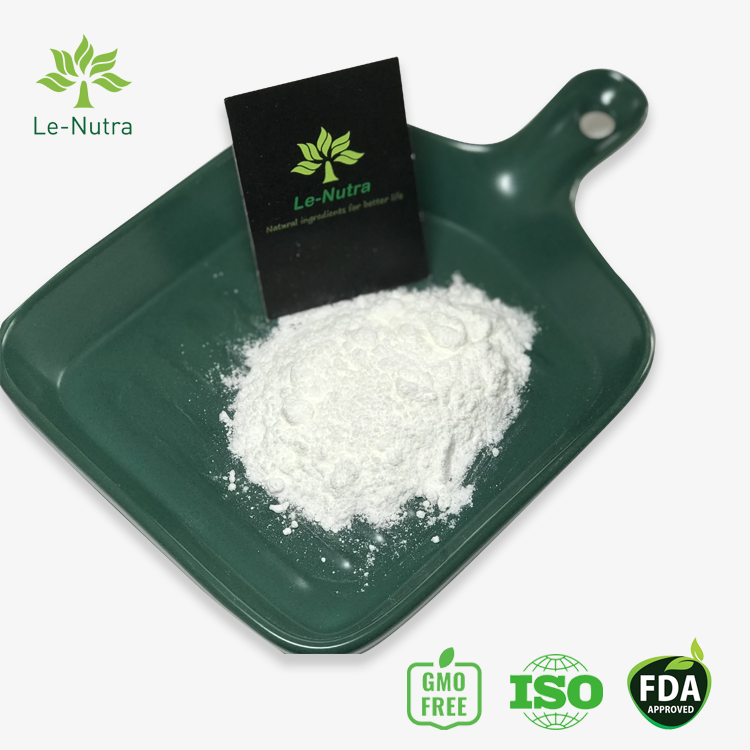
Xi'an Le-Nutra Ingredients Inc. offers pharmaceutical grade Pure Cholesterol Powder ≥99% assay (HPLC) produced in our 60,000㎡ GMP-certified factory with 3,000-ton annual capacity. This white crystalline powder (CAS 57-88-5) has a melting point of 147-150℃, heavy metals <10ppm, microbiological count <100CFU/g. Our product is an essential lipid of ceramide based barrier repair formulations, intermediates for steroid hormone synthesis and medicinal excipients. We have 14+ years of experience in biological materials and use state-of-the-art crystallisation technology and extensive traceability systems to ensure batch-to-batch uniformity. Direct factory pricing offers significant advantages for worldwide high volume pharmaceutical and cosmetic OEM projects.
What Is Pure Cholesterol Powder and Why It Matters for Your Formulations?
 Cholesterol (C27H46O) is a naturally occurring sterol lipid of importance in biological membrane formation and hormone manufacturing. Consumer attention is mixed on dietary cholesterol, while industrial product tackles key formulation difficulties in three industries.
It is an important step in the synthesis of bile acids, vitamin D3 and corticosteroid drugs in pharmaceutical manufacture. Such crystalline structure leads to homogeneous distribution in lipid matrix, thus improving batch-to-batch consistency in hormone synthesis processes.
For cosmetic formulators, cholesterol is the third pillar of the skin's natural lipid barrier, alongside ceramides and fatty acids. High purity powder (≥99%) emulates physiological lipid ratios and shows demonstrable barrier restoration in clinical dermatology trials. It fits perfectly into lamellar bilayer structures unlike synthetic lipids.
Its emulsifying properties are used in some nutrition products . For food grade applications, regulations vary by region . Our pharmaceutical-grade specification is higher than cosmetic and food regulations, giving you versatility across industries.
Technical Specifications and Quality Parameters
| Parameter | Specification |
|---|---|
| Product Name | Cholesterol (Cholesterin) |
| CAS Number | 57-88-5 |
| Appearance | White to off-white crystalline powder |
| Assay (HPLC) | ≥99.0% |
| Loss on Drying | ≤0.5% |
| Melting Point | 147-150℃ |
| Heavy Metals | ≤10 ppm |
| Arsenic (As) | ≤2 ppm |
| Lead (Pb) | ≤2 ppm |
| Cadmium (Cd) | ≤1 ppm |
| Mercury (Hg) | ≤0.1 ppm |
| Total Plate Count | ≤100 CFU/g |
| Yeast & Mold | ≤10 CFU/g |
| E. Coli | Negative |
| Salmonella | Negative |
| Storage Conditions | Sealed, cool, dry, dark place |
| Shelf Life | 24 months |
These parameters reflect pharmaceutical-grade standards compatible with USP, EP, and ChP monographs. Third-party testing available upon request.
Core Functional Advantages in Industrial Applications
Your formulation success is dependent upon lipid purity and structure. There are four measurable benefits to our powder.
Cell Membrane Stabilization: Cholesterol modulates membrane fluidity, critical for liposomal drug delivery systems and cellular nutrition products. The regulated size of crystals (80-120 mesh) guarantees a fast dispersion in lipid phases without agglomeration.
Precursor for Hormone Synthesis: Bile acids and vitamin D3 are the biochemical precursor for steroid hormones and the purity of the substance has a direct impact on the yield efficiency. Our assay ≥99% minimises competitive inhibition in enzymatic conversion.
Barrier Repair Performance: In ceramide skincare, cholesterol duplicates the skin’s natural 1:1:1 ratio of ceramides, cholesterol and fatty acids. Clinical studies reveal .5-2% dosage enhances transepidermal water loss (TEWL) 15-30% in 14 days.
Emulsification Stability: The amphiphilic structure stabilizes oil-water interfaces in pharmaceutical creams and nutritional emulsions, reducing formulation complexity compared to synthetic emulsifiers.
Multi-Sector Application Scenarios
Premium Barrier Repair Skincare: When paired with ceramides NP and AP, Pure Cholesterol Powder at 0.5-2% dosage rebuilds compromised lipid barriers in sensitive, atopic, or post-procedure skin. Its crystal shape makes it suitable for cold process formulation without thermal degradation.
Pharmaceutical Intermediate Manufacturing: It is used as feedstock by contract manufacturers for the production of corticosteroids, bile acid replacement treatment and vitamin D3. Its low heavy metal profile is within injectable-grade criteria.
Professional Makeup and Color Cosmetics: In foundations and concealers, 0.1-0.5% addition improves pigment dispersion and skin adhesion without greasiness. The white crystalline form does not interact with the colour systems.
Specialised Nutritional Products: In food-grade applications, this includes liposomal vitamin delivery systems and specialised dietary formulations when regulatory licensing allows. Our compliance staff can help with regional documents.
Manufacturing Excellence and Quality Assurance
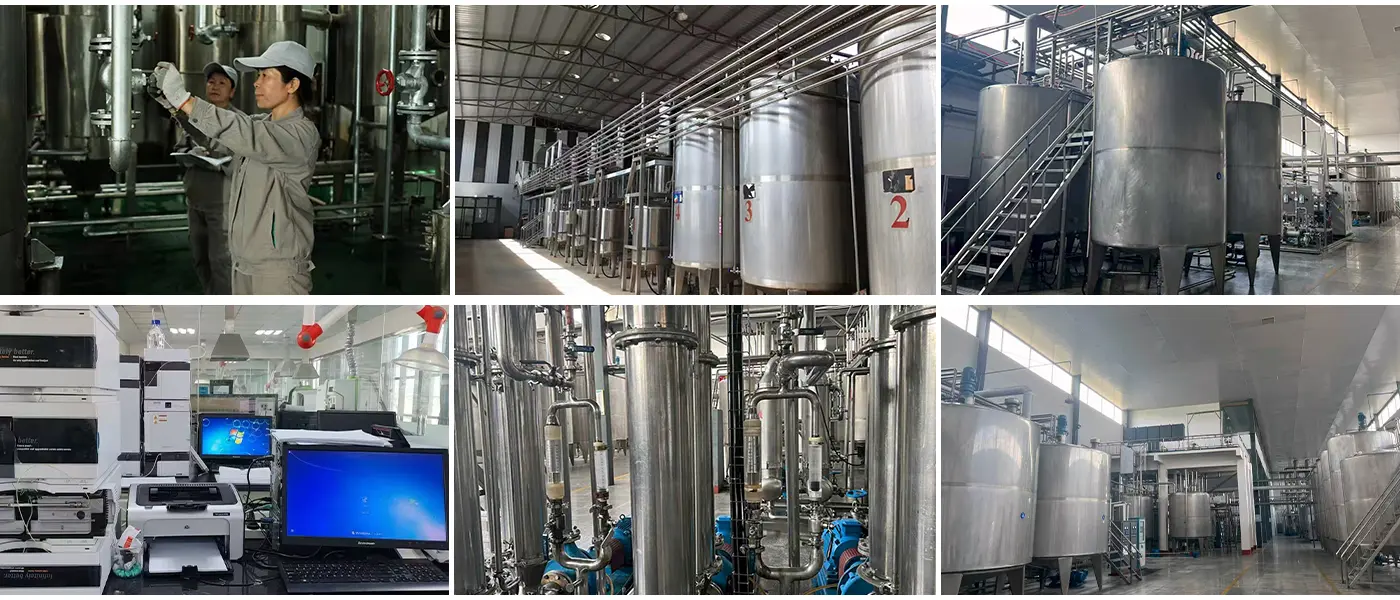
Our production base, covering an area of 60,000㎡, has six multipurpose lines for biochemical purification. The process of cholesterol crystallisation is performed by means of controlled-temperature recrystallisation, and activated carbon decolorisation, with a purity of >99% without residual solvents.
Each batch is subjected to a complete 18 point quality control screening including HPLC assay, melting point testing, heavy metals testing by ICP-MS and microbial challenge testing. Full documentation packages are available including Certificate of Analysis (COA), Technical Data Sheet (TDS) and regulatory statements (Non-GMO, Halal, Kosher).
We keep 30+ days of safety stock to absorb raw material fluctuations and ensure 98% on-time delivery for scheduled production cycles. Batch traceability from source verification to final QC release.

Professional Storage and Usage Guidelines
Storage Protocol: Seal containers immediately after use and store in controlled environments (15-25℃, <60% RH). Protect from direct light and oxidative atmospheres. Opened containers should be blanketed with nitrogen for extended shelf life.
Cosmetic Dosage Recommendations:
- Barrier repair serums: 0.5-2%
- Daily moisturizers: 0.2-1%
- Post-procedure recovery: 1-3%
- Color cosmetics: 0.1-0.5%
Pharmaceutical Processing: Dissolve in heated lipid phases (50-60°C) with constant stirring. Do not heat long over melting point to avoid oxidation. Compatible with most pharmaceutical excipients. Compatibility tests should be performed on new formulations.
Synergies in Formulation: Combined use with ceramide III (NP) and free fatty acids (palmitic, stearic) at 1:1:1 molar ratios for excellent barrier biomimicry. Add 0.1-0.2% tocopherol as antioxidant stabiliser.
Flexible Supply and Customization Services
We cater to a range of business models from sample evaluation (50g minimum) to bulk orders (multi-ton contracts). Standard packing is 25kg fibre drums with double food-grade polyethylene liners for air and marine freight.
Custom services include:
- Private label packaging with your brand artwork
- Specification adjustments (mesh size, crystal form)
- Blended lipid matrices (cholesterol-ceramide premixes)
- Regulatory documentation support for market entry
Delivery terms span EXW, FOB, CFR, CIF, DAP, and DDP based on your logistics preferences. Payment options include T/T, Western Union, PayPal, and Alibaba Trade Assurance for first-time buyers.
FAQ
Q: Why use pharmaceutical grade cholesterol instead of cosmetic grade cholesterol?
A: Pharmaceutical grade means ≥99% purity with tighter limits on heavy metals and microbes. Where your formulation is targeting compromised skin barriers or is under regulatory inspection, this is important. Cosmetic grades may have 95-98% purity with greater residual contaminants.
Q: What is the difference between cholesterol and lanolin or plant sterols in barrier repair?
A: Phytosterols are not in human skin, cholesterol is. Lanolin supplies cholesterol esters, whereas the product provides the free form which incorporates directly into lamellar bilayers. Clinical data showed improved TEWL compared to plant-based alternatives.
Q: Is this product suitable for use in vegan-certified formulations?
A: Our cholesterol is animal-derived and comes from lanolin (wool fat). Synthetic cholesterol or phytosterol substitutes for claims of vegan . There are variances in efficacy . We provide clear sourcing proof of certifying bodies.
Q: What causes yellowing of cholesterol powders during storage?
A: Colour change can occur by oxidation due to light, heat or exposure to air, at first without considerable loss of potency. To avoid this, store in amber or opaque containers with minimal headroom. Addition of 0.05-0.1% BHT or tocopherol during manufacture improves stability.
Q: How can I test the melting point in my lab?
A: Use a calibrated melting point equipment with heating rate of 1-2 °C/minute Pure cholesterol has a sharp melting point of 147-150 C. Broad or depressed melting ranges are indicative of contaminants or deterioration. In our COA we provide reference chromatograms for HPLC verification.

Partner With a Reliable Cholesterol Supplier
Contact our ingredient specialists at enquiry@lenutra.com to discuss your Pure Cholesterol Powder specific requirements and receive a customized quotation within 24 hours.
Online Message
YOU MAY LIKE
High-quality Botanical Extracts, Functional Ingredients, And Nutraceutical Raw Materials Manufacturer And Supplier