Oct 27, 2026
Everything You Need to Know About Boswellia
If you work in nutraceutical manufacturing, joint health formulation, or botanical ingredient sourcing, you have likely come across boswellia extract powder more than once. This pure oleoresin derivative of Boswellia carterii has acquired a firm foothold in supplement manufacturing lines, skin care laboratories and medicinal uses alike. This book distills everything procurement pros, OEMs and formula developers need to know – from active ingredient profiles and testing requirements to sourcing criteria and formulation advice.
Understanding Boswellia Extract Powder: Fundamentals and Benefits
What Is Boswellia Extract Powder?
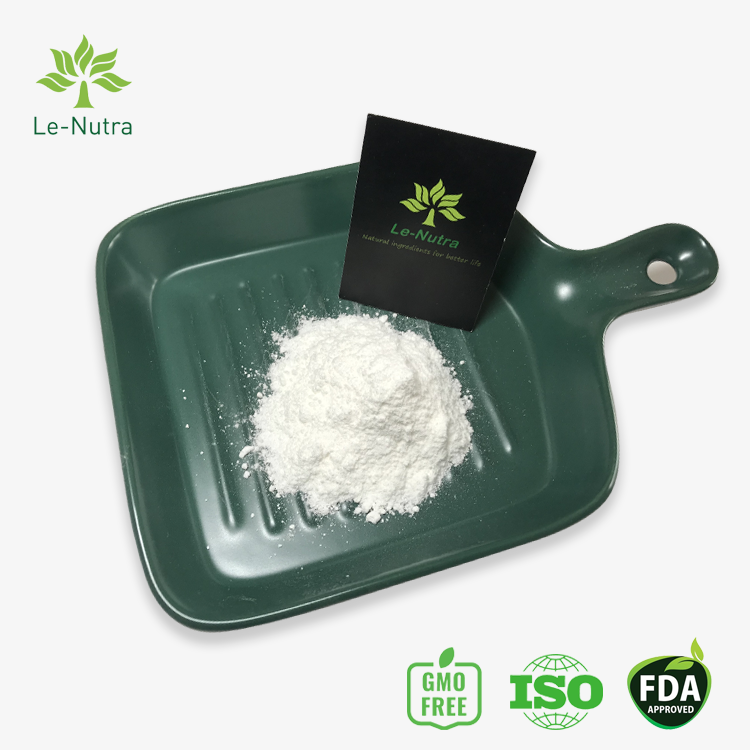
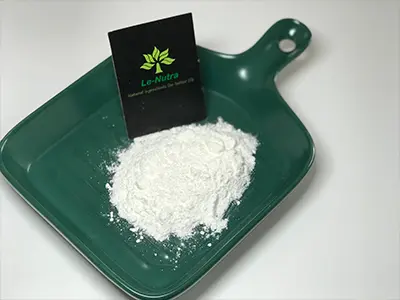
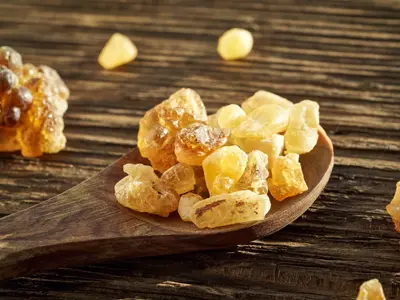
The gum resin of the Boswellia carterii tree (CAS No.: 631-69-6) is where boswellia extract powder is found. Then the active pentacyclic triterpenes, mostly boswellic acids, are blended with the powder, which can be quantified and handled more easily than the raw resin which has variable strengths and is more difficult to deal with. What you have is a fine, off-white powder. You may use it to smash pills and fill capsules , produce medication for your skin .
KBA and AKBA: The Compounds That Matter
Boswellic acids are of numerous kinds and molecular weights. The most investigated are acetyl-11-keto- ` boswellic acid (AKBA) and 11-keto-β-boswellic acid (KBA). Leukotrienes are a key cause of chronic inflammation . AKBA is a highly potent inhibitor of the enzyme 5-LOX (5-lipoxygenase). This halts the formation of leukotrienes. If you are looking to purchase labels for joint health, you will want to be able to acquire a total boswellic acid number by titration, as well as separate readings of KBA and AKBA by HPLC.
Dosage, Safety, and Formulation Notes
There is published clinical research that says between 300 mg and 1,000 mg of boswellia per serving is the best amount to take as a supplement. This depends on the grade of standardization. Boswellia extract should not be consumed by women who are pregnant or who are nursing. It's also possible that the product will work with liver CYP450 enzymes to improve the way drugs work. This is something that you should put in your technical documents and questions for suppliers.
Comparing Boswellia Extract Powder: Making an Informed Choice
Titration vs. HPLC Standardization
The most important technical change in this group is the way the bugs are found. Testing using titration counts a lot of different organic acids, which can make the percentage of boswellic acid given higher by adding chemicals that aren't helpful. Different acids, like KBA and AKBA, can be separated and measured much more accurately with HPLC. They might say "65% boswellic acid by titration," but the real amount of AKBA could be anywhere from 2% to 3%. During the QC re-test stage, that gap really does cause problems.
Boswellia vs. Turmeric in Joint Formulas
For joint health, turmeric (curcumin) and boswellia extract powder are often mixed together. This is because they each treat a different kind of inflammation. Curcumin stops NF-κB, and boswellic acids stop 5-LOX. Putting them together in a complex mixture protects against inflammation even more. But before you decide on a formula, you should ask the supplier for information on how stable mixed matrices are, especially those that contain glucosamine and type II collagen.
Concentration Grades and Dosage Form Fit
There is a lot of boswellia extract powder that has been tested and found to have 65%, 75%, 85%, or 95% boswellic acid by HPLC. It's best to keep the pill fill weight as low as possible when adding other active ingredients to a single dose unit. This is possible because the amounts are higher. As long as the amount of filling isn't too small, lower grades might work for softgels or chewables. As soon as possible, matching the grade to the dosage form will help research costs go down a lot.
Procurement Insights: How to Source Quality Boswellia Extract Powder
Certifications and Documentation to Request
A Certificate of Analysis (COA), a Technical Data Sheet (TDS), a Material Safety Data Sheet (MSDS), and test data from a third party should all be included with a boswellia extract powder press. Check to see if the product is registered with the FDA, ISO, GMP (as required by 21 CFR Part 111 for goods sold in the US), and Kosher. For people who want to buy something in the EU market, each preparation must be confirmed as a Novel Food. The 1997 consumption history criterion applies, but it can't be used for all extract forms in general.
Solvent Residue and Heavy Metal Testing
Providers you can trust use either ethanol or ethyl acetate as extraction fluids. You can choose either of these, and both will keep the full boswellic acid profile. The USP's boundaries should be shown by data on solvent remains. Heavy metal screens should find at least 10 parts per million of arsenic, lead, cadmium, and mercury. The total plate count should be less than 1,000 cfu/g, the counts for yeast and mold should be less than 100 cfu/g, and the tests for E. coli and Salmonella should come back negative.
Pricing Factors and Bulk Sourcing Considerations
The cost of boswellia extract powder varies depending on the grade of concentration, the batch size, and any customization requirements you may have. High-grade material that has been checked by HPLC costs more than options that use titration, but the re-test pass rate and label accuracy make up for it for long-term joint health SKUs. Most bulk goods are packed in 25 kg fiber drums that are lined with two layers of food-safe polyethylene bags. When things are busy, suppliers with 30-day safety stock gaps make it less likely that production will stop.
Practical Applications and Case Studies in B2B Industries
Joint Health Supplements
As a supplement for joint health, boswellia extract powder is still the most well-known way to use it. A study published in 2015 in the journal Phytomedicine found that standardized boswellia extract helped people with osteoarthritis who had knee pain and improved their physical function scores over the course of 90 days. This means that supplement brands can make claims about structure and function under 21 CFR 101.93, as long as they don't make any claims about diseases and put the necessary statement on the label.
Cosmetics and Skincare Integration
Boswellic acids are known to protect cells from damage and reduce swelling. Because of this, they can be used in products for people with sensitive skin and for people who want to take longer to age. It can be mixed with emulsions, serums, and face creams to help with acne, controlling sebum, and oxidative stress. For cosmetic-grade standards, there needs to be tighter control over color, smell, and microbes. There are grades that don't smell as bad or don't have any color at all that can be used in places where the woodsy smell of regular powder would ruin the overall scent.
Formulation Challenges and Solutions
When it comes to boswellic acids, they don't like water very much because they are lipophilic. When making pills and capsules, standard excipients work well as long as the relative humidity stays close to 45%. This keeps the powder from getting hard. Adding silicon dioxide as a flow agent makes high-speed closing lines work better. For drinks and liquids, there are types that don't mix with water and use cyclodextrin inclusion or lecithin-based emulsification. Liposome complexing is another option when absorption needs to be thought about while the mixture is being made.
How to Choose the Right Boswellia Extract Powder Supplier: A Buying Guide?
What to Look for in a Supplier
There should be more than just boswellic acid in the HPLC test results from a reliable company that sells beta-boswellic acid. The results should show how much KBA and AKBA are present. The people who did the separation should say what kind of fluids they used and give test results for any leftovers. For any line of long-lasting products, you must be able to track back to the source resin from one batch to the next. Also, sellers should make sure they can make the things you want to buy every year so that there are no problems with allocation.
Evaluating Technical Support Capability
Check to see if the supplier's technical team can help you with formulation decisions. For example, they might be able to help you pick the right grade for each dosage form, make sure that the excipients work well together, and test the stability of co-actives like glucosamine or curcumin. This is very important when it costs a lot to move because of formula lock-in. It's easier to buy joint health products when the seller can answer both business and technical questions. This process usually takes 4 to 8 months.
Long-Term Partnership Criteria
The best relationships with suppliers last longer than just one order. The delivery terms should be open, like EXW, FOB, CFR, CIF, DAP, and DDP. You should also be able to make an annual framework agreement and have a number of payment choices, like T/T and Alibaba Trade Assurance. Making sure that quality stays the same across multiple production batches and keeping quality control records is the first step in making sure that a label stays true for the whole time that a product is sold.
Conclusion
Boswellia extract powder is a versatile botanical ingredient with proven promise in nutraceutical, cosmetic and medicinal applications. But for B2B purchasers, the proper extract is more than just glancing at the declared boswellic acid concentration. HPLC testing is crucial for the proper assessment of active chemicals like KBA and AKBA, and batch testing, microbiological controls, heavy metal screening, solvent residue data and traceability aid to promote consistent raw material quality. Also, the formulation requirements are important, since boswellic acids are lipophilic and may need proper processing procedures for liquid applications. Therefore, a reputable supplier should not only supply standardised material, but also technical documentation, customisation possibilities, consistent manufacturing capacity and reliable delivery. Xi'an Le-Nutra Ingredients Inc. is professional manufacturer of boswellia extract powder, with 60000㎡ production base, 3000 tonnes annual capacity, expert R&D and QC teams and OEM/ODM support. We can provide boswellia extract powder with 65%~95% boswellic acid grades to meet varied formulation demands. The company may generate consistent botanical goods and establish sustainable sourcing agreements by combining reliable quality with flexible supply and technical assistance.
FAQ
1. What is the difference between titration and HPLC testing for boswellia extract powder?
Titration measures total organic acids broadly, which can include non-active compounds and produce inflated assay results. HPLC separates and individually quantifies the active boswellic acids, including KBA and AKBA. For joint health labels, HPLC data is the standard professional buyers rely on to verify potency at re-test.
2. Is boswellia extract powder water-soluble?
No. Native boswellic acids are lipophilic. For liquid or beverage applications, specify a water-dispersible grade or incorporate solubility aids such as cyclodextrins or liposomal systems during formulation development.
3. How do I prevent caking on the production line?
Keep production environment humidity near 45% relative humidity. Suppliers can add silicon dioxide as a flow agent to the powder specification, which significantly improves machineability on high-speed capsule filling equipment.
4. Are there safety considerations for end consumers?
Boswellia extract powder is not suitable for pregnant or nursing individuals. It may inhibit hepatic CYP450 enzymes and increase the effect of certain medications. This information should be retained in your technical documentation and communicated appropriately on labels.
5. What solvents are used in extraction, and does it matter?
Yes, it matters. Ethanol and ethyl acetate are the accepted extraction solvents because they are safer and preserve the full boswellic acid spectrum. Always request solvent residue data and avoid extracts processed with unidentified chemical solvents.
Partner with Le-Nutra for Verified Boswellia Extract Powder
We sell boswellia extract powder that has been tested by HPLC and found to contain between 65% and 95% boswellic acid. It comes from a 60,000₪ GMP-approved factory that has been mining plants for more than 14 years. Our technical team is ready to help you with your recipe from the first sample all the way through the annual framework. We make boswellia extract powder for joint health supplements, beauty actives, and custom grades with extra flow agents. Email us at enquiry@lenutra.com or visit lenutrabio.com to get a COA, TDS, or sample.
References
1. Sontakke, S., et al. "Boswellic acids in the treatment of rheumatoid arthritis." Phytomedicine, 2007.
2. Abdel-Tawab, M., et al. "Boswellia serrata: An Overall Assessment of In Vitro, Preclinical, Pharmacokinetic, and Clinical Data." Clinical Pharmacokinetics, 2011.
3. Kimmatkar, N., et al. "Efficacy and tolerability of Boswellia serrata extract in treatment of osteoarthritis of knee." Phytomedicine, 2003.
4. Ammon, H.P.T. "Modulation of the immune system by Boswellia serrata extracts and boswellic acids." Phytomedicine, 2010.
5. Gupta, I., et al. "Effects of Boswellia serrata gum resin in patients with bronchial asthma: results of a double-blind, placebo-controlled, 6-week clinical study." European Journal of Medical Research, 1998.
6. Blain, E.J., et al. "Boswellic acid inhibits matrix metalloproteinase expression in cartilage." Rheumatology, 2010.
Online Message
YOU MAY LIKE
High-quality Botanical Extracts, Functional Ingredients, And Nutraceutical Raw Materials Manufacturer And Supplier