Nov 2, 2026
Sodium pyruvate:a crucial role in cellular metabolism
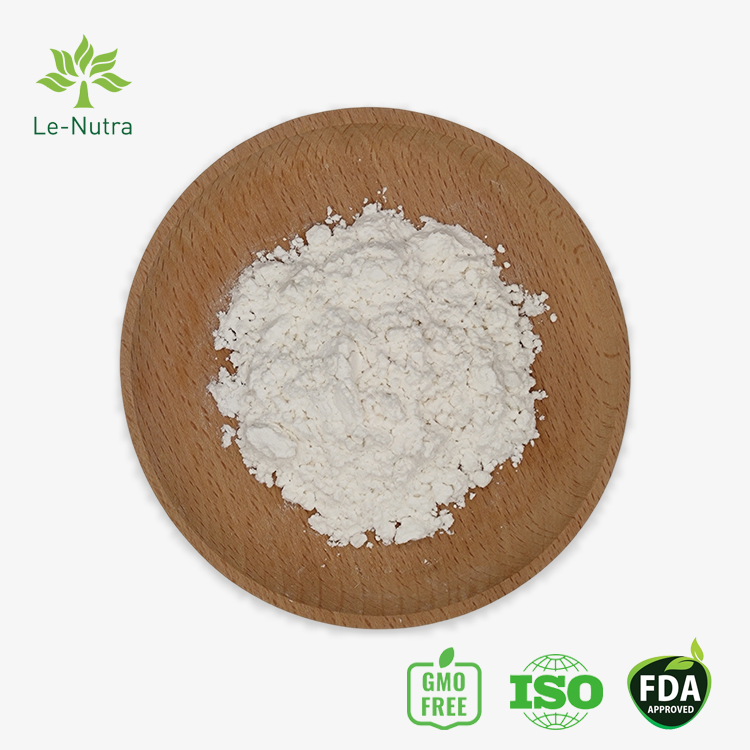
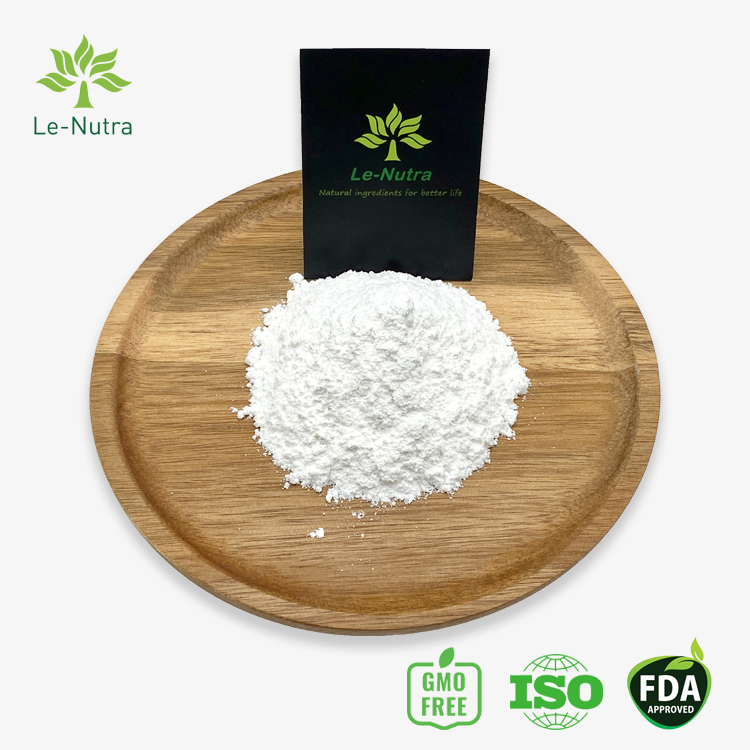
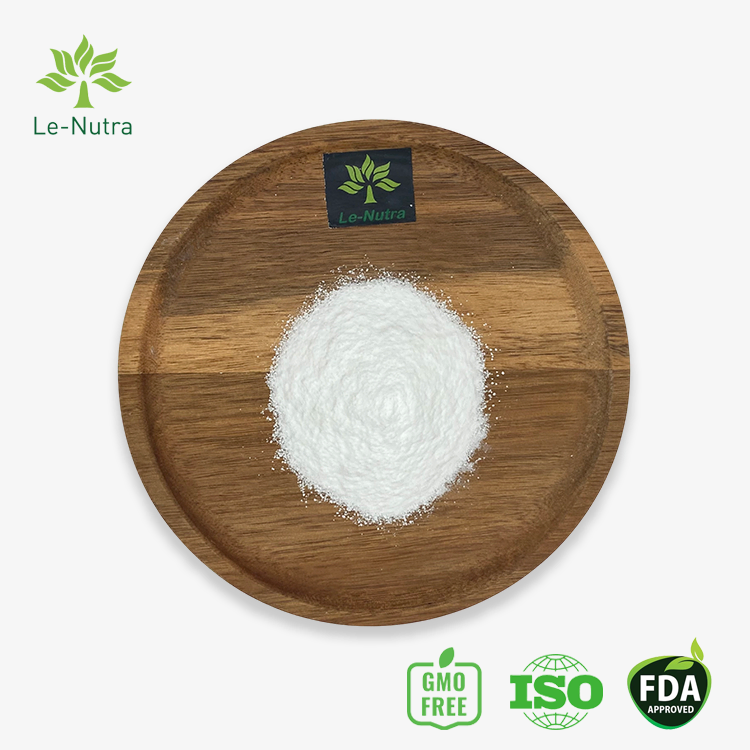
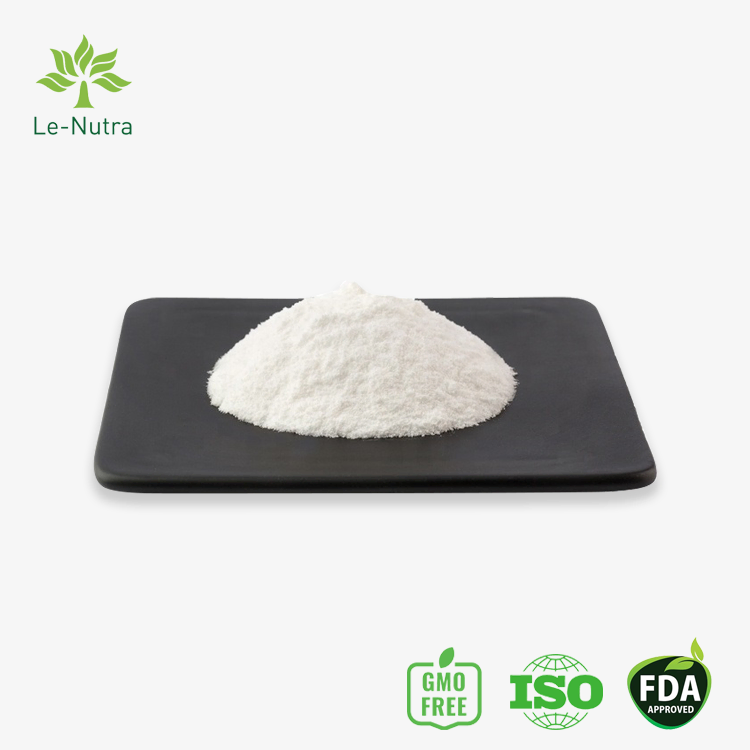
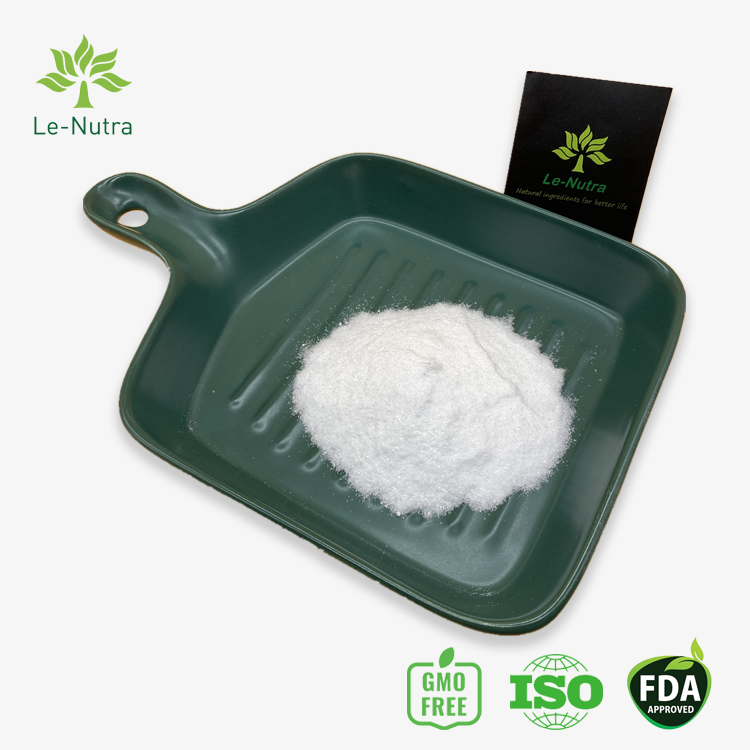
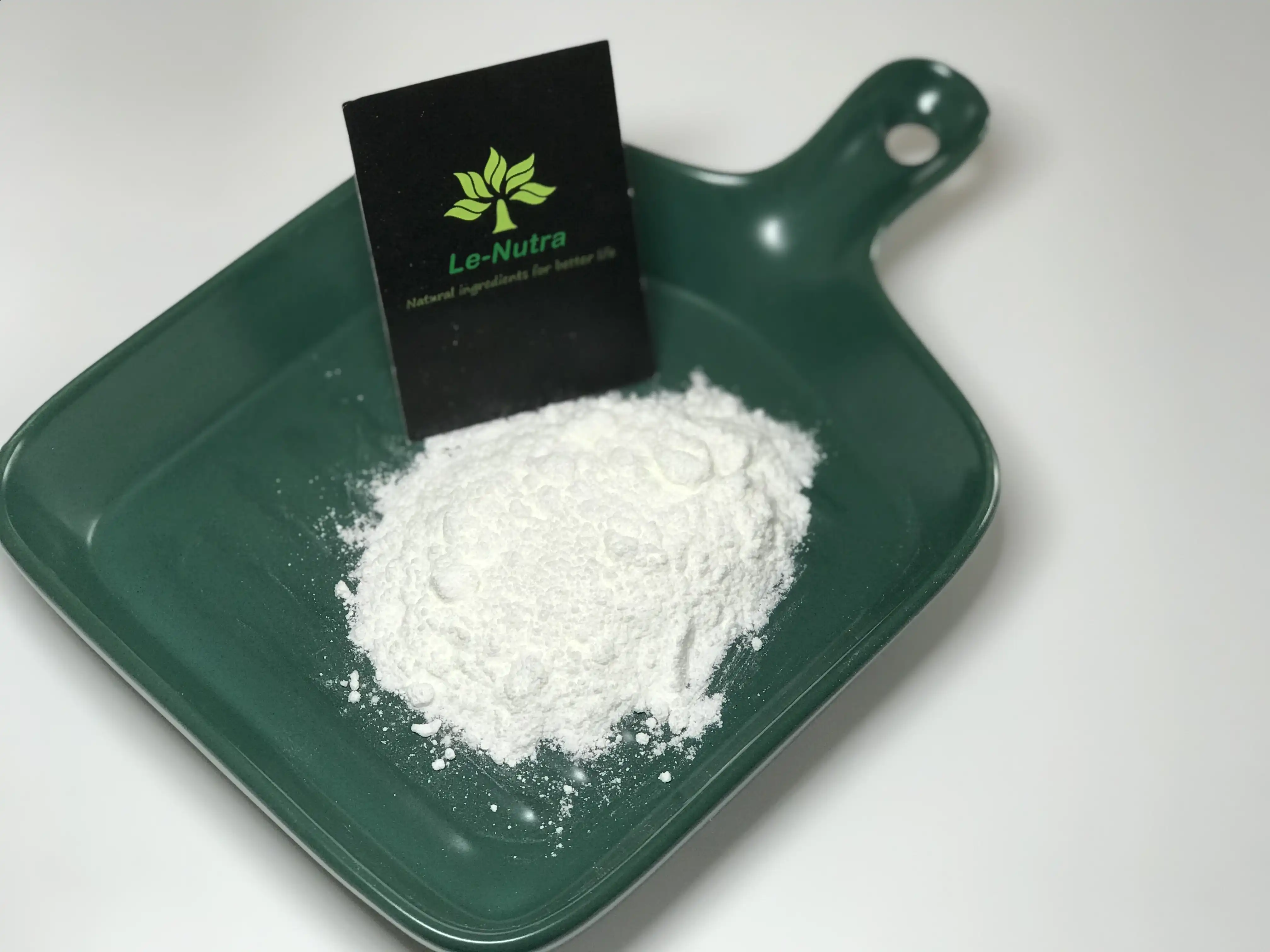
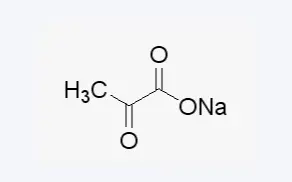
Sodium pyruvate powder (CAS No. 113-24-6, C₃H₃NaO₃) is the stable sodium salt form of pyruvic acid, a white to off-white crystalline powder with ≥99% purity by HPLC. In live cells, it is located at the junction of glycolysis and the Krebs cycle and is thus one of the most functionally active small molecules in energy metabolism. The biochemistry of sodium pyruvate powder for cell culture medium, diagnostic reagent manufacture, or pharmaceutical intermediates should dictate your buying selections in terms of batch uniformity and product performance.
Understanding Sodium Pyruvate Powder: Composition, Mechanism, and Benefits
Sodium pyruvate powder is dissolved in water to up to 100 mg/mL, resulting in a transparent solution. It is more stable than liquid pyruvic acid, as its freezing point is over 300ºC. These properties make it possible to transport, handle, and weigh it in the laboratory and in production.
How It Enters Cellular Energy Pathways
The cells absorb the sodium pyruvate powder and transport it to the mitochondria. Pyruvate dehydrogenase immediately feeds it into the Krebs cycle. This allows cells to produce ATP without glucose. This metabolic bypass switches off the formation of lactate and ammonia in biotech cell culture. High cell density in bioreactors is known to be toxic to cells due to lactate and ammonia (Glacken et al., 1986).
Antioxidant Function at the Cellular Level
Hydrogen peroxide (H 2 O 2) and sodium pyruvate react in the absence of enzymes to produce acetate, CO 2, and water. Because there is no enzyme to accelerate the process, protection is immediate and concentration-dependent. Supplementation with additional pyruvate has been shown to significantly minimize oxidative damage in cultured cells exposed to H 2 O 2 (Giandomenico et al., 1997) in a research published in Free Radical Biology and Medicine.
Physicochemical Specifications That Matter
For business-to-business purchases, the technical characteristics of sodium pyruvate powder cannot be modified. All batches produced at Le-Nutra must adhere to the following standards: purity ≥ 99% (HPLC), loss on drying < 0.5%, heavy metals ≤ 20 ppm, pH 4.0–8.0 (100 g/L, 25 °C), total plate count ≤ 1000 cfu/g, yeast and mold ≤ 100 cfu/g. Each lot is supplied with a complete COA, HPLC chromatogram, TDS, and MSDS.
Comparative Analysis: Sodium Pyruvate vs Other Pyruvate Forms and Supplements
Solicitation teams often compare sodium pyruvate powder, pyruvic acid, and calcium pyruvate side by side before making a choice. Before you work with a seller, you should know the pros and cons of each type.
Sodium Pyruvate Powder vs Pyruvic Acid
Liquid pyruvic acid is very acidic and doesn't stay stable chemically. It quickly turns into parapyruvate at room temperature, which is harmful to living cells. It's not like that with sodium pyruvate powder. Once sealed, it will stay stable for 24 months at 2–8 °C. When making something that needs to be dosed the same way every time, powder form takes away a big factor that could mess up quality control.
Sodium Pyruvate Powder vs Calcium Pyruvate
Calcium pyruvate is often found in weight loss products you can buy without a prescription. Because it has an extra calcium ion, it dissolves and is used by cells in different ways. This could make studies of enzymes and substrates less accurate. It is better to use sodium pyruvate powder for making diagnostic tools because it has a better ionic profile for enzyme reactions. Lactate dehydrogenase (LDH) tests use it very well to check how well the liver is working.
Cost Efficiency for Bulk Industrial Buyers
The best price per gram for sodium pyruvate powder is: A lot of people who make things pick sodium pyruvate powder since it is cheap. It costs less per gram than imported brands, but the quality is the same. For large orders, Le-Nutra sells sodium pyruvate powder in 25 kg fiber drums with two layers of food-safe polyethylene bags. For research and development (R&D) and small-scale activities, the powder can be bought in bags of 1, 5, or 10 kg of aluminum foil. You won't have to go to two different places to get them because they come in two types.
Procurement Guide: How to Buy Sodium Pyruvate Powder for Industrial Use
You can't just look at prices to find sodium pyruvate powder for limited places. How well your manufacturing line stays compliant and running depends on how qualified your suppliers are, how well your paperwork is organized, and how much cold chain space you have.
Supplier Qualification Criteria
Make sure that the company you buy sodium pyruvate powder from has multi-batch COAs for at least three manufacturing batches in a row. It is possible to compare important parameter drifts from one batch to the next, such as purity, pH, and loss on drying. A lot of people who work with cell culture and IVD reagents say that batch-to-batch stability is the most important thing to think about. In this case, a difference of only 0.5% in purity can change the way enzymes work.
Sampling and Quality Verification Process
Sodium pyruvate powder usually goes through a qualification process that lasts 8 to 12 weeks. This process includes tests for cell viability, endotoxin screening, and HPLC purity by the buyer's QC lab. "Le-Nutra makes this process easier by giving away free samples and paperwork, such as ISO certification, HPLC chromatograms, and full traceability for every lot."
Cold Chain and Packaging Compliance
Salt pyruvate powder should be kept and moved between 2°C and 8°C so that it doesn't go bad. When you buy something from another country, make sure that the company has a cold chain that includes both storage and foreign shipping. One main reason goods are turned away at the receiving dock is that they had trouble keeping the right temperature while being shipped.
Industrial Applications and Use Cases of Sodium Pyruvate Powder
Many teams that buy things don't know how often sodium pyruvate powder is used. To make biological products, figure out what's wrong with people, make medicines, and make personal care items, you can use it.
Here are some of the main places where sodium pyruvate powder is known to be useful:
- It is a secondary source of carbon in chemically defined media like DMEM that is used for cell growth. It directly feeds the Krebs cycle, helps cells grow when glucose levels are low, and gets rid of H+O₂ from oxygen metabolism. This makes cells live longer and makes more recombinant proteins.
- Ways to test for IVD: It helps LDH do its job in liver function test kits. Lactate and pyruvate are changed into something else with help. A purity level of at least 99% is important in this case because small amounts of impurities could stop enzymes from working right and cause automatic clinical testers to give wrong results.
- If you need a three-carbon keto acid backbone, these are the building blocks you use to make amino acids, vitamins, and other active pharmaceutical compounds.
Around the world, especially in the US, Europe, and Southeast Asia, there is a steady need for all three types of apps. There are different quality standards for each market group, but they all want the same thing: an item that is always clean and has a lot of proof.
Safety, Dosage, and Regulatory Compliance of Sodium Pyruvate Powder
Safety Profile and Handling
Sodium pyruvate powder is safe to use, according to scientists and factory workers. Rules for managing industrial chemicals say it's safe as long as it's used the way it's written on the MSDS. It should be kept away from heat and wetness, which will break it down faster but aren't a big threat.
Recommended Use Levels Across Applications
Standard amounts of sodium pyruvate are added to cell growth medium. These are 1 mM, which is equal to 110 mg/L. In clinical tests on humans, doses in the form of food supplements ranged from 6 to 44 grams per day. In business, however, smaller amounts are usually used. You only use the right amount as makeup to make sure your skin is ready for it.
Certifications and Regulatory Documentation
There is a COA, TDS, MSDS, and an HPLC chromatogram that comes with Le-Nutras Sodium Pyruvate Powder. We can give you ISO approval if you ask. The expert staff works directly with clients who need extra help with compliance, such as getting the paperwork they need to register their goods in controlled markets.
Conclusion
Salt pyruvate powder has a clear and important role to play in a number of areas. Biochemical research that has been going on for decades has shown that it plays a part in how cells use energy. On top of that, it's useful because it's chemically stable, ≥99% pure, and can be used in lots of different places. It can be used to make biopharmaceuticals, clinical tests, pharmaceutical synthesis, and cosmetic formulations because of this. Getting sodium pyruvate powder from a company that offers consistent batch quality, full documentation, and cold chain capacity lowers risk further down the line and makes it easier to follow rules in global markets.
FAQ
1. Does sodium pyruvate powder affect cell culture pH?
Sodium pyruvate powder has some minor buffering character in solution, but its primary function is metabolic, not pH control. It is typically paired with sodium bicarbonate or HEPES for effective pH management in cell culture media.
2. How should sodium pyruvate powder be stored after opening?
Once opened, reseal the container immediately and return it to 2–8°C cold storage in a dry, well-ventilated area. Exposure to ambient temperature and humidity accelerates degradation. Under proper conditions, shelf life is 24 months.
3. Can sodium pyruvate powder be used in automated clinical analyzers?
Yes. At ≥99% purity, it dissolves completely in water at 100 mg/mL without turbidity, making it compatible with optical detection systems in automated analyzers. Lower-purity grades may introduce interference.
4. What packaging formats are available for R&D use?
Le-Nutra offers sodium pyruvate powder in 1 kg, 5 kg, and 10 kg aluminum foil bags for research and development purposes, and 25 kg fiber drums for production-scale orders.
5. Is sodium pyruvate powder suitable for pharmaceutical registration filings?
Yes. Complete documentation — COA, TDS, MSDS, HPLC chromatogram, and ISO certification — is available for each production batch to support regulatory submissions.
Partner with Le-Nutra for Reliable Sodium Pyruvate Powder Supply
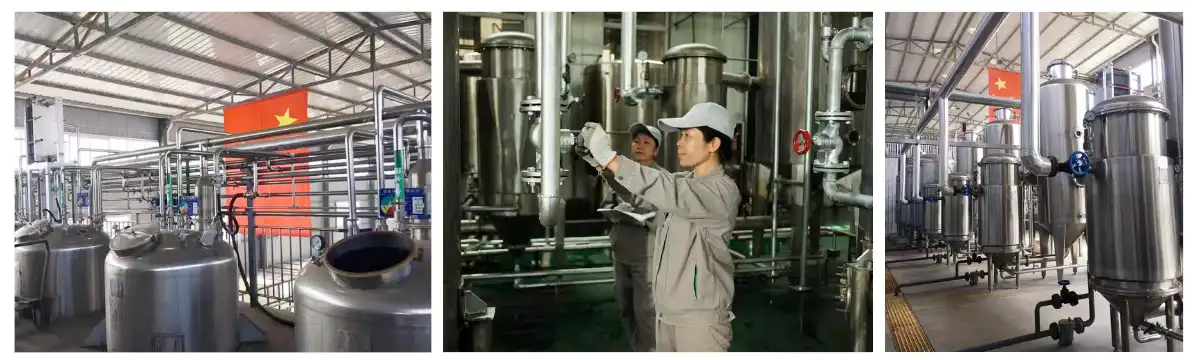
Le-Nutra is a sodium pyruvate powder manufacturer and supplier with 14+ years of industry experience, a 60,000 m² production base, and 3,000 tons of annual production capacity. We offer direct factory pricing, dual packaging formats (R&D and production scale), and full documentation support — COA, HPLC chromatogram, ISO, MSDS, and TDS — for every batch. Send your specifications and request a free sample today. Contact us at enquiry@lenutra.com to discuss your procurement requirements.
References
1. Glacken, M. W., Adema, E., & Sinskey, A. J. (1988). Mathematical descriptions of hybridoma culture kinetics. Biotechnology and Bioengineering, 32(4), 491–506.
2. Giandomenico, A. R., Cerniglia, G. E., Biaglow, J. E., Stevens, C. W., & Koch, C. J. (1997). The importance of sodium pyruvate in assessing damage produced by hydrogen peroxide. Free Radical Biology and Medicine, 23(3), 426–434.
3. Ozturk, S. S., & Palsson, B. O. (1991). Effect of medium osmolarity on hybridoma growth, metabolism, and antibody production. Biotechnology and Bioengineering, 37(10), 989–993.
4. Moran, L. A., Horton, H. R., Scrimgeour, K. G., & Perry, M. D. (2012). Principles of Biochemistry (5th ed.). Pearson Education.
5. Eagle, H. (1959). Amino acid metabolism in mammalian cell cultures. Science, 130(3373), 432–437.
6. Newsholme, P., Curi, R., Gordon, S., & Newsholme, E. A. (1986). Metabolism of glucose, glutamine, long-chain fatty acids and ketone bodies by murine macrophages. Biochemical Journal, 239(1), 121–125.
Online Message
YOU MAY LIKE
High-quality Botanical Extracts, Functional Ingredients, And Nutraceutical Raw Materials Manufacturer And Supplier