Oct 29, 2026
The Science and Versatility of Oat Peptides
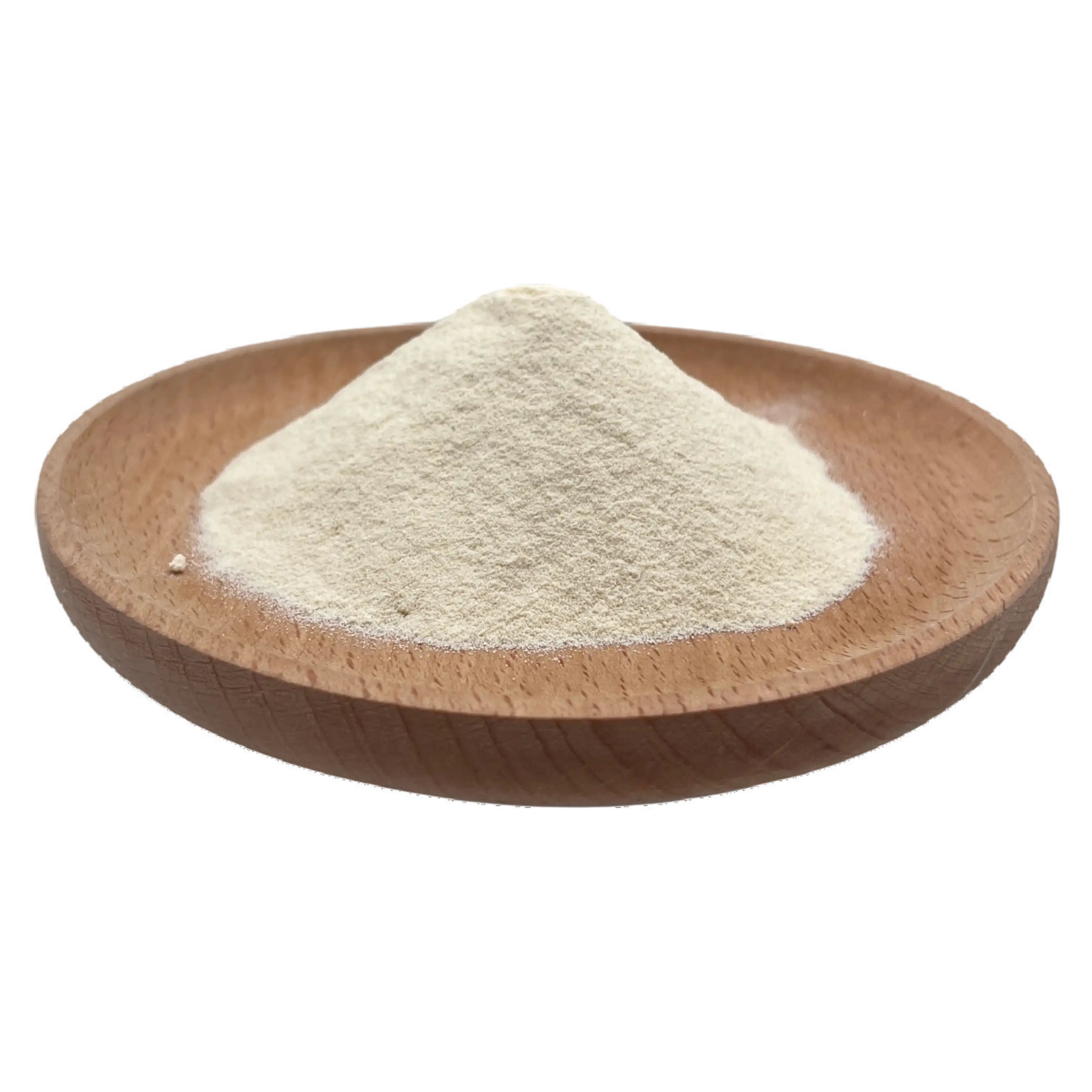
Oat peptides are short-chain bioactive protein fragments that are made by breaking down Avena sativa through controlled enzyme hydrolysis. That is because these small chemicals have an average molecular weight of less than 2,000 Daltons, which makes them much easier for the skin and body to absorb. Oat peptides are a useful and scientifically proven ingredient for cosmetics, haircare, dietary supplements, and mother-and-baby products. They have a protein content of at least 80%, a pH range of 5.0 to 6.5, and a clean white to light gray powder look. This book tells you everything you need to know to be a B2B buying worker.

Understanding Oat Peptides – Science and Nutrition
What Oat Peptides Actually Are
Hydrolyzed Oat Protein (CAS No. 151661-87-9) is another name for oat peptides. They are made when certain enzymes break down natural oat protein into short strings of amino acids. With this, you can make a fine powder that, when mixed with water, turns into a clear solution that you can see through. Formulators who think about how the end result looks should pay attention to this.
The Enzymatic Hydrolysis Process
Mild enzyme hydrolysis is the way to make it that leaves the amino acid makeup mostly the same while lowering the size of the molecules. There are several steps in this process that get rid of gluten residues and allergenic proteins. Because of this, the final item has less than 10,000 cfu/g of plate count and less than 1 ppm of heavy metals. They are written on every batch COA and are not just marketing claims.
Nutritional and Biochemical Profile
There are a lot of glutamine and proline in oat peptides. These are amino acids that help keep water in and fix structures that are broken. The amount of nitrogen in them is 13 to 15%, and the amount of water in them stays at or below 5%. It is very important for buying teams that are in charge of keeping formulations stable over long production runs that each batch is accurate. This narrow standard window makes that possible.
Key Benefits of Oat Peptides for Various Industries
Oat peptides can get to biological targets that bigger protein molecules can't because they are so small. This means they can be used for many types of products. The main reasons you should think about them for your next formulation are these:
- Oat peptides are less than 2,000 Daltons, which means they can get deeper into the stratum corneum than other proteins. They also keep the skin moist for a long time. They attract and hold water in the skin, even when the humidity level is low, and they also reduce the loss of water through the skin's surface (TEWL).
- Because they reduce inflammation, oat peptides are great for people with atopic or reactive skin because they soothe, heal, and strengthen the barrier. They put a protective, stretchy film over the broken tissue to help it heal without getting in the way of blood flow.
- The peptide fractions can get rid of DPPH radicals, which protects against free radicals. Supports claims that goods can slow down aging or protect against damage from the environment.
- Oat peptides stick well to damaged hair cortex when the pH level is normal, which is good for both hair and the head. They make the hair shaft stronger from the inside out and less stiff. They are also mild enough that people with sensitive scalps might not have any problems with wheat-derived peptides.
- Oat peptides get into the system faster than whole proteins, which helps muscles heal. They are used in sports nutrition and food supplements. Three important things about them in the US supplement market are that they are vegan, don't have any GMOs, and are Kosher.
Some of these benefits are better health, skin care, hair care, and nutrition for sports. For R&D teams that work on different types of products, one well-defined oat peptide material can be used for more than one line at the same time.
Comparing Oat Peptides with Alternative Protein Peptides
Oat Peptides vs. Collagen and Wheat Peptides
Animal collagen, which is hydrolyzed, may be more toxic for some groups of people. Another good thing about wheat peptides is that they come from plants. However, they can contain gluten, so they can't be used in items for kids or people with sensitive skin. Wheat peptides can't really be low in allergens because they come from plants and are gluten-free. BUT oat peptides can.
Oat Peptides vs. Soy and Rice Peptides
One of the eight most common allergens in the US is soy peptides. They are important, but they can also make people sick. So, brands need to be careful about what they put on them, or they could be sued. Because they are made up of amino acids, rice peptides are safe to eat but don't hold up as well in water. Premium markets are better served by oat peptides because they are safer, better at keeping skin hydrated, and can be labeled as "clean."
Powder vs. Liquid Form Considerations
It's easier to mix into dry-blend mixes and lasts longer in powder form, like the white to light gray powder from Le-Nutra (24 months if kept cool and dry). It also costs less per kilogram to ship. But they are heavier and less stable on the shelf, and they break down faster in water. For most large business-to-business sales, powder is packed in 15 kg or 25 kg brown paper bags with a food-grade upper cover.
Procurement Considerations for Oat Peptides
Supplier Credentials to Verify
Make sure you have all the paperwork you need, at least the COA, TDS, MSDS, and MOA, before you place a bulk order. It is important to check that the supplier is registered with the FDA, has ISO certification, and is Kosher certified. Because they cover different types of control that US and foreign markets need, you can't use these credentials as substitutes for other credentials. You can get all of these papers at Le-Nutra for any batch.
Quality Control Parameters That Matter
You should be careful when buying hydrolyzed oat protein. It should have aflatoxin B1 levels below 5 µg/kg, a molecular weight distribution of 2,000 Daltons (confirmed by GPC), at least 80% protein, and no yeast or molds growing on it (≤1,000 cfu/g). The ELISA R5 method must be used to check the product for gluten if it is meant to be gluten-free. These test results should be given by the supplier when asked; if they can't, they shouldn't move on to the next round of screening.
Pricing, MOQ, and Delivery Logistics
The price of oat peptide is based on the amount of oat grain that is used and how much it costs to process. Dealing with a direct manufacturer instead of a reseller most of the time helps procurement teams get a better idea of prices. Le-Nutra has a flexible minimum order quantity (MOQ) for trial orders and standard 15 kg/25 kg packaging for regular orders. They also offer different ways to send, such as EXW, FOB, CFR, CIF, DAP, and DDP. You can use Western Union, 100% T/T, or Alibaba International Trade Assurance to pay. Following confirmation of an order, the lead time is between 7 and 15 business days.
Best Practices for Incorporating Oat Peptides into Products
Formulation Guidelines for Cosmetics
Between 1% and 5% w/w of oat peptides can be added to the water phase of creams, lotions, and serums. Their pH range of 5.0 to 6.5 doesn't need to be changed for most skin care products to work. They quickly dissolve, so they won't cloud clear recipes. This is important for gel-type products and high-end essence serums.
Dosage and Application in Supplements
It has been found that bioactive peptides from plants can be useful in amounts as low as 300–500 mg per dose when used as an edible supplement. The final dose, though, will depend on how the supplement is made. Oat peptides are easy to dissolve, so they can be put into pills, mixed into stick packs, or added to functional drinks without having to worry about making them taste bad.
Regulatory Compliance and Documentation
For each kind of goods, there is a different way to follow the rules. Apps for cosmetics in the US have to follow FDA rules, and apps for dietary supplements have to follow 21 CFR Part 111 GMP rules. It is much easier for buyers to follow the rules when they buy from sellers who have all the necessary papers, like a Memorandum of Agreement and third-party lab tests. We pay extra attention to chemical safety paperwork for lines of products for moms and babies, so this is very important.
Conclusion
Oat peptides are a well-known and well-proven protein that can be used to care for your skin, hair, body, and baby. They are good for product developers in many industries because they have tight quality controls, a low allergen profile, and can be used in a lot of different formulations. Supply chain workers who want to add to or change their food supply should look for providers who can back up what they say with clear paperwork and regular batch performance.
FAQ
1. What is the difference between oat peptide and hydrolyzed oat protein?
Hydrolyzed oat protein is a general term describing oat protein that has undergone hydrolysis. Oat peptide is a more specific designation, typically referring to fractions with an average molecular weight at or below 2,000 Daltons. The smaller the molecular weight, the higher the bioavailability and skin penetration rate.
2. Is oat peptide safe for baby skincare products?
Yes. The low-allergen formula, strictly controlled gluten residue, and microbial specifications (total plate count ≤10,000 cfu/g, heavy metals <1 ppm) make oat peptides one of the more appropriate active ingredients for mother-and-baby product lines.
3. What certifications should I require from a supplier?
At minimum, request FDA registration, ISO certification, Kosher certification, and a full document package including COA, TDS, MSDS, and MOA. Third-party lab reports for each batch are a strong additional indicator of quality management.
4. Can oat peptide be customized for specific molecular weight ranges?
Yes. Suppliers with their own enzymatic hydrolysis production lines—such as Le-Nutra—can adjust hydrolysis parameters to produce oat peptides in targeted molecular weight ranges, supporting differentiated formulation strategies.
5. What is the standard shelf life and storage requirement?
Shelf life is 24 months when stored in a cool, dry environment away from direct light and heat. The product ships in food-grade inner plastic bags within kraft paper outer bags, in 15 kg or 25 kg units.
Partner with Le-Nutra for Certified Oat Peptide Supply
Le-Nutra operates a 60,000 m² production facility with 3,000 tons of annual capacity and over 14 years of experience in natural ingredient manufacturing. As a direct oat peptide supplier and manufacturer, we control every production step—from raw material selection through final QC—so you receive consistent, well-documented product every time. Free samples are available. Reach out to our team at enquiry@lenutra.com to request specifications and pricing.
References
1. Brody, T. (1999). Nutritional Biochemistry (2nd ed.). Academic Press.
2. Fabian, C., & Ju, Y. H. (2011). A review on rice bran protein: Its properties and extraction methods. Critical Reviews in Food Science and Nutrition, 51(9), 816–827.
3. Gibbs, B. F., Zougman, A., Masse, R., & Mulligan, C. (2004). Production and characterization of bioactive peptides from soy hydrolysate and soy-fermented food. Food Research International, 37(2), 123–131.
4. Lapolla, W., Huang, Y. J., Ho, D., Hutton, L., & Friedman, A. (2011). A review of the colloidal oatmeal history, chemistry and clinical properties. Journal of Drugs in Dermatology, 10(6), 585–590.
5. Rafique, S., & Bhinder, M. A. (2020). Bioactive peptides from oat (Avena sativa) and their potential health benefits: A review. Food Chemistry, 318, 126506.
6. Sathe, S. K., Liu, C., & Zaffran, V. D. (2016). Food allergy. Annual Review of Food Science and Technology, 7, 191–220.
Online Message
YOU MAY LIKE
High-quality Botanical Extracts, Functional Ingredients, And Nutraceutical Raw Materials Manufacturer And Supplier