Nov 4, 2026
Vine Tea Extract: Antioxidant Power for Modern Wellness Formulas
Vine tea extract powder is a plant-based source of flavonoids including dihydromyricetin (DHM) that is included in current wellness products and displays antioxidant activity in lab testing. We manufacture it from the leaves and stems of Ampelopsis grossedentata (previously published as Nekemias grossedentata ). We standardise it by HPLC to 50 to 98% DHM. Brands utilise it in capsules, sachets, drink mixes and skin care. It works best when the grade is appropriate, the label claims are compliant and each batch is sent with a chromatogram. This guide covers all three of them.

Understanding Vine Tea Extract Powder and Its Bioactive Profile
What Vine Tea Extract Powder Is and Where It Comes From
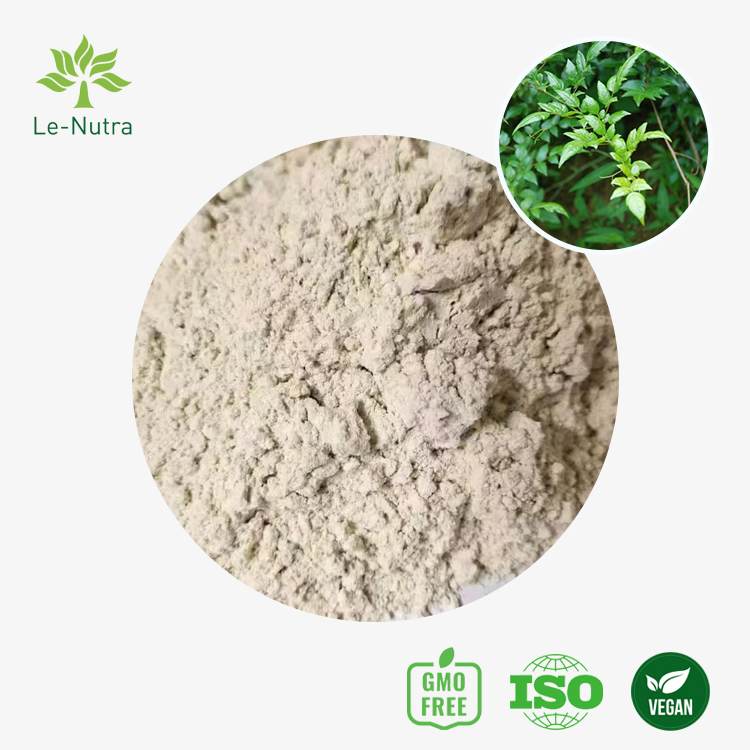
Vine tea is made from a woody vine that grows in the highlands of southern China, where its leaves have been steeped for centuries. Our Vine tea extract powder is produced from the leaves and stems of high altitude growth locations. We confirm the plant authenticity by microscopic inspection and chemical fingerprinting before processing. Water-ethanol extraction and chromatographic purification remove tannins and other chemicals affecting taste and solubility, while retaining as much DHM as feasible. The final substance has CAS No. 27200-12-0 and is called dihydromyricetin or ampelopsin. Being of plant origin, it is suitable for vegetarian and vegan formulations. Raw leaf powder, a standardised extract and pure DHM are all distinct materials, so always check what a quotation is for.
Grades, Appearance, and Core Specifications
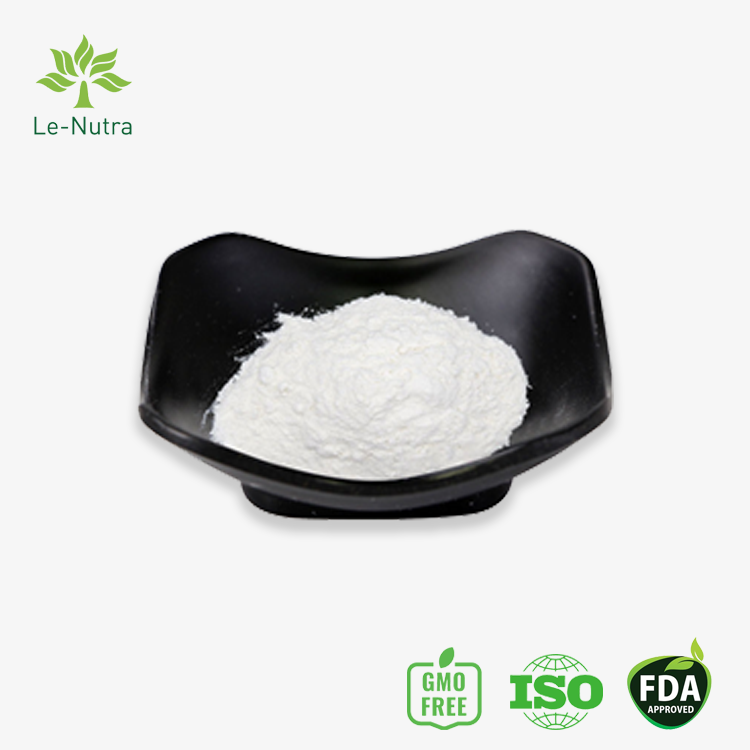
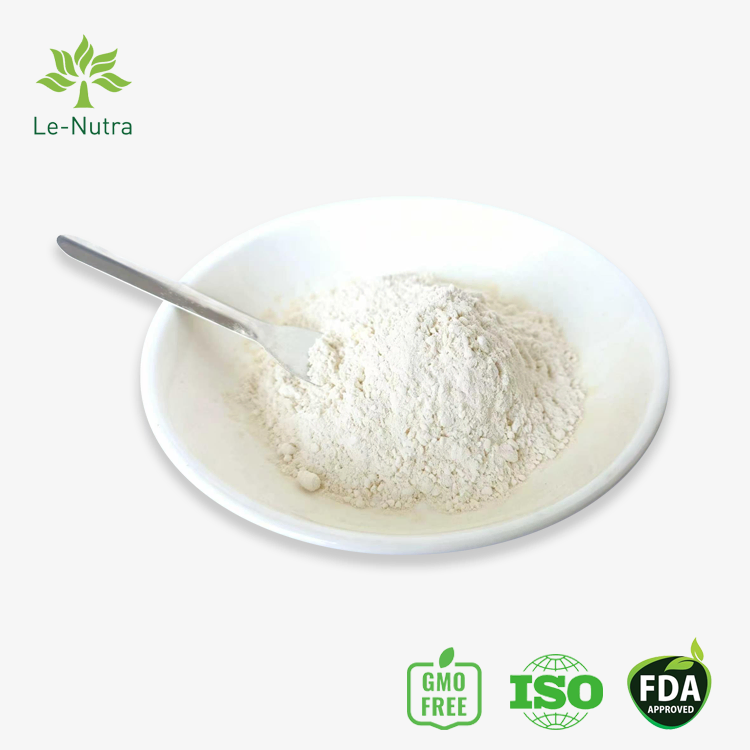
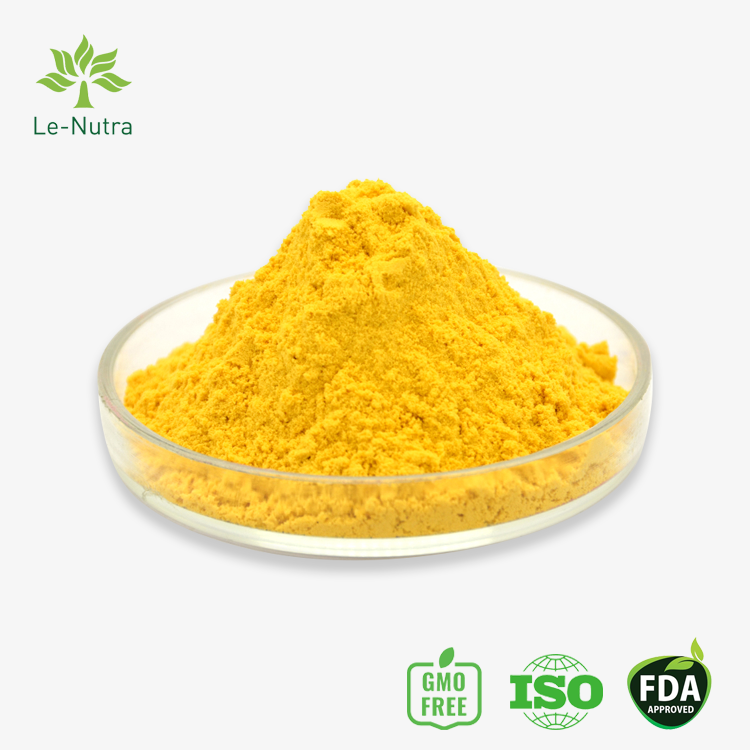
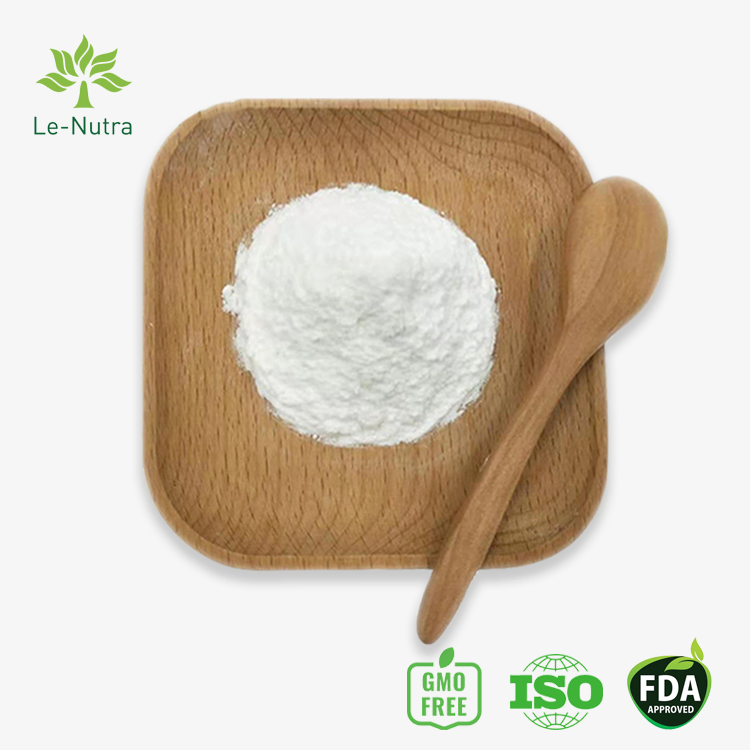
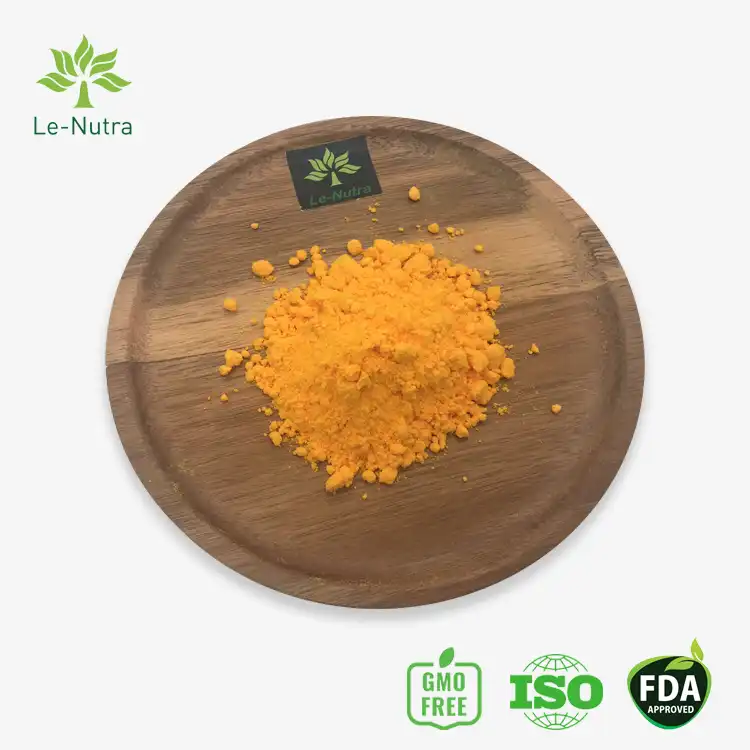
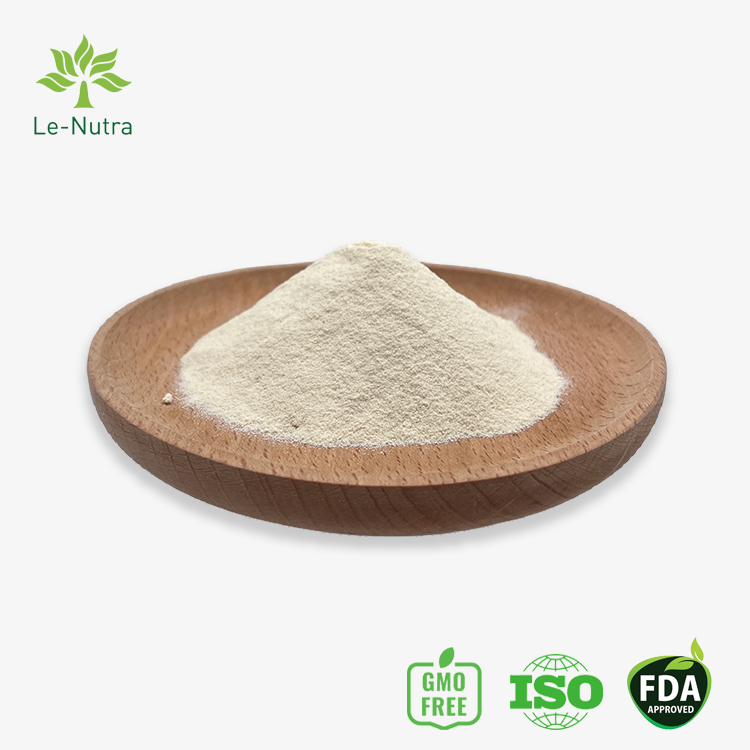
We provide vine tea extract powder with 50%-98% DHM using high performance liquid chromatography. In fact , the HPLC distinguishes DHM from related flavonoids like myricetin . So the proportion on the label is of DHM itself , not total polyphenols . The high purity grade is white or off-white powder, while lesser purities are more yellow. Our normal criterion is a minimum of 95% through 60 mesh, moisture not over 1.0% and ash not over 1.0%. For capsules and sachets where a clear label and low fill weight are important, a 98% grade of dihydromyricetin is suitable. Lower grades may be used in mixes when cost and taste are more important than purity. Ask for the chromatogram with each batch.
Antioxidant Properties and What the Evidence Shows
Antioxidant claims must have a clear source. The free radical scavenging activity of a molecule is assessed by laboratory assays such as DPPH and ABTS, and DHM is examined by these techniques. In 2015, Hou et al. demonstrated in a Life Sciences article that DHM protected cultured endothelium cells against hydrogen peroxide injury using mitochondrial mechanisms. These cell and animal data help characterise an element, but don’t establish a consequence in humans. Therefore, we call vine tea extract powder a substance with laboratory-tested antioxidant properties. We leave product-level claims to each business, with their own proof and legal scrutiny.
Formulation Considerations for Supplements, Beverages, and Skincare
Capsules, Tablets, and Sachets
The simplest forms for vine tea extract powder are capsules and stick packs. The consistency of your fill weight when using an automated encapsulator is dependent on the powder's flowability, bulk density and particle size. A lot with a varied particle size distribution may change capsule weight even if the DHM % is the same. We recommend asking for particle size data on each lot and testing fill weight on a brief run before going to scale. DHM tastes harsh and astringent which is more of a problem with sachets than capsules. Sweeteners and acids may aid in flavour masking. Our technical staff supports taste-masking and expedited stability work. We can customise DHM content and carrier systems to your dose strategy.
Beverages and the Solubility Question
Planning is especially important with clear liquids. DHM is weakly soluble in cold water, ∼0.2–0.45 mg/mL at 25 °C. A 250 mL drink with 200 mg DHM would reach 0.8 mg/mL, which is around two to four times the saturation threshold, thus haze or sediment might show up on the shelf. Ways to solve this include lower dosages , acidic pH , warm dissolution and complexing agents like cyclodextrin . Each will need a pilot test for turbidity, colour, and storage. Heat matters too: at roughly 100 °C, DHM might oxidise and not recover, so verify your sterilisation step. A spec sheet promising cold-water purity at high dosage does not match the chemistry of vine tea extract powder. We assist solubility experiments of beverage projects.
Skincare and Cosmetic Use
Vine tea extract powder is a plant-based antioxidant used by skincare makers in serums, creams and lotions. DHM is listed in the INCI system as DIHYDROMYRICETIN. The first difficulty is the colour, because a yellow powder can colour a white emulsion. Select a decolorised, low colour grade and enquire about availability. Then test for compatibility with your other actives like niacinamide or vitamin C over the pH range that you are targeting. Run stability experiments for a long enough time to detect modest colour change. Cosmetics teams also want figures, not summaries, so ask for specific ICP-MS heavy metal levels, microbiological limits and shelf life data. We provide ICP-MS testing and microbiological control to USP guidelines and can offer data that will meet your review checklist.

Quality, Documentation, and Compliance for Vine Tea Extract Powder Buyers
Batch Testing and Third-Party Verification
A purity number only counts if you can verify it. Our quality control is three-tiered, including TLC and HPLC fingerprinting of incoming raw material, monitoring of extraction parameters throughout processing and testing of the completed product against worldwide pharmacopoeia standards. Each batch comes with a COA, TDS and MSDS. We analyse heavy metals using ICP-MS. Our spec calls for lead at or below 2 ppm and arsenic at or below 2 ppm. The total plate count is at or less than 10,000 cfu/g and Salmonella is negative. Each batch is tested by a third party. We encourage purchasers to submit retained samples to their own lab. The fastest approach to verify that a labelled dihydro myricetin 98% matches the powder in the drum is to compare that chromatogram to ours.
Claims Boundaries Under DSHEA
Composition, testing and handling are covered in our papers. They don’t make illness claims, which is important for U.S. companies . A supplement may have a structure/function claim but not a claim to prevent or cure a disease under the Dietary Supplement Health and Education Act of 1994. The FDA regulation requires a warning within 30 days of the initial marketing of such a claim, with a standard disclaimer on the label. Saying anything like “prevents alcoholic liver damage” is a disease claim and should not appear on a supplement label or website. Studies such as the 2012 mouse publication in the Journal of Neuroscience on alcohol intoxication and the 2020 animal study in Alcoholism: Clinical and Experimental scientific represent scientific background, not label copy. Run your draft language by your regulatory expert before launching.
Samples, Packaging, and Delivery Terms
First take a sample. We provide free sample testing and samples are available in 1kg vacuum foil packs. Commercial orders are delivered in 25kg fibre drums, coated with two layers food grade polyethylene bags. Our minimum order size for vine tea extract powder is 25kg. Store in a cool dry location away from intense light and heat. Shelf life 24 months in original sealed packaging We quote EXW, FOB, CFR, CIF, DAP and DDP. So you may handle goods yourself or have it delivered to your door. We accept payment using 100% T/T, Alibaba International Trade Assurance orders, Western Union . Our export staff prepares the shipment documentation We have 30+ days of safety stock
Choosing a Vine Tea Extract Powder Supplier
Questions to Ask Before You Request a Quote
Good questions save you weeks. Request the plant part and botanical name. The term Ampelopsis grossedentata is also now spelt Nekemias grossedentata and regulatory reviewers compare names, word for word. Ask to view the chromatogram , not just the percentage . Ask what assay technique was used to get the DHM figure . Request heavy metal and microbiological values in numbers. Check whether a provider of vine tea extract powder has distinct prices for raw leaf powder, extract and purified DHM in the pricing list. Finally, test all promises against chemistry. A listing claiming cold water solubility without precipitation at high dosage is at odds with the solubility reported for DHM, and that gap reflects how technically attentive a provider is.
Direct Factory Supply and Customization
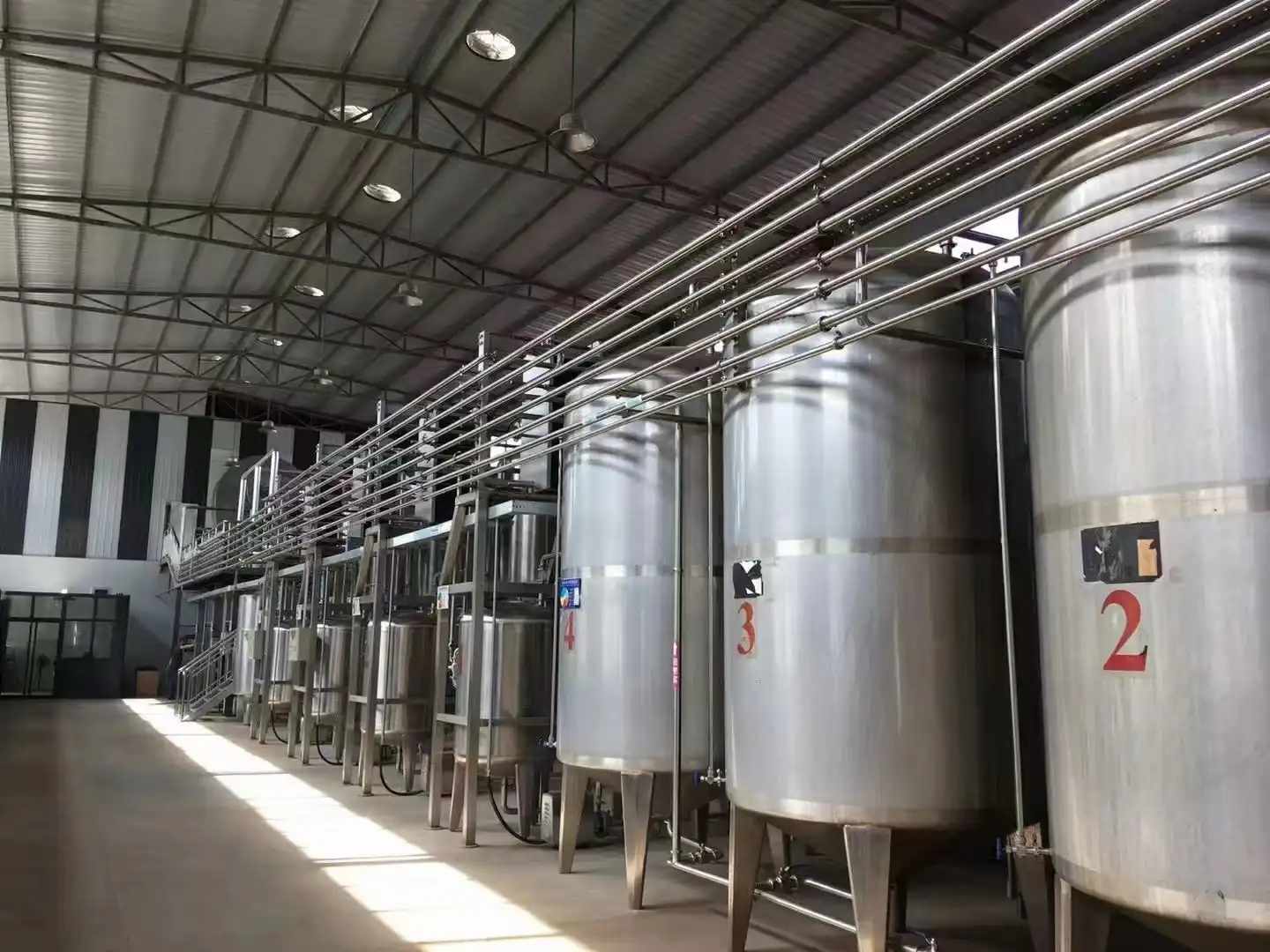
Le-Nutra has a 60,000 ㎡ GMP manufacturing base with six multipurpose extraction lines, with an annual capacity of 3,000 tonnes. More than 14 years of experience in botanical extraction. Our vine tea extract powder is made to specifications of 50%~98% DHM by ultrasonic extraction, membrane separation and spray drying. We make the ingredient ourselves, so we don’t have middlemen between your technical questions and the people running the lines. We provide OEM/ODM services for DHM content, particle size distribution, carrier systems, private label package design, and regulatory paperwork assistance. Traceability monitors each batch from farm to final packaging so you can answer retailer or platform queries promptly. 98% of worldwide orders are delivered on time.
From Pilot Order to Annual Supply
I suggest a phased approach. Take a sample and submit to a third party lab and compare the HPLC result to our COA. Then put a pilot order close to our 25 kilogram minimum, do a modest manufacturing batch, and save samples from each lot. Compare chromatograms, powder flow and capsule fill weight between batches to identify drift early. Then take a few months to observe returns and customer feedback before committing to higher volume. Results remain stable with a yearly supply agreement and regular shipments to preserve your launch calendar. Starting small is cheap and offers your legal, quality and formulation teams genuine facts to sign off on.
Conclusion
Vine tea extract powder is a plant ingredient with antioxidant activity, determined in the laboratory, headed by DHM, marketed in HPLC grades from 50% to 98%. Correct grading is format dependent. Powder flow must be constant and taste controlled for capsules and sachets; beverages have to deal with the restricted cold-water solubility and heat sensitivity of DHM; cosmetics requires low colour and thorough test data. Quality is verified by batch chromatograms, numerical limitations on contaminants and independent re-testing. DSHEA requires label language to keep within structure/function bounds; cell and animal research does not support illness claims. Careful supplier questioning and a stepwise approach from sample to pilot to yearly supply reduces the danger of purity gaps, haze and lot-to-lot drift.
FAQ
1. Is vine tea extract powder the same as dihydromyricetin?
Not always. Vine tea extract powder is a standardised extract from the leaves and stems of Ampelopsis grossedentata , and the major flavonoid of the product is DHM. All of our grades are 50-98% DHM by HPLC therefore check the assay on the COA before comparing pricing. “Raw leaf powder” is a separate substance from “purified DHM” with different dosages.
2. Does it dissolve in cold water?
Partly only. Clear beverages need dosage, pH and processing experiments prior to launch since DHM dissolves at about 0.2-0.45 mg/mL at 25 °C. Temperatures exceeding roughly 100 °C may also permanently oxidise DHM.
3. What are the minimum order and storage conditions?
Minimum order 25 kg in a fibre drum with twin liners of food grade polyethylene. Store in a cool, dry place, away from bright light and heat. Shelf life in original packaging: 24 months. Free sample testing provided. Samples are in vacuum foil packets of 1kg.
Request a Vine Tea Extract Powder Sample or Bulk Quote
Do you want a vine tea extract powder provider to reply to your technical queries in detail? DHM grades from 50% to 98%. Minimum order 25 kg. Batch documentation available. Flexible delivery periods. Send us your application, dosage form, goal DHM level, yearly volume and destination to enquiry@lenutra.com and we will react with specs and a quotation. You may also see our selection at lenutrabio.com. References
References
1. Journal of Neuroscience (2012): Shen Y, et al. "Dihydromyricetin as a novel anti-alcohol intoxication medication."
2. Alcoholism: Clinical and Experimental Research (2020): Silva J, et al. "Dihydromyricetin protects the liver via changes in lipid metabolism and enhanced ethanol metabolism."
3. Life Sciences (2015): Hou X, et al. "Dihydromyricetin protects endothelial cells from hydrogen peroxide-induced oxidative stress damage by regulating mitochondrial pathways."
4. World Journal of Gastroenterology (2015): Xie J, et al. "Dihydromyricetin alleviates carbon tetrachloride-induced acute liver injury via JNK-dependent mechanism in mice."
5. U.S. Congress (1994): Dietary Supplement Health and Education Act of 1994.
6. U.S. Food and Drug Administration (2002): Small Entity Compliance Guide on Structure/Function Claims.
Online Message
YOU MAY LIKE
High-quality Botanical Extracts, Functional Ingredients, And Nutraceutical Raw Materials Manufacturer And Supplier