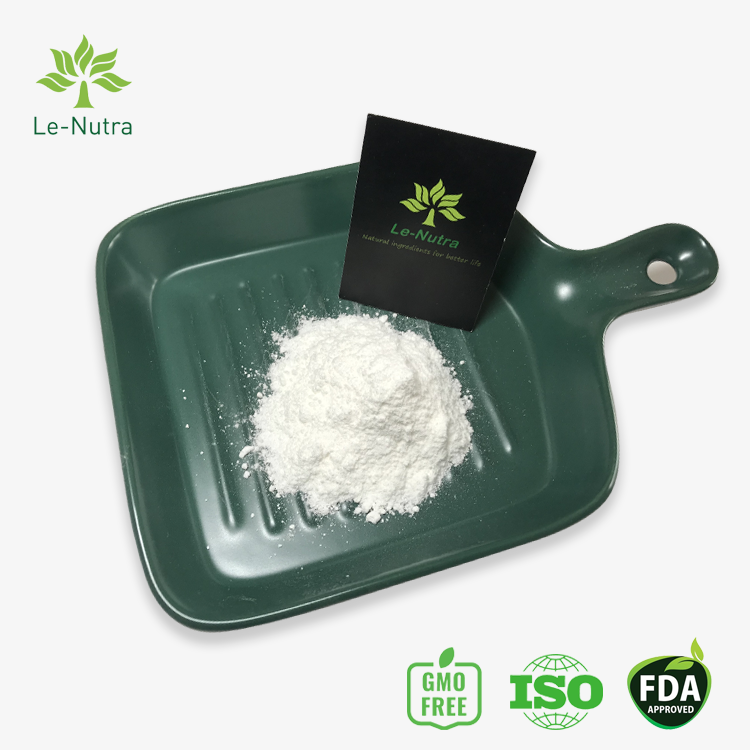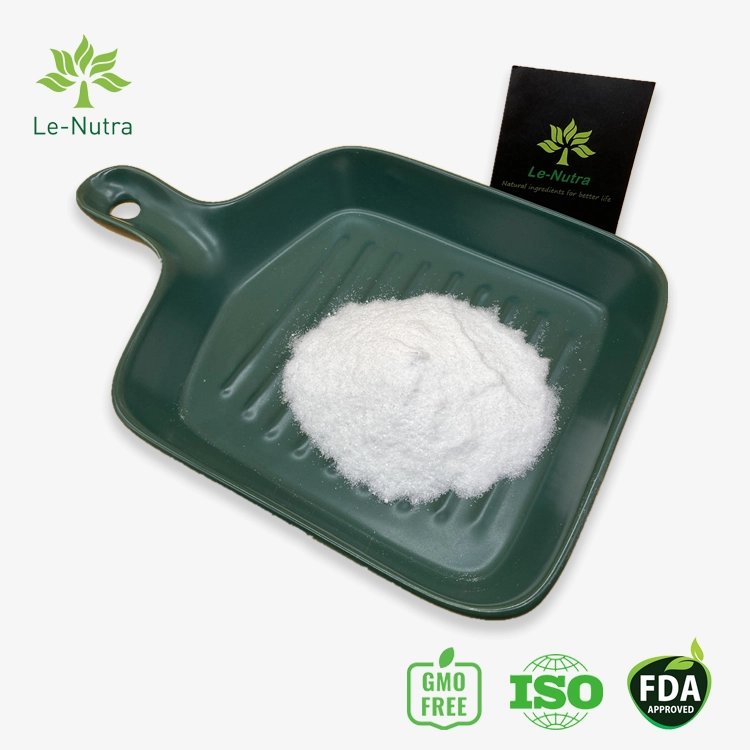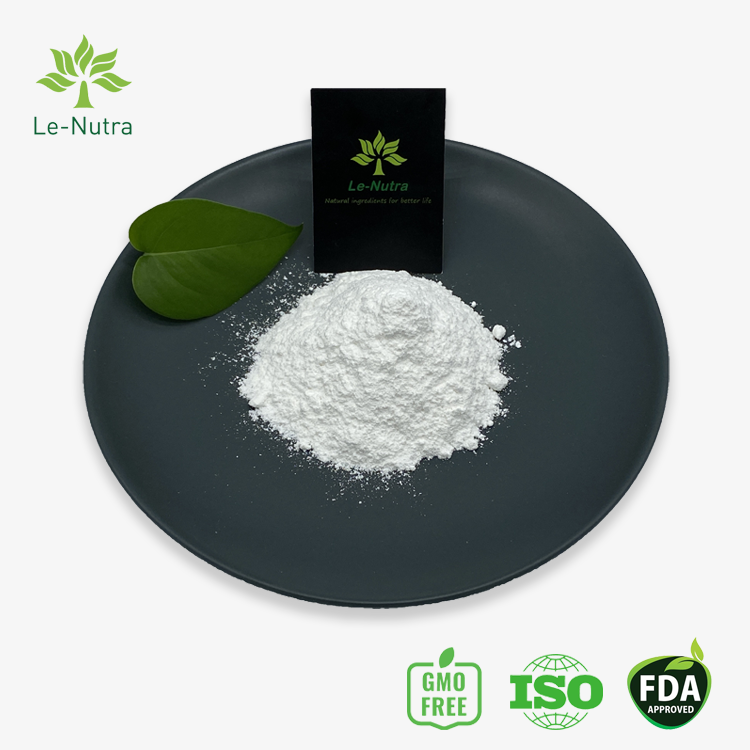
Retinoic Acid Powder
Description
Pharmaceutical Grade Retinoic Acid Powder – High-Purity API for Dermatological & Oncological Applications
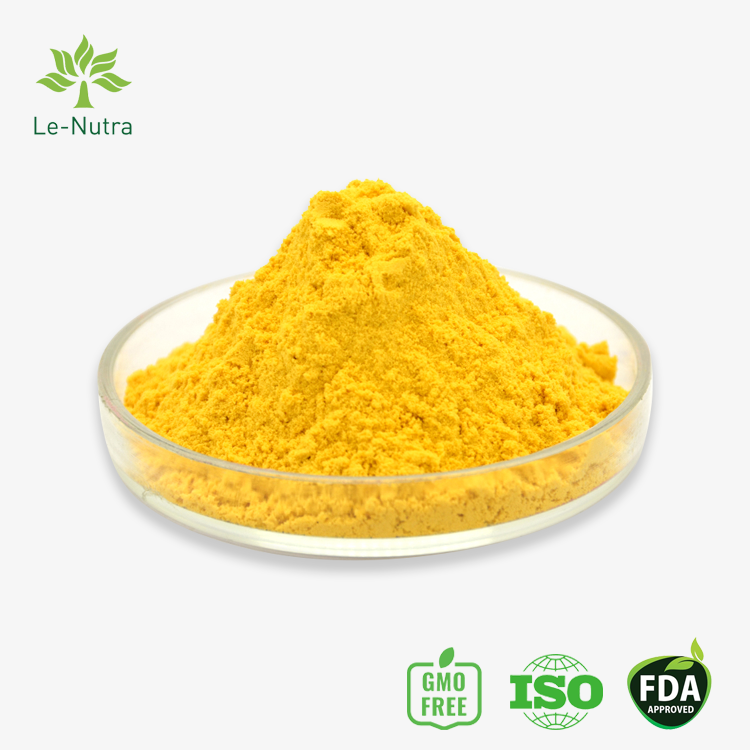
Xi'an Le-Nutra Ingredients Inc. offers Pharmaceutical Grade Retinoic Acid Powder, tested purity ≥99%, produced in our 60,000㎡ GMP-certified facility. We have more than 14 years of experience in active pharmaceutical ingredient manufacturing. We have a solid 3,000-ton annual capacity and six multi-functional lines to ensure batch uniformity, strict light-temperature-oxygen control protocols and total traceability. We have processing zones in our production environment where the temperature is less than 15°C with nitrogen blanketing so we have a steady supply of dermatological APIs, acute promyelocytic leukaemia (APL) medicines and R&D institutes requiring CAS 302-79-4 reference standards with complete compliance paperwork.

Technical Specifications & Quality Parameters
Understanding precise specifications is crucial for integrating this photosensitive chemical into formulations or clinical investigations. The certified technical parameters are given below:
| Parameter | Specification |
|---|---|
| CAS Number | 302-79-4 |
| Molecular Formula | C₂₀H₂₈O₂ |
| Molecular Weight | 300.44 g/mol |
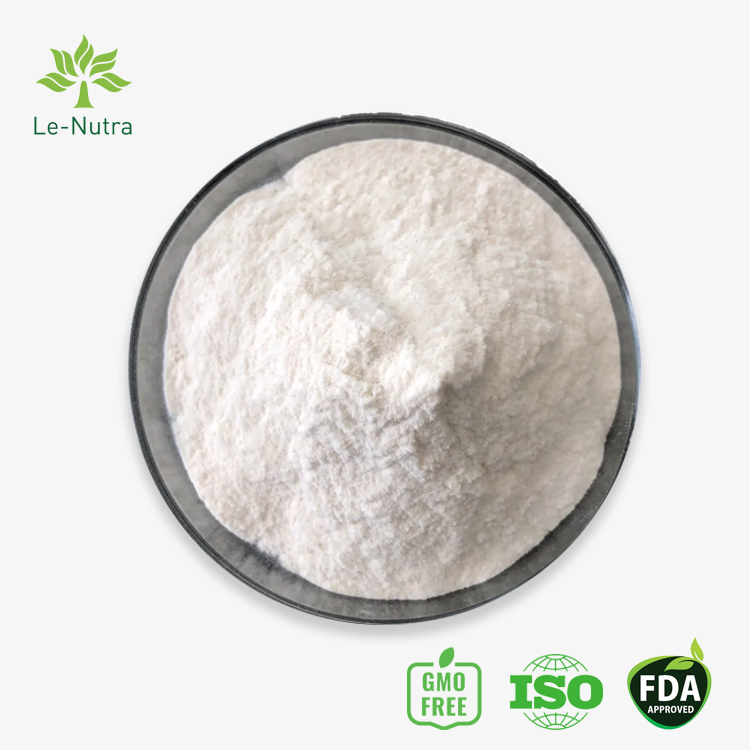
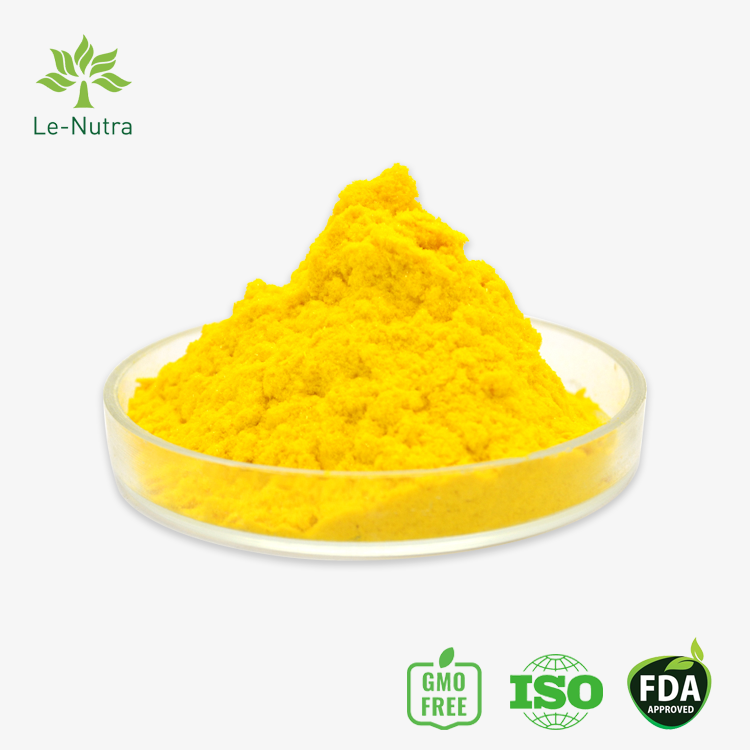
| Appearance | Yellow to light-orange crystalline powder |
| Assay (HPLC) | ≥99.0% |
| Loss on Drying | ≤5.0% |
| Heavy Metals | ≤10 ppm |
| Lead (Pb) | ≤2.0 ppm |
| Arsenic (As) | ≤2.0 ppm |
| Mercury (Hg) | ≤2.0 ppm |
| Cadmium (Cd) | ≤2.0 ppm |
| Total Plate Count | ≤1,000 cfu/g |
| Yeast & Mold | ≤100 cfu/g |
Each batch undergoes rigorous testing with accompanying Certificates of Analysis (COA), Technical Data Sheets (TDS), Material Safety Data Sheets (MSDS), and HPLC chromatograms for regulatory submission.

Tretinoin is a selective retinoic acid receptor (RAR) agonist, which has multi-level biological control at the level of cellular transcription. It binds to the nuclear receptors RAR-alpha, RAR-beta and RAR-gamma to regulate gene expression that controls cell proliferation, differentiation and programd cell death.
In dermatological applications, the chemical increases keratinocyte differentiation and accelerates epidermal turnover. It reduces the stickiness of the follicular epithelial cells and opens blocked pilosebaceous follicles, hence preventing comedone formation. It also increases fibroblast collagen synthesis and inhibits matrix metalloproteinases, improving photoaging indicators .
In oncological applications, the product causes terminal differentiation of malignant promyelocytes of APL patients with PML-RARA fusion proteins. This differentiation therapy is a corner stone to achieve complete remission rates >90% when paired with arsenic trioxide procedures.
Pharmaceutical & Dermatological Application Scenarios
Your formulation development benefits from understanding the precise clinical circumstances where this API offers measurable therapeutic outcomes.
Topical Acne Treatment Preparations: Incorporated into creams, gels, and solutions at concentrations ranging from 0.01% to 0.1%, it normalizes follicular keratinization. You'll witness reduction in both inflammatory and non-inflammatory lesions within 8-12 weeks of constant use. The compound's capacity to clear pores while lowering sebum oxidation makes it a gold-standard substance.
Photoaging & Pigmentation Correction: When compounded into anti-aging serums and corrective treatments, it targets fine wrinkles, patchy hyperpigmentation, and rough texture. It suppresses tyrosinase activity and increases melanin-containing keratinocyte shedding, delivering visible improvements in skin tone uniformity.
Keratosis Pilaris Adjunctive Therapy: The keratolytic properties assist in treating follicular hyperkeratosis, smoothing the typical rough patches associated with this ailment.
APL Differentiation Induction: Active ingredient of an oral capsule formulation (usually 10-45 mg/m2 body surface area per day) as a prescription pharmaceutical intermediary for the induction of remission in individuals with acute promyelocytic leukaemia.
Manufacturing Excellence & Stability Assurance
You need to tightly monitor the environment through production to keep your supply chain reliable. Retinoic Acid Powder is highly susceptible to photodegradation, heat degradation and oxidative disintegration. All our processing is done under amber illumination with wavelength filtration and at processing temperatures below 15°C.
All grinding, sieving and packaging procedures are nitrogen blanketed, to prevent any oxygen exposure. The isomerisation from all-trans to cis configurations is prevented by immediate transfer to light-resistant, double-lined polyethylene bags inside fibre drums. This protection is complete and preserves structural as well as biological activity.
Storage Storage at -20°C under inert gas in light-proof, sealed containers is suggested. Under these conditions the shelf life of the product is 24 months with less than 5% deterioration. For short-term R&D use, storage at temperatures below 15°C in dark, dry settings will suffice for up to three months.
Customization & OEM/ODM Capabilities
We understand that your project may require certain changes that we do not normally supply. Our R&D team provides assistance in formulation for various dosage forms such as microencapsulation for stability, solubilisation techniques for bioavailability and combination formulations with complimentary actives.
If you require 1 kilogram for pilot research or over 500 kg for commercial production, we can manufacture to your timeframe. Private label, unique packaging configurations and specification revisions are aligned with your market positioning plan.
Compliance & Documentation Support
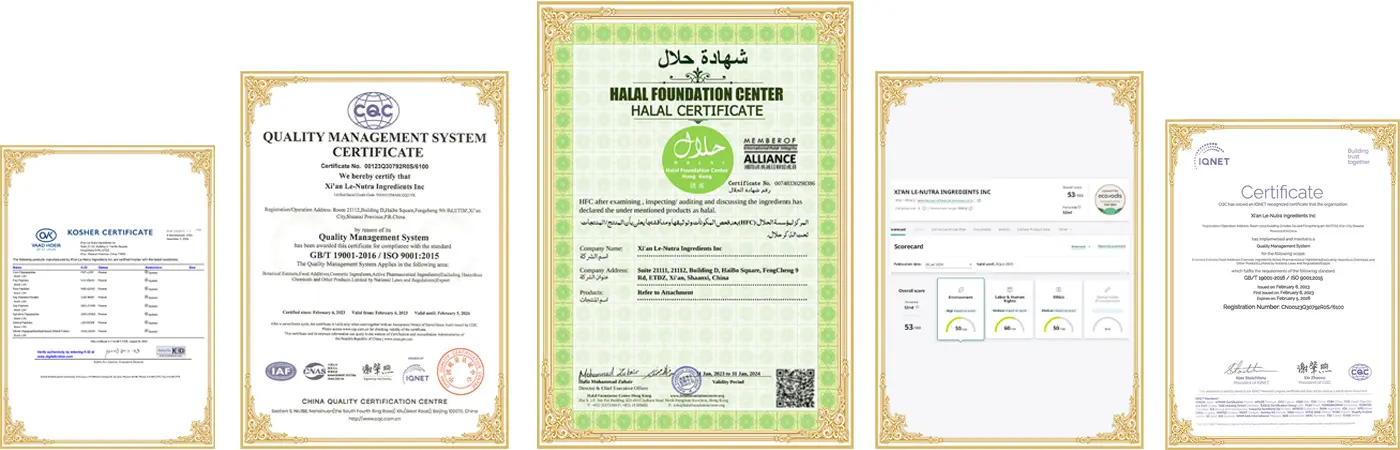
The key to regulatory channels is the completeness of the paperwork. We give complete batch records, stability data, method validation processes, impurity profiles in accordance with the pharmacopoeias monographs. Our quality management system is compliant to GMP, ISO and FDA criteria to support you with your Drug Master File (DMF) submissions or cosmetic ingredient registrations.
Third party testing can be arranged through SGS, Eurofins or other authorised laboratories to meet specific market entry requirements in North America, European Union or Asia Pacific areas.
Global Supply & Partnership Support
Our extensive logistics network services pharmaceutical businesses, research institutions and contract manufacturers throughout North America, Europe and the Asia-Pacific regions. We have a safety reserve of over 30 days to protect ourselves against supply disruptions and this results in 98% on-time delivery rates.
Flexible minimum order quantities to enable R&D research and commercial scale production. We offer sea freight, air cargo and express courier alternatives to match your urgency and cost parameters, with temperature-controlled delivery to preserve cold-chain integrity.
Packaging Configurations
Bulk packaging is supplied in 25 kg fibre drums with double layer food grade polyethylene interior and light resistant exterior shells. The product is offered for research and development purposes in 1 kg, 5 kg and 10 kg volumes in vacuum-sealed aluminium foil bags with resealable closures and desiccant packets.
All packaging is labelled with batch identification, expiration dating, storage instruction symbols and hazard communication pictograms in accordance with GHS guidelines.
FAQ
Q: How is the stability of the product ensured during storage and production?
A: The chemical is light, heat and oxygen sensitive and hence requires very strict supervision. Across all our operations we use amber-filtered lighting, temperatures below 15°C and nitrogen protection. It is recommended to store at -20°C under inert gas in sealed, light-proof containers. Stability data are available to support a shelf life of 24 months.
Q: What are the typical concentration ranges for topical dermatological formulations?
A: Prescription topical formulations typically are in the range of 0.01% to 0.1%, depending on the therapeutic goal and intended patient population. Lower concentrations (0.01-0.025%) are appropriate for sensitive skin or those just beginning to use it, and 0.05-0.1% for moderate to severe acne or considerable photoaging.
Q: Is this substance usable in cosmetic products?
A: The classification as a drug is jurisdiction-dependent. In many areas, tretinoin remains an ingredient that may only be obtained with a prescription, reserved for licensed pharmaceutical producers. Some areas allow very low levels in cosmetics but you need to check your local laws before formulating.
Q: What safety precautions must be observed during handling and formulation?
A: Women of reproductive potential should use effective contraception during treatment and for at least 3 months following termination of the drug because of teratogenic concerns. Because photosensitivity requires warnings about sun protection for topical treatments. This API is only available to qualified pharmaceutical companies working on legal formulation development.
Q: How does your product compare to synthetic sources vs natural extraction?
A: Our product is synthesized through controlled chemical processes, ensuring consistent molecular structure, purity, and absence of botanical contaminants. The present synthetic approach offers better batch-to-batch consistency compared to the semi-synthetic derivatives obtained from natural sources of retinol.

Partner With a Trusted API Manufacturer
Contact our team at enquiry@lenutra.com to discuss your specific requirements and discover how our pharmaceutical-grade Retinoic Acid Powder advances your formulation goals.
Online Message
YOU MAY LIKE
High-quality Botanical Extracts, Functional Ingredients, And Nutraceutical Raw Materials Manufacturer And Supplier