Nov 3, 2026
What are the Health Benefits of Ashwagandha Extract?
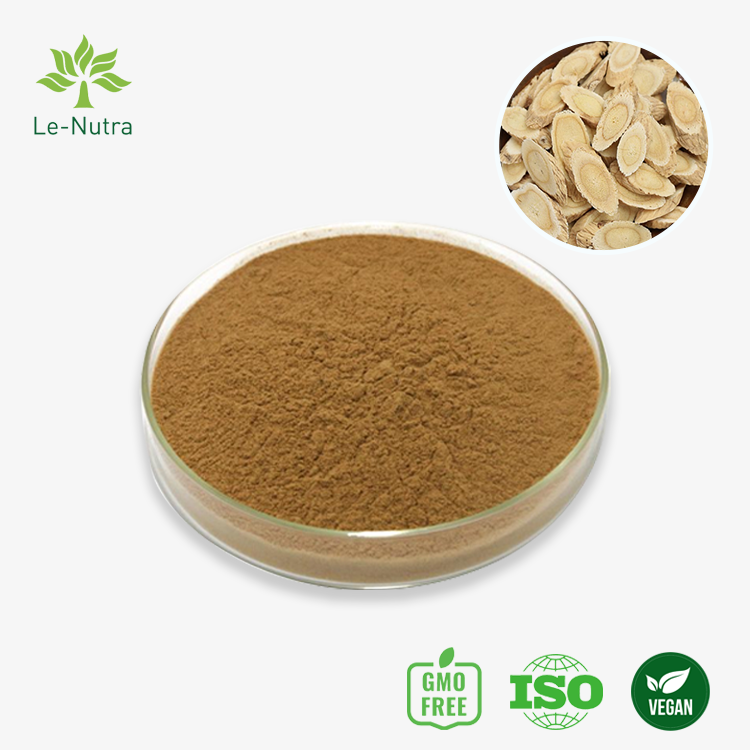
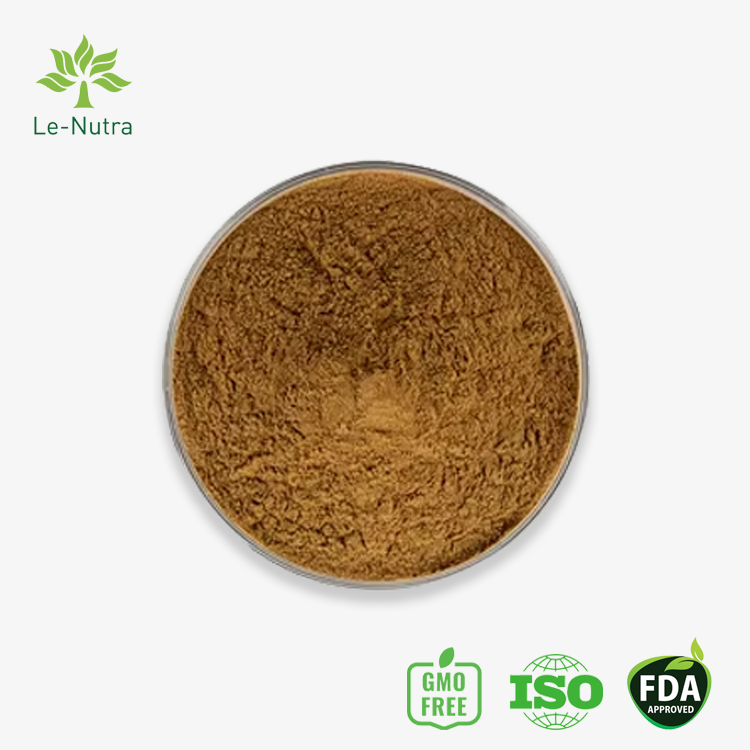
Ashwagandha extract powder has become one of the most talked-about botanical ingredients in the dietary supplement industry, and justifiably so. It is a brownish-yellow fine powder obtained from the roots of Withania somnifera, and has been used in Ayurvedic medicine for centuries, with a growing body of clinical data to support it. Product development teams at supplement manufacturers are latching onto it because it covers a number of consumer health goals — stress, sleep, cognition and immunity — in a single well-documented ingredient.
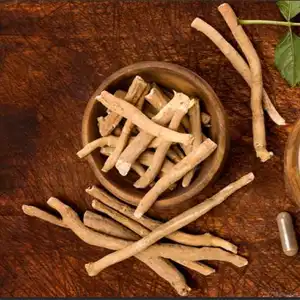
Understanding Ashwagandha Extract Powder
Before you pick a raw material for your next recipe, it’s useful to understand precisely what makes a standardized extract different from a plain root powder, and why that difference is important at scale.
Extract vs. Root Powder: A Practical Difference
Root powder is the entire root dried and milled without a concentration stage. A standard ashwagandha extract powder takes out the inactive fibers and concentrates certain bioactive ingredients to a known amount. This makes sure that the amount of active withanolides in each pill or dose stays the same and can be measured. This is an important part of proving treatment claims and making sure that cGMP production is consistent from batch to batch.
Key Bioactive Compounds: Withanolides
Withanolides are the steroidal lactones responsible for much of the known physiological action of the root. Le-Nutra provides three standard concentrations of 2.5%, 5% and 10% that are validated by USP HPLC techniques. HPLC tests for each particular ingredient, Withaferin A, Withanolide A and Withanone, separately. This is far more accurate than gravimetric or UV techniques which may overestimate overall withanolide concentration by assessing inactive compounds as well as active molecules.
High-Potency vs. Standard Grades
The 5% and 10% grades of withanolide enable formulation teams to achieve the clinically tested range of 300–600 mg per day in a single capsule. Lower potency ratings mean more capsules per serving, which drives the cost of products and the consumer’s pill burden—two results that product directors deliberately want to avoid.
Key Health Benefits of Ashwagandha Extract Powder
There are several ways that ashwagandha withanolides powder is good for your health. Here is a list of what the latest clinical and experimental evidence backs up, starting with the good things.
Stress and Cortisol Reduction
There are several double blind placebo controlled trials showing that withanolides modulate the HPA axis and thereby decrease the blood levels of cortisol. Taking 240 mg of a standard extract daily resulted in significantly lower morning cortisol levels and improved stress scale scores than taking a placebo extract. The findings was published in the journal Medicine in 2019. This is the primary label claim driver for firms that produce stress-support SKUs.
Sleep Quality and Nervous System Support
It calms your nerves so you sleep longer and better, but it does not make you tired in the morning. That's why it's great for sleep aids that work alone or with L-theanine or magnesium glycinate. The North American sleep product supplement industry continues to increase yearly. If your recipe incorporates a scientifically dosed adaptogen, then your marketing team will have genuine information to work with.
Cognitive Function and Neuroprotection
Withanolides help neurotransmitters work right and protect neural circuits from electrophilic harm. A study published in the Journal of Dietary Supplements in 2017 found that memory, processing speed, and executive function all got better after eight weeks of taking supplements. Ashwagandha that has been standardized can be used as an ingredient in high-priced goods for workers and older people that help with cognitive health.
Immune Modulation and Anti-Inflammatory Activity
Withanolides help cells fight inflammation and keep key signs of inflammation in check. This means that ashwagandha extract can be found in goods that help the body heal, immunity mixes for different times of the year, and daily health recipes. One of the benefits of the anti-inflammatory method is less inflammation after working out, which makes it important for sports diets as well.
Hormonal Balance and Endocrine Support
The adaptogenic effect of ashwagandha helps hormones work better. It may be good for your metabolism, the health of your thyroid, and the balance of your sexual hormones, according to studies. This makes it easier to reach more people who are interested in both health lines for men and women and lines for general hormone balance.
Usage Guidelines and Safety Considerations
Getting the dosage right is not just a safety matter—it directly affects product efficacy claims and regulatory standing in the US market.
Recommended Dosage Ranges
Clinical studies on stress management and hormonal support consistently use 300–600 mg daily of a high-concentration extract with withanolides above 5%, verified by HPLC. Lower-concentration extracts require proportionally larger doses to achieve the same withanolide intake, which is why the 5% and 10% grades are the preferred specification for most product development teams working to a single-capsule serving format.
Delivery Format Considerations
Ashwagandha extract acts via many delivery mechanisms . It's still possible to get a lot of vitamins in pill and tablet form. For functional drinks and wellness shots, it's important that the grades mix well with water. Regular extracts will make clear liquid applications settle and become cloudy. For people who make drinks, a level of 5% withanolide is the best balance between not changing the taste too much and being able to back up what the label says.
Safety Profile and Contraindications
The extract is well-tolerated at clinical doses in healthy adults. Contraindications include pregnancy, thyroid disorders under active medication management, and autoimmune conditions. Root-only material—as opposed to leaf extract, which carries higher Withaferin A levels—has a safer and better-documented regulatory profile in the United States. Product development teams should ensure their supplier uses root exclusively, not aerial parts.
Comparing Ashwagandha Extract Powder to Other Products
There are different kinds of ashwagandha roots. The decision about where to get the product affects how well it works, how accurate the labels are, and how well the supplier qualifies.
Extract Powder vs. Whole Root Powder
Whole root powder offers a full-spectrum phytochemical profile but delivers inconsistent withanolide content batch to batch. A standardized ashwagandha extract powder solves this by guaranteeing a minimum withanolide percentage per the COA. For any product making a stress or sleep claim that a marketing or regulatory team needs to defend, the extract is the only defensible choice.
Powder vs. Capsule Formats from a Procurement Standpoint
The raw extract powder is the most flexible for the procurement teams. It may be made into capsules, pills, gummies, sachets or drinks. Pre-filled/pre-encapsulated forms are less flexible and generally more expensive per serving. The normal operating procedure for mid-sized supplement firms is to buy bulk ashwagandha extract powder and encapsulate it in-house or via a contract manufacturer.
Organic vs. Conventional Grades
The organically certified material costs more, but it backs up claims that finished items are non-GMO, clean label, and organically certified. Most of the major US supplement brands are fine, as long as they use standard grades that meet USP purity standards and heavy metal testing that doesn't go too far beyond what's allowed by California Prop 65. It depends on the selling route you want to use and how you want to set your prices.
Procurement and Sourcing Insights for B2B Clients
Before giving a supplier of ashwagandha raw materials the green light, procurement teams should check that the following are met:
- HPLC method alignment: Confirm the supplier uses USP HPLC, not gravimetric or UV, to measure withanolides. This protects label claim accuracy.
- Heavy metal documentation: ICP-MS testing per batch, with results compliant with California Prop 65 limits for lead, arsenic, cadmium, and mercury.
- Residual solvent testing: Must comply with USP <467>. For hydro-ethanol extracts, ethanol residuals should fall within Class 3 solvent limits.
- Microbial specification: Total plate count ≤ 1,000 cfu/g, yeast and mold ≤ 100 cfu/g, with negative results for E. coli and Salmonella.
- Certification documents per batch: COA, TDS, MSDS, and applicable third-party certifications (ISO, GMP, HACCP, Halal, SGS) should accompany every commercial shipment.
These five things should be able to be done by suppliers all the time, not just on the first sample lot. Only then should you bring them in for a supplier approval check. It's also important to have stock all year and a 98% on-time delivery rate when you're in charge of a product launch timeline.
Conclusion
Ashwagandha extract that has been standardized to a certain amount of ashwagandha extract withanolides is one of the best and most researched adaptogens used to make supplements today. There are many of high growth consumer groups that understand the advantages, from decreasing cortisol and obtaining better sleep to immune system function and brain health. Product development teams must choose among such specifications as the quantity of withanolide, the particle size, the HPLC proof and the solubility profile. What you pick will directly affect whether the product delivers on its promise. With a transparent quality system that has complete per-batch documentation, the manufacturer can reduce risk throughout the product development cycle.
FAQ
1. What is the difference between ashwagandha extract powder and root powder?
Root powder is the dried, milled whole root without concentration. Standardized extract removes inactive material and guarantees a specific withanolide percentage per HPLC testing. For dosage accuracy and label claim support, extract is the appropriate choice for dietary supplement manufacturing.
2. Why does HPLC testing show lower withanolide percentages than UV or gravimetric methods?
HPLC separates and measures specific active compounds individually. UV and gravimetric methods measure a broad group of compounds, including inactive ones, producing inflated numbers. HPLC results are clinically accurate and the accepted standard for B2B transparency.
3. Is ashwagandha extract heat-stable during processing?
Yes. The extract is stable up to 120 °C for short time periods, which is sufficient for the common gummy production and spray-drying procedures when used under suitable processing circumstances.
4. What certifications should I request per shipment?
Baseline requests include COA, TDS, MSDS, GMP audit report, ISO certificate, HACCP paperwork, and Halal certification. SGS testing results and FDA registration confirmation further prove conformity to US market.
5. What is the recommended storage condition?
Store in a cool, dry and dark place away from direct sunlight and excessive temperature. Shelf life is 24 months in the original unopened package.
Request Samples or a Bulk Quote from Le-Nutra
3.5%, 5%, and 10% withanolides types of ashwagandha extract powder are available from Le-Nutra. The USP HPLC has checked all of these out, and they all come with full batch paperwork. We are a trusted company that makes ashwagandha extract powder. We have been extracting plants for over 14 years and have a 60,000 m² production center. We ship all year and reach North America and other places 98% of the time. Send your requirements or ask for a sample to enquiry@lenutra.com or go to lenutrabio.com to start the clearance process.
References
1. Chandrasekhar, K., Kapoor, J., & Anishetty, S. (2012). A prospective, randomized double-blind, placebo-controlled study of safety and efficacy of a high-concentration full-spectrum extract of Ashwagandha root in reducing stress and anxiety in adults. Indian Journal of Psychological Medicine, 34(3), 255–262.
2. Choudhary, D., Bhattacharyya, S., & Joshi, K. (2017). Body weight management in adults under chronic stress through treatment with Ashwagandha root extract. Journal of Evidence-Based Complementary & Alternative Medicine, 22(1), 96–106.
3. Pratte, M. A., Nanavati, K. B., Young, V., & Morley, C. P. (2014). An alternative treatment for anxiety: A systematic review of human trial results reported for the Ayurvedic herb Ashwagandha (Withania somnifera). Journal of Alternative and Complementary Medicine, 20(12), 901–908.
4. Wankhede, S., Langade, D., Joshi, K., Sinha, S. R., & Bhattacharyya, S. (2015). Examining the effect of Withania somnifera supplementation on muscle strength and recovery. Journal of the International Society of Sports Nutrition, 12, 43.
5. D., Kanchi, S., Salve, J., Debnath, K., & Ambegaokar, D. (2019). Efficacy and safety of Ashwagandha (Withania somnifera) root extract in insomnia and anxiety. Medicine, 98(37), e17186.
6. Pingali, U., Pilli, R., & Fatima, N. (2014). Effect of standardized aqueous extract of Withania somnifera on tests of cognitive and psychomotor performance in healthy human participants. Pharmacognosy Research, 6(1), 12–18.
Online Message
YOU MAY LIKE
High-quality Botanical Extracts, Functional Ingredients, And Nutraceutical Raw Materials Manufacturer And Supplier