Aug 11, 2026
What Does Azelaic Acid Do for Your Skin?
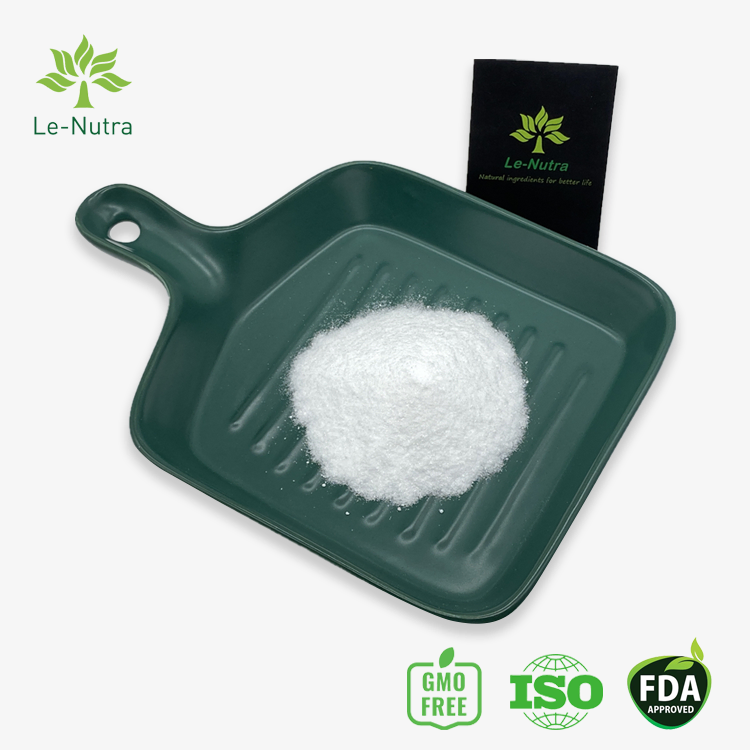
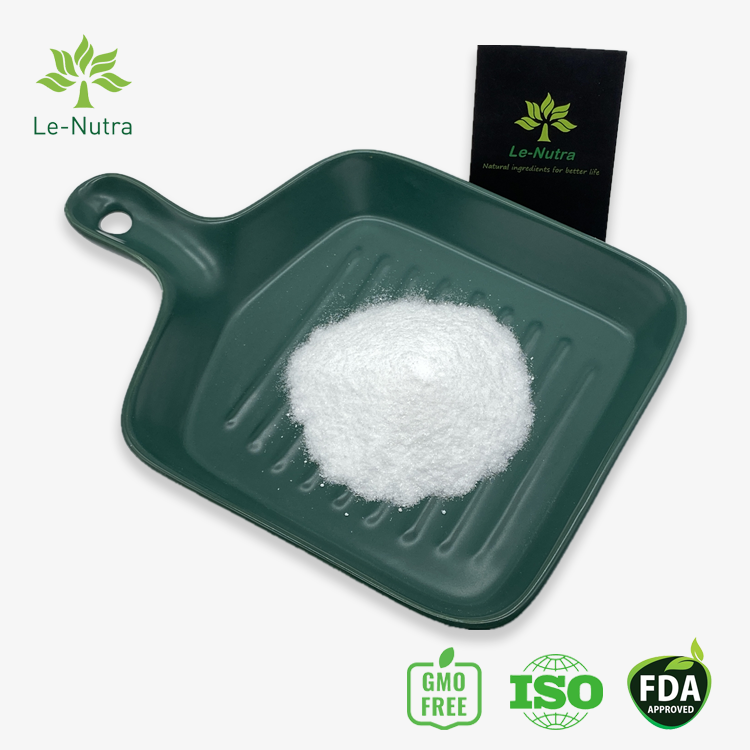
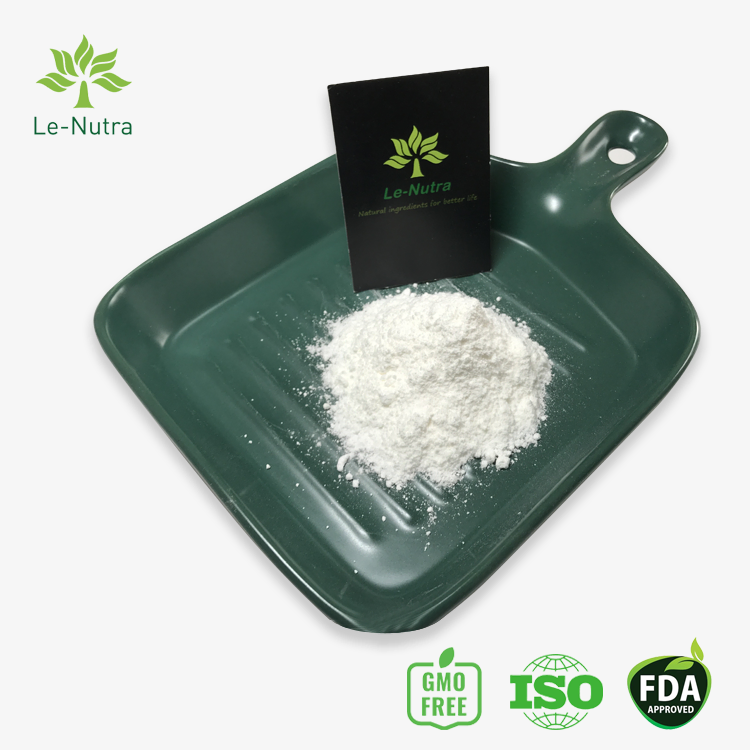
When we design skincare products that give actual results, we always look for ingredients that really work. Azelaic Acid Powder is one of our most trusted actives in our formulation tool set – a saturated dicarboxylic acid known chemically as nonanedioic acid. This white crystalline powder works on numerous skin conditions at once: acne, hyperpigmentation, rosacea and inflammation. These advantages come with a softness that harsher alternatives don't possess, so it's great for even sensitive skin and safe to use throughout pregnancy. Over the last decade I've worked with natural substances, and I've witnessed this molecule go from a specialised dermatological prescription to a popular beauty mainstay, and there's strong science behind that transition.
Understanding Azelaic Acid Powder and Its Skin Benefits
The Science Behind This Multi-Functional Ingredient
Azelaic Acid powder addresses numerous skin issues via separate processes. It normalises keratinization at the cell level which is the process of maturation and shedding of skin cells. If this process breaks down the pores get blocked and this leads to comedones and acne. The powder helps avoid this clogging by keeping the follicles clean. At the same time it blocks tyrosinase, the enzyme that creates melanin. That dual action is why doctors recommend it for both acne and melasma.
It also has a bacteriostatic effect on Cutibacterium acnes, the bacteria responsible for inflammatory acne. Benzoyl peroxide kills germs , however this may lead to resistance . It does not kill bacteria , but just inhibits them from growing . Clinical trials have indicated a significant reduction in the number of inflammatory lesions following 12 weeks of continuous usage of formulations having doses of 15-20%.
Key Dermatological Applications
When we say Azelaic Acid Powder at 98-99% we are talking about material appropriate for three main dermatological uses. The component is very sensitive to acne vulgaris, and both comedones and inflammatory papules decrease. It minimises redness and inflammatory pimples for rosacea sufferers without the photosensitivity problems linked with retinoids. Postinflammatory hyperpigmentation or melasma disappears gradually as tyrosinase activity decreases.
Especially important about this component is that it works selectively on aberrant melanocytes. Healthy skin cells are mainly spared, which explains the reduced irritation profile compared with hydroquinone. Published studies in dermatological publications show obvious improvement in skin texture and tone within 8-12 weeks when produced at proper doses.
Safety Profile and Formulation Considerations
The safety profile is one of the most significant benefits of this chemical. Pregnancy category B signifies that comprehensive animal tests have not shown any harm to the foetus. Active substances in this category are uncommon. This categorisation usually means that the product is safe to use during pregnancy and breastfeeding. It is better tolerated by sensitive skin than alpha hydroxy acids or retinoids but minor tingling, dryness or transient erythema may occur during the first adjustment phase.
Knowledge of its physical characteristics is of utmost importance for the formulators. The low solubility in water (ca. 2.4g/L at room temperature) and melting point range of 104-109°C provide formulation problems. Normally we add it to oil phases or employ solubilizers. Particle size also is a major player in effectiveness and aesthetics as well. Micronized versions (98% under 50μm and minimum 30% under 30μm) have better skin feel and penetration.
Azelaic Acid Powder vs Other Popular Skin Care Ingredients
Comparing Chemical Actions and Mechanisms
Procurement managers may use an awareness of comparative advantages to improve judgements made while evaluating active ingredients. Azelaic acid powder is somewhat different from salicylic acid which functions mainly via a keratolytic activity. Salicylic acid is amazing for pore cleansing, instantly, but not so much for brightness. Niacinamide may have some of the same brightening benefits, but doesn’t have the same anti-microbial effect on acne germs.
Glycolic acid provides a speedier exfoliation, but it also carries a greater risk of irritation and noticeable photosensitivity, so you’ll need to use sunscreen. Benzoyl peroxide is good at killing acne germs but it is drying, bleaches cloth and can’t assist with pigmentation. Our nonanedioic acid chemical is unusual as it combines antibacterial, anti-inflammatory and melanin-inhibiting activity in a single molecule – simplifying formulation complexity.
Powder Form vs Cream Formulations
The raw powder form works well for B2B customers. Azelaic Acid Powder (99%) with appropriate particle size distribution offers accurate dosage control and formulation versatility. Brands may use it in serums, creams, gels or lotions at a concentration of 10% for everyday use products and up to 20% for extensive treatments.
The pre-formulated creams do not allow for customisation and frequently include extra compounds that may be conflicting with brand-specific formulations. With the powder format, you may have clean-label compositions with each constituent having a function. The cost savings is obvious at scale; buying pharmaceutical-grade powder and making it in-house saves a lot on a per-unit basis compared to buying completed cream bases.
Optimal Concentrations for Different Applications
Concentrations are based on research of clinical effectiveness. Best outcomes for acne therapy are seen at 15-20% concentrations, similar to prescription-strength treatments. Brightening treatments for post-inflammatory hyperpigmentation are effective at 10-15% concentrations. Sensitive skin formulas may begin with 8-10% to reduce adjustment responses.
Leave-on treatments like serums and night creams may include larger concentrations (up to 20%) since the extended interaction with the skin permits maximum penetration. Cleansers and rinse-off products need lower percentages (5-10%) since they have less contact time with skin. European laws for cosmetic goods allow up to 10% in rinse-off and 20% in leave-on formulations, while US authorities allow comparable limits under cosmetic component standards.
How to Use Azelaic Acid Powder in Skincare Formulations
Incorporation Methods and Best Practices
To use Azelaic Acid Powder effectively, it is important to know its solubility profile. The chemical is weakly soluble in water, but has better solubility in propylene glycol, glycerine and certain alcohols. Usually we will make a dispersion phase by combining the powder with these solubilizers and then add to the water phase. Dispersion is improved by heating to 70–75 °C, but not when heating over 80 °C to avoid deterioration.
Here is where the micronized particle size standard (98% under 50 microns) is key. Gritty textures are consumer rejects and larger particles. The modern vendors provide powders with regulated particle size distributions that suspend well in gel bases or emulsions. For optimal stability and skin compatibility, the pH is adjusted to 4.5-5.5. This pH range is maintained by buffering systems employing citric acid or sodium hydroxide.
Dosage Guidelines for Maximum Efficacy
Product developers need to balance effectiveness and tolerability. Starting with 10% formulations helps customers to test their tolerance before moving up to larger percentages. Medical-grade skincare brands often have 15-20% formulas that are for specific therapy, with guidelines for gradual introduction. Demonstrated is the clinical effectiveness of a twice daily application of 10% formulations and of a once daily administration of 20% formulations.
The Azelaic Acid Powder we use is 98-99% pure, ensuring that calculations correctly convert into performance of the finished product. If the purity grade is lower, concentration changes may be needed and undesired contaminants may be introduced that influence stability or irritation characteristics. The Certificate of Analysis proving purity by HPLC testing is important documentation for quality assurance and regulatory compliance.
Real-World Formulation Case Studies
One medical aesthetics company recently introduced a rosacea serum with 15% nonanedioic acid in a lightweight gel basis. They said 78 per cent of clinical study participants demonstrated evident redness decrease after eight weeks. This composition had propylene glycol as a solubilizer, hyaluronic acid for hydration, and niacinamide for extra anti-inflammatory effects, which demonstrates how Azelaic Acid Powder works well with other complementing actives.
A winning one was also the lightening night cream for after acne blemishes. The 12% active ingredient formulation brand with alpha-arbutin and licorice extract for synergistic melanin suppression. Consumer testing indicated improved hyperpigmentation scores at 12 weeks with little mention of discomfort. The results confirm that the formulation was done correctly and the raw materials were of good quality.
Buying Guide: Sourcing High-Quality Azelaic Acid Powder for Your Business
Pharmaceutical vs Cosmetic Grade Specifications
Quality Differentiation begins with knowing grade categories. Azelaic Acid Powder is manufactured in accordance with USP or EP monograph standards for pharmaceutical-grade material, with tight limitations on heavy metals (≤0.001%), chlorides (≤0.005%), sulphates (≤0.025%) and iron content (≤0.002%). These requirements are very important in medical-grade skincare where safety margins have to be exact. Cosmetic grade material may have significantly less severe criteria but still needs full testing.
98% purity vs 99% purity may not seem like a big difference but that 1% may be a source of contaminants that might impact stability, colour or irritant characteristics. HPLC validated purity certifications are issued with each batch from high grade vendors. The clarity test, in which the powder is dissolved in 1N NaOH solution to provide a colourless, clear fluid, may be a rapid quality check for the formulator.
Evaluating Suppliers and Certification Requirements
The quality of the product and the regulatory compliance of Azelaic Acid Powder are closely linked to the credentials of a supplier. GMP accreditation means you have regulated production settings and established quality processes. ISO accreditation shows you have process standards and a commitment to continual development. Halal and Kosher certifications provide access to varied markets for products without reformulation.
The non-GMO certification is in response to increasing customer concerns about ingredient source, including those that are synthetically created. Allergen test findings prove absence of common sensitizers – vital verification for hypoallergenic product claims. With each shipment, suppliers must supply comprehensive paperwork packages comprising Certificate of Analysis, Technical Data Sheet, Material Safety Data Sheet and allergies declarations.
Pricing Models and Bulk Procurement Strategies
Pharmaceutical grade material is often priced according to quantity ordered, purity and delivery conditions. Small volumes (25-100kg) attract a premium price, with big purchases (500kg+) realising substantial economies of scale. Pricing for Azelaic Acid Powder has stabilised over the last several years as manufacturing capacity has increased, and is more available for developing companies.
Knowing Incoterms may assist optimise overall landed cost. EXW pricing means the customer must organise all logistics, giving the lowest unit price but most complexity. The responsibility is shared with FOB and CFR. CIF, DAP and DDP impose a rising logistical cost on suppliers. For new brands testing formulas, smaller first purchases and flexible payment terms (T/T, PayPal or trade assurance programmes) lower the financial risk of product development stages.
Conclusion
Azelaic Acid Powder represents a scientifically validated, versatile ingredient that addresses multiple skincare concerns with an excellent safety profile. Its unique combination of antimicrobial, anti-inflammatory, and melanin-inhibiting properties makes it invaluable for formulating effective acne, rosacea, and brightening products. The pharmaceutical-grade powder at 98-99% purity offers formulators precise control over concentration and formulation aesthetics, supporting both medical-grade and premium cosmetic applications. Successful procurement requires attention to purity specifications, particle size distribution, comprehensive certification documentation, and supplier reliability. As consumer demand for science-backed, gentle yet effective skincare continues growing, this ingredient will remain central to innovative product development across global markets.
FAQ
1.How quickly does nonanedioic acid show visible results?
Most clinical studies report initial improvements within 4-6 weeks, with optimal results appearing after 12-16 weeks of consistent use. Acne lesion reduction may be noticed slightly earlier than brightening effects. The timeline depends on concentration, formulation type, and individual skin response. Patience remains essential—this ingredient works through cellular-level changes rather than superficial effects.
2.Can this ingredient cause purging when first used?
Unlike retinoids that accelerate cell turnover and commonly cause purging, Azelaic Acid Powder formulations rarely trigger this response. Mild tingling, slight dryness, or temporary redness may occur during the first 1-2 weeks as skin adjusts, but true purging (increased breakouts) is uncommon. If significant irritation develops, reducing application frequency or concentration typically resolves the issue.
3.What certifications should B2B buyers prioritize?
GMP certification should be non-negotiable for medical-grade formulations, ensuring manufacturing quality control. ISO certification indicates standardized processes. For brands serving diverse markets, Halal and Kosher certifications provide valuable market access. Non-GMO and comprehensive allergen testing documentation support clean-label marketing claims. Complete COA documentation with HPLC-verified purity confirmation protects against quality issues and regulatory challenges.
Partner with Le-Nutra for Premium Azelaic Acid Powder Supply
Le-Nutra stands as your trusted Azelaic Acid Powder supplier, backed by 14 years of expertise in natural ingredients and active compound manufacturing. Our 60,000㎡ GMP-certified facility produces pharmaceutical-grade material at 98-99% purity, verified through HPLC testing with complete documentation including COA, TDS, allergen reports, and Non-GMO certification. We maintain 30+ days safety stock ensuring 98% on-time delivery globally, supporting flexible order volumes from initial R&D sampling through full-scale production. Our technical team provides comprehensive formulation support, helping you optimize solubility, texture, and stability while meeting EU and US cosmetic standards. Contact us at enquiry@lenutra.com for sample requests, technical specifications, and competitive bulk pricing tailored to your product development needs.
References
1. Schulte, B. C., Wu, W., & Rosen, T. (2015). Azelaic acid: Evidence-based update on mechanism of action and clinical application. Journal of Drugs in Dermatology, 14(9), 964-968.
2. Fitton, A., & Goa, K. L. (1991). Azelaic acid: A review of its pharmacological properties and therapeutic efficacy in acne and hyperpigmentary skin disorders. Drugs, 41(5), 780-798.
3. Draelos, Z. D., Carter, E., Maloney, J. M., Elewski, B., Poulin, Y., Lynde, C., & Oefelein, M. G. (2013). Two randomized studies demonstrate the efficacy and safety of dapsone gel, 5% for the treatment of acne vulgaris. Journal of the American Academy of Dermatology, 68(3), 439-448.
4. Nazzaro-Porro, M., Passi, S., Boniforti, L., & Belsito, F. (1989). Effects of dicarboxylic acids on the growth of malignant melanocytes. Journal of Investigative Dermatology, 93(4), 411-416.
5. Breathnach, A. S. (1996). Azelaic acid: Potential as a general antitumoural agent. Medical Hypotheses, 46(3), 221-224.
6. Thiboutot, D., Dreno, B., Gollnick, H., Bettoli, V., Kang, S., Leyden, J. J., & Shalita, A. R. (2009). A call to limit antibiotic use in acne. Journal of Drugs in Dermatology, 8(9), 838-844.
Online Message
YOU MAY LIKE
High-quality Botanical Extracts, Functional Ingredients, And Nutraceutical Raw Materials Manufacturer And Supplier