Oct 28, 2026
What is Oat Peptide: A Deep Dive into This Bioactive Ingredient
Targeted enzymatic hydrolysis of Avena sativa yields bioactive small-molecule peptide oat peptide (CAS: 151661-87-9). Oat peptide, with an average molecular weight of 2,000 Daltons and ≥80% protein content, swiftly supplies active chemicals to the skin and body. Its low allergen profile, clear aqueous solution, and wide compatibility across cosmetics, hair care, nutritional supplements, and mother-and-baby products make it one among the most practical plant-derived functional ingredients for formulators.
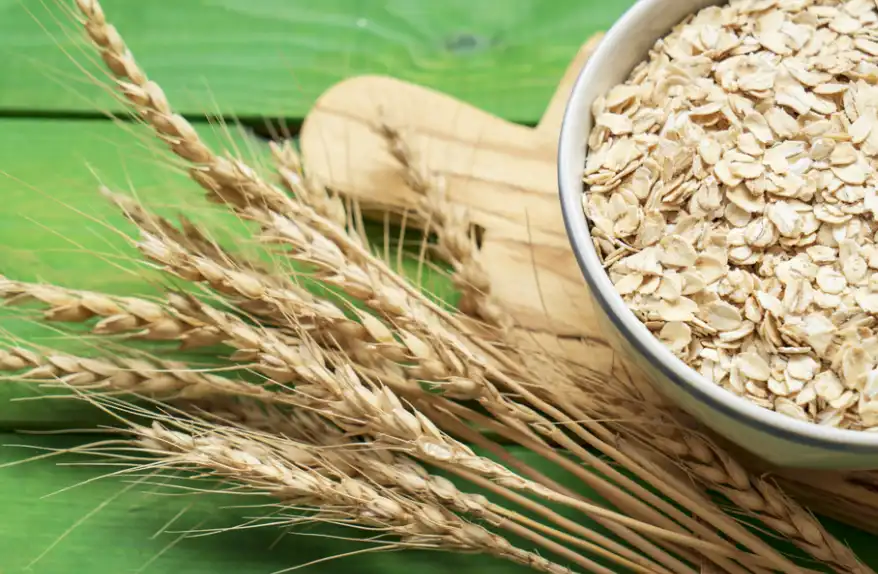
Understanding Oat Peptide: Composition and Production
What Distinguishes Oat Peptide from Oat Protein
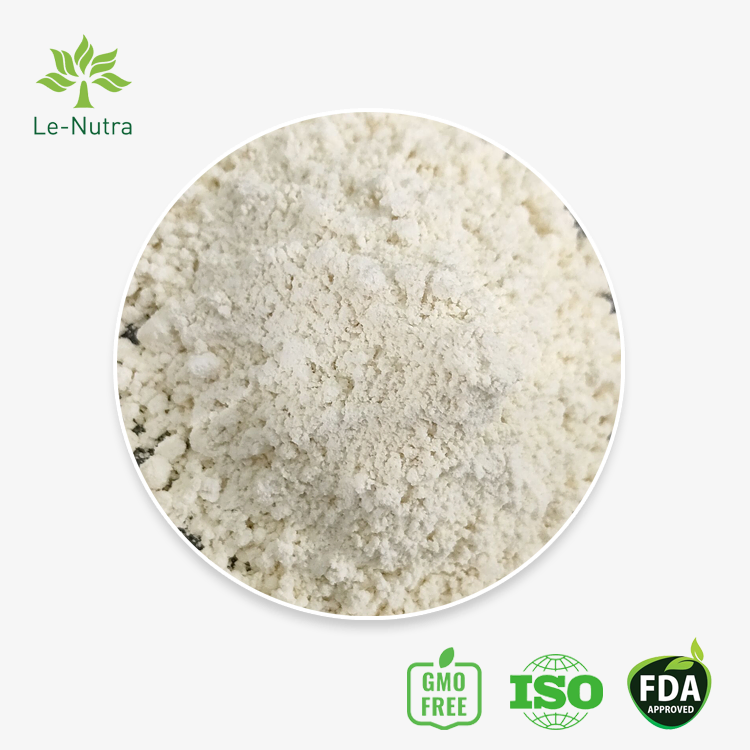
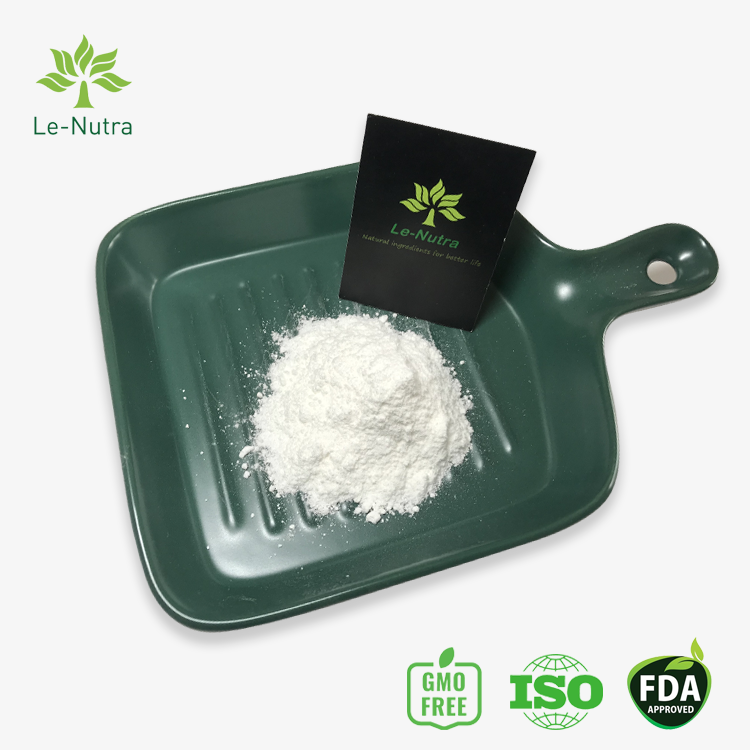
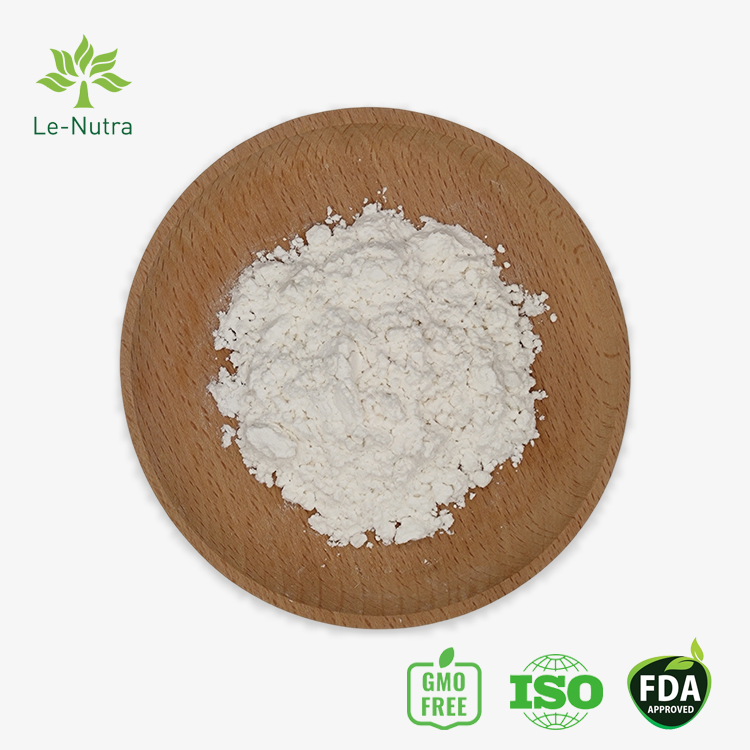
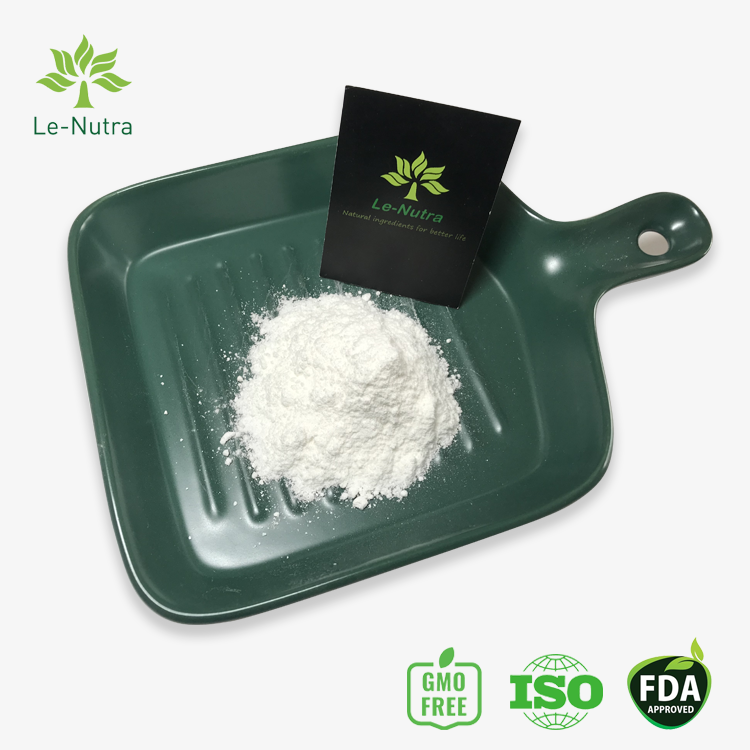
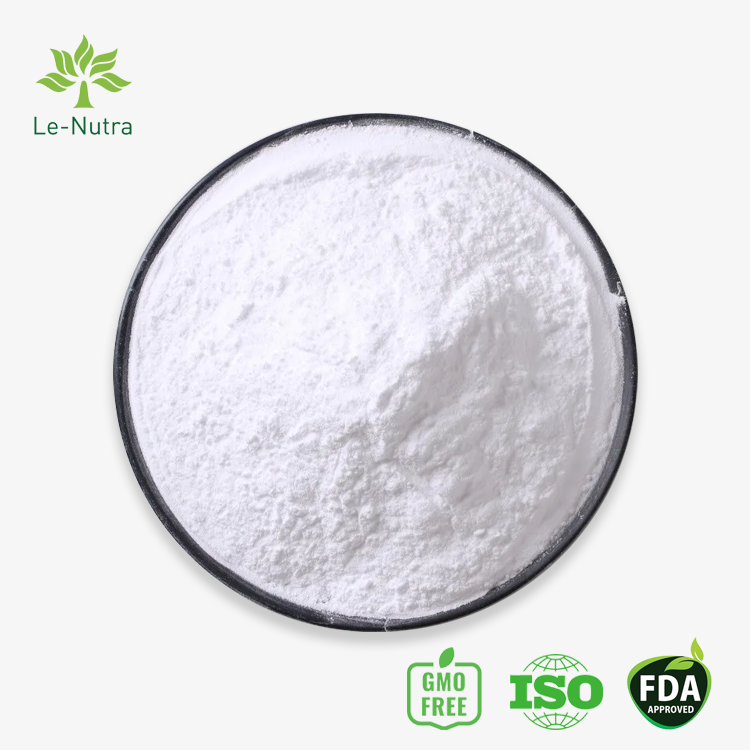
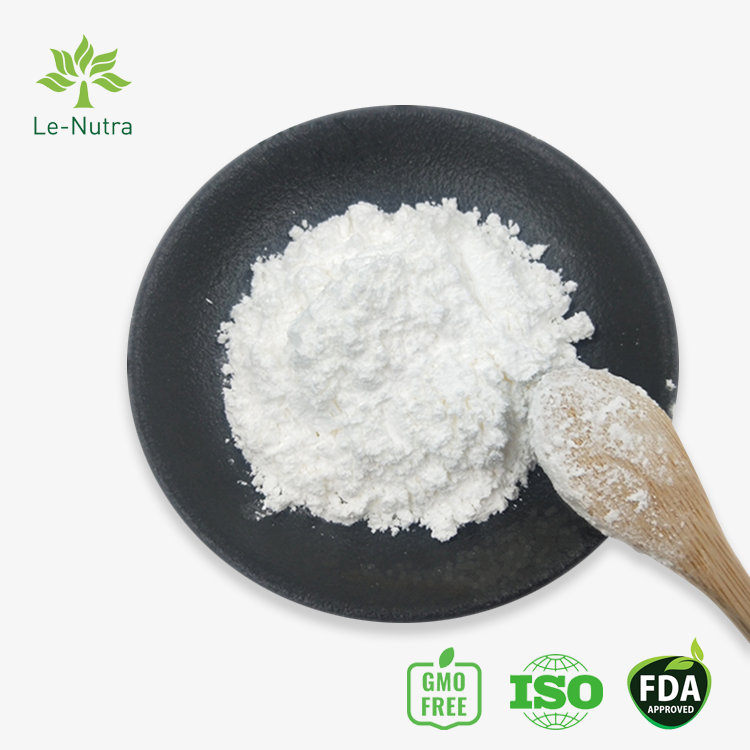
Native oat protein is a big molecule that stays on the skin's surface and doesn't go deeper. Enzymes break these long protein chains down into short oligopeptide sequences in a controlled way to make oat peptide. The powder is fine and white to light gray, and its molecular weight is 2000 Daltons or less, which is much lower than the molecular weight of most plant proteins. The biological action and cutaneous access of the oat peptide are due to this change in structure.
Key Nutritional and Functional Components
Oat peptide is a source of amino acids and has a lot of glutamine and proline, which are two amino acid residues that help skin and hair fiber keep their moisture and rebuild their structure. A nitrogen level of 13–15% (≥12.5% total nitrogen) means that the peptide is pure. It is known that the avenanthramide-related residues in the hydrolysate are what cause the anti-inflammatory and antioxidant effects. So, hydrolyzed oat protein is not just a lubricant; it also does other things.
How Manufacturing Method Affects Quality
Le-Nutra's mild enzymatic hydrolysis method uses food-grade enzymes at controlled temperatures to keep the biological activity of the peptide fragments intact. During several purification steps, gluten and allergenic proteins are removed. It's important to note that acid hydrolysis would make the same amount of oats taste more bitter and have worse amino acid profiles. In its powder form, it is made by enzymes and has a pH range of 5.0 to 6.5, which means it can be used in most water-based skincare and nutritional products.
Oat Peptide vs. Competing Peptide Sources
The gluten risk of oat peptide is much lower than that of hydrolyzed wheat protein (heavy metals <1 ppm, total plate count ≤10,000 cfu/g). This alternative is made from plants and is 100% vegan. It works just as well at moisturizing as collagen peptides. Soy peptides work better with different tastes and textures in clear formulas. The water-based solution of oat peptides is clear, neutral to slightly yellowish, and free of any impurities that can be seen. It doesn't change the way the mixture looks.
Benefits and Uses of Oat Peptide Across Industries
Skin Care and Cosmetic Formulations
Oat peptide is an ingredient in serums, lotions, and creams that helps keep the skin moist and heal it. Because its molecules aren't very big, it might be able to get into the stratum corneum and soak up water there, which would stop transepidermal water loss (TEWL). The practical ability of hydrolyzed oat protein to protect against the skin discomfort caused by anionic detergents has been studied. This is especially important for goods made for people with sensitive or atopic skin. Formulators can dissolve it completely in water, and it stays clear in water-based systems. It also works with a wide pH range.
Hair Care Applications
The normal pH level of the oat peptide makes broken hair fibers very strong. It doesn't leave behind a heavy film like silicone-based conditioners do. Instead, it leaves a light, protective coating around the hair shaft that makes it easier to comb and less likely to break. Hydrolyzed oat protein conditions hair and has a simple story of plant-derived ingredients that are in line with what the market wants from companies that make clean label or sulfate-free hair care lines right now.
Nutraceuticals and Mother-and-Baby Products
Oral dietary supplement products can use oat peptide because it contains amino acids and antioxidants. It is great for sensitive people because it is low in gluten and allergens. The strict microbial controls (coliforms ≤1 MPN/g, yeast and molds ≤1,000 cfu/g) and lack of heavy metals over 1 ppm make formulators feel safe using it in baby lotion, diaper care creams, and products for mothers and babies. This is likely the strictest category for ingredient safety.
Critical Considerations for Procurement and Quality Assurance
Certifications and Regulatory Compliance
While the specification sheet is important, the chain of compliance paperwork is as important when procuring oat peptide for U.S. or EU markets. Le-Nutra’s hydrolyzed oat protein is FDA-registered, ISO-certified, ISO certified and Kosher-certified, with complete documentation: COA, TDS, MSDS, and MOA. FDA compliance prevents U.S. cosmetic and nutraceutical companies from import holds. ISO and Kosher certification provide a third-party validation that helps companies who are focused on clean-beauty and natural channels to back up their label claims.
Key Quality Parameters to Verify Before Ordering
Procurement teams should obtain batch-specific test data, not just general specification sheets. The non-negotiables to verify for each incoming batch of oat peptide are:
- Molecular weight distribution: Confirm average MW < 2,000 Daltons by GPC. Low batch-to-batch variability is needed to ensure consistent formulation behavior.
- Protein content: ≥80.0% means you’re not paying for filler, but active peptide. Check against nitrogen content (13–15%) by Kjeldahl technique.
- Microbial panel: Total plate count ≤10,000 cfu/g, coliforms ≤1 MPN/g, yeast and molds ≤1,000 cfu/g — each of them ensures your final product's safety.
- Heavy Metals and Aflatoxin B1 Mother-and-baby or Oral Supplement grades: Heavy metals <1 ppm and aflatoxin B1 ≤5.0 µg/kg
- Gluten residue (ELISA R5) – Crucial for businesses making gluten-free claims or targeting celiac-aware customers.
These characteristics combine to keep your brand safe from recalls, delistings, and customer complaints. Third-party lab validation is required before placing large volume or sensitive category orders.
Packaging, Storage, and Shelf Life
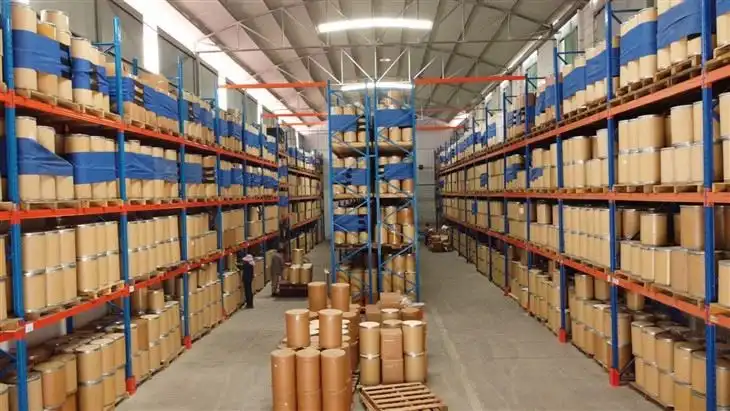
Le-Nutra provides the oat peptide in food-grade inner plastic bags, packed in kraft paper outer bags of 15 kg or 25 kg per bag. Customized amounts are also accepted. Store in a cool, dry place away from direct light and heat. The shelf life is 24 months in the original unopened package. Storage stability and low hygroscopicity are achieved with a water content ≤5%, which minimizes caking over extended transport or storage durations.
Comparing Oat Peptide Solutions: What Makes a Supplier Stand Out?
Manufacturing Scale and Customization Depth
The technological competency of a provider will be directly reflected in their ability to modify the molecular weight ranges. Le-Nutra has a 60,000 m² manufacturing base and 3,000 tons yearly capacity for six production lines. The team can also customize molecular weight distributions and packaging formats to meet unique formulation demands, in addition to conventional grades, which most trading organizations are unable to achieve since they do not control the hydrolysis process. Delivery: 7-15 working days. Trade terms: EXW, FOB, CFR, CIF, DAP, DDP.
Quality Systems and Traceability
Le-Nutra has 14+ years of industry expertise, GMP-compliant manufacturing, in-house superior QC labs, and performs third-party testing on every production lot. “We have documentation that tracks the product from the raw oats all the way through to the powder being shipped. Brands in regulated markets such as the U.S. and the European Union are increasingly asking for this kind of supply chain transparency.
Payment Flexibility and Trade Support
Accepted payment methods include 100% T/T, Alibaba International Trade Assurance, and Western Union (suitable for first-time customers to test small amounts and experienced procurement teams for recurrent transactions). This flexibility, together with 30+ days of safety stock and a 98% on-time delivery record, decreases supply chain disruption risk for customers managing tight production deadlines.
Final Decision-Making Guide for B2B Buyers
Matching Product Format to Application
Powdered oat peptide is better for most cosmetic and nutritional uses because it lasts longer, is easier to dose, and weighs less when shipped. If a buyer is making clear aqueous toners or serums, they should look for dissolution testing data to show that the product will be clear at the concentration they want to use it at. Do not ask for a general COA. Instead, ask for a specific gluten residue test result for care of newborns or lines on fragile skin.
Evaluating Supplier Proposals
Choose bidders from providers who offer specific test results for each batch instead of general datasheets, offer free samples (10–50g for R&D testing), and have a clear way to deal with worries about batch variance. If your formulation's details are what's wrong, a vendor signing a non-disclosure agreement is also a good sign of good business behavior.
Planning for Long-Term Supply
You should start with a small test order (1–5 kg) to make sure that the operating formulation is safe, stable, and compatible. For two or three lots that are all the same, you should switch to a long-term supply partnership with clear standards and retesting procedures. In this way, your supply chain is in control, and you won't have to spend too much on goods before the product launch.
Conclusion
Oat peptide is a well-defined plant-based active substance that works in a simple way because it has a low molecular weight that makes it easier for the body to absorb, a high amino acid profile that helps with repair and hydration, and a controlled manufacturing process that lowers the risk of allergenicity. When B2B clients in the mother-and-baby, cosmetics, hair care, or nutraceuticals sectors decide to buy, they look at how open the supplier is, how good the documentation is, and how much they can customize the product. A trustworthy oat peptide supplier should be able to show you how well their product works on paper before showing you how well it works in your formula. You should look for production that can be scaled up and has high quality standards and full approval coverage.
FAQ
1. What is the difference between oat peptide and oat protein?
Oats contain natural, high-molecular-weight protein. Oat peptide is made by hydrolysing the protein into short-chain fragments with an average molecular weight of ≤2,000 Daltons. With its smaller size, oat peptide has higher skin penetration and bioavailability than complete oat protein, which creates a surface film.
2. Is oat peptide safe for baby skin care formulations?
Yes, with controlled enzymatic hydrolysis and strict purification. Ensure safety by verifying microbiological limits (≤10,000 cfu/g), heavy metals below 1 ppm, and gluten residue levels. Ask for batch-specific test results before adding any ingredient to infant care products.
3. How do I verify the purity of a bulk shipment?
Get the batch COA and verify protein (≥80%), nitrogen (13-15%), molecular weight distribution, and microbiological panel findings. The batch should undergo an independent ELISA R5 gluten test and third-party heavy metal screening for sensitive applications.
4. Does oat peptide affect the appearance or texture of finished products?
No. Oat peptide dissolves into a clean, transparent solution without contaminants. The colour is colourless to slightly yellowish and does not affect serum, lotion, or cream appearance.
Partner with Le-Nutra for Reliable Oat Peptide Supply
Le-Nutra is a direct oat peptide manufacturer with 14+ years of production experience, a 60,000 m² facility, and full FDA, ISO, and Kosher certification. We support custom molecular weight specifications, flexible MOQ, and 7–15 working-day lead times. Whether you need a sample for R&D testing or a long-term bulk supply agreement, our team is ready to assist. Contact us at enquiry@lenutra.com to request your free sample today.
References
1. Breiteneder, H., & Ebner, C. (2000). Molecular and biochemical classification of plant-derived food allergens. Journal of Allergy and Clinical Immunology, 106(1), 27–36.
2. Celus, I., Brijs, K., & Delcour, J. A. (2006). The effects of malting and mashing on barley protein extractability and large-scale fractionation of barley proteins. Journal of Agricultural and Food Chemistry, 54(21), 8012–8018.
3. Dimberg, L. H., Theander, O., & Lingnert, H. (1993). Avenanthramides—a group of phenolic antioxidants in oats. Cereal Chemistry, 70(6), 637–641.
4. Gorouhi, F., & Maibach, H. I. (2009). Role of topical peptides in preventing or treating aged skin. International Journal of Cosmetic Science, 31(5), 327–345.
5. Kurtz, E. S., & Wallo, W. (2007). Colloidal oatmeal: History, chemistry and clinical properties. Journal of Drugs in Dermatology, 6(2), 167–170.
6. Sur, R., Nigam, A., Grote, D., Liebel, F., & Southall, M. D. (2008). Avenanthramides, polyphenols from oats, exhibit anti-inflammatory and anti-itch activity. Archives of Dermatological Research, 300(10), 569–574.
Online Message
YOU MAY LIKE
High-quality Botanical Extracts, Functional Ingredients, And Nutraceutical Raw Materials Manufacturer And Supplier