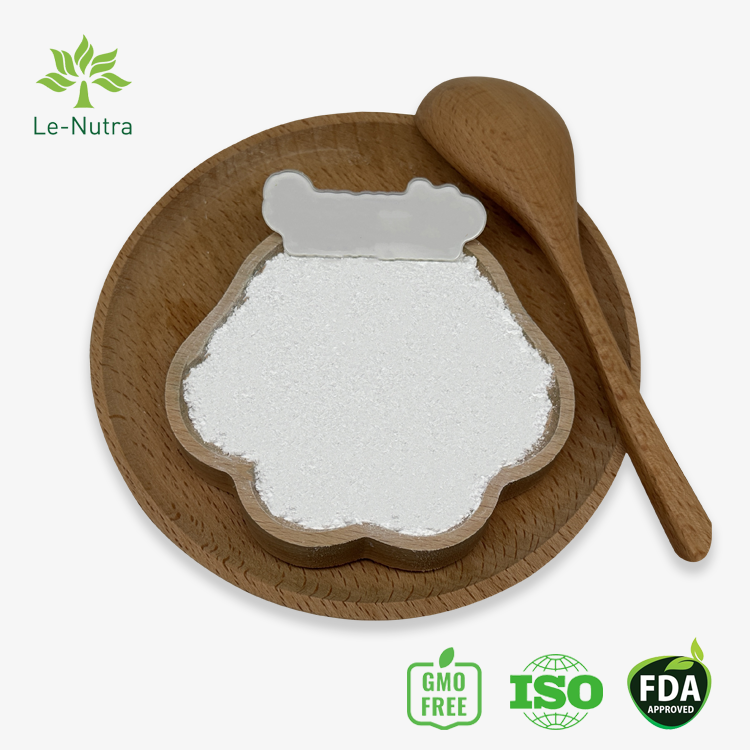
Acadesine
Description
Acadesine (AICAR) Research Grade Ingredient | High Purity AMPK Activator for Metabolic & Cardiovascular Studies
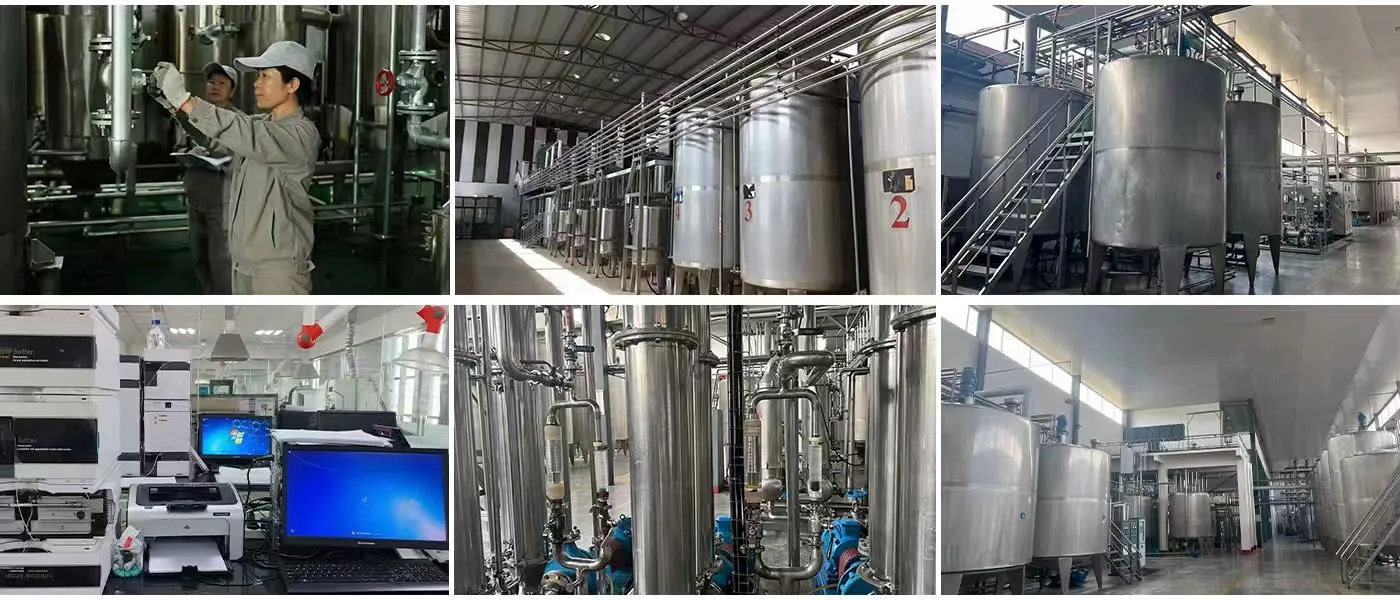
Xi'an Le-Nutra Ingredients Inc. offers research quality Acadesine (CAS 2627-69-2) with HPLC certified purity of ≥98%. With a 60,000㎡ GMP-compliant production facility and 3,000-ton annual capacity, our facility provides constant quality for pharmaceutical R&D and biochemical research applications. We have been producing active substances for more than 14 years, we offer direct supply from the manufacturer, specifications made to order from 1g to 1kg, comprehensive technical documentation (COA, TDS, MSDS, HPLC chromatograms). Our quality control method ensures moisture content ≤0.5%, heavy metals ≤20 ppm, and microbiological levels within the scope of international research requirements.
What Is Acadesine and Why It Matters in Advanced Research?
This substance is also known as AICAR (5-Aminoimidazole-4-carboxamide-1-β-D-ribofuranoside), a cell permeable analogue of adenosine and powerful activator of AMPK. Inside cells it is converted to ZMP (AICA ribonucleotide) which mimics the regulatory actions of AMP on energy metabolism.
This pathway is important for investigating cardiovascular protection, metabolic diseases and autophagy regulation. This chemical is widely used by researchers all across the world to study glucose transport pathways that are independent of insulin, mitochondrial biogenesis and cellular energy homeostasis under regulated laboratory circumstances.
Technical Specifications
| Parameter | Specification |
|---|---|
| Product Name | Acadesine (AICAR) |
| CAS Number | 2627-69-2 |
| Molecular Formula | C₉H₁₄N₄O₅ |
| Molecular Weight | 258.23 g/mol |
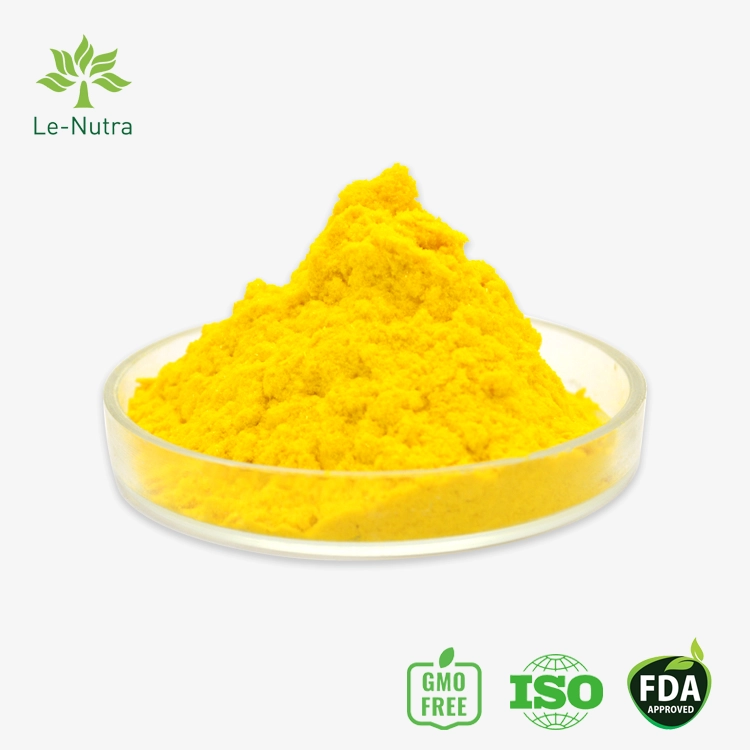
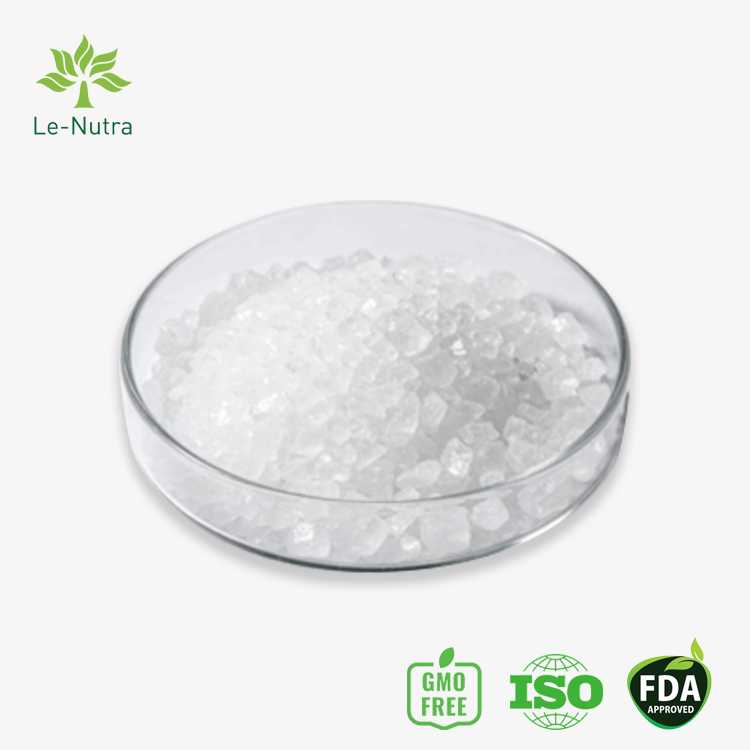
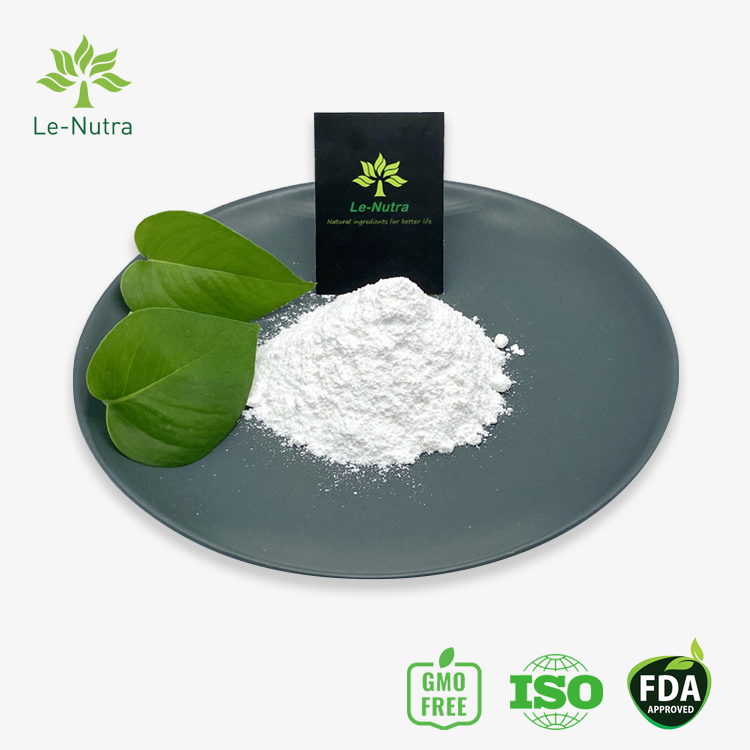
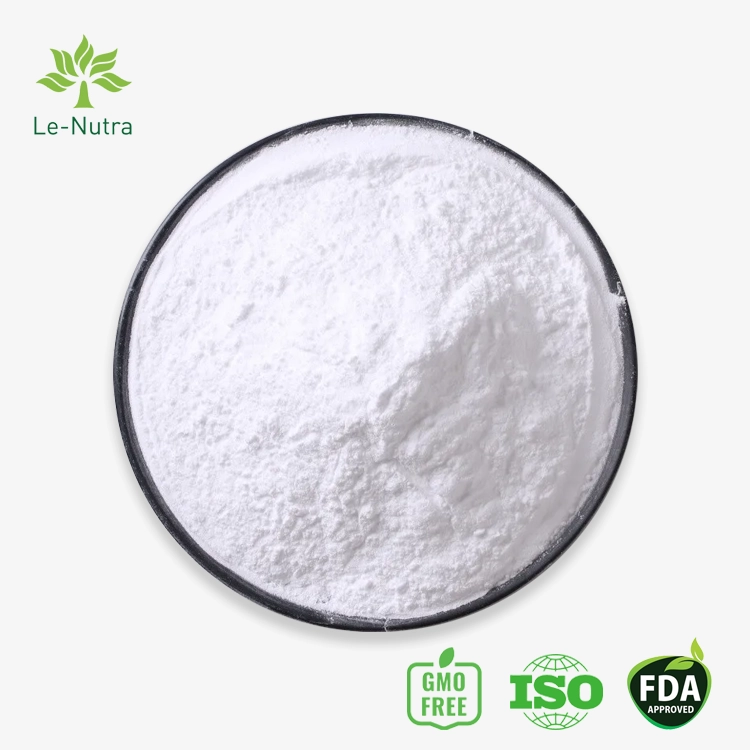
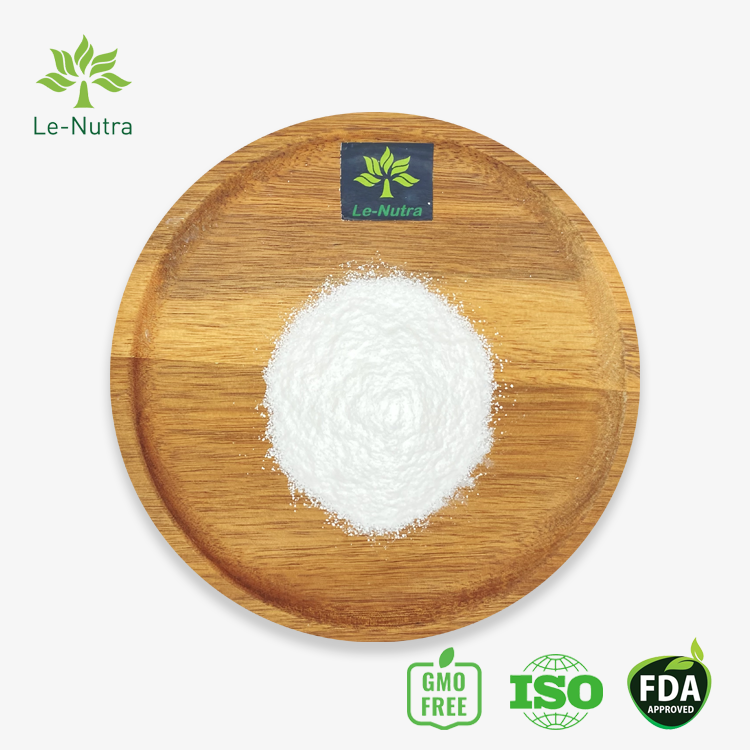
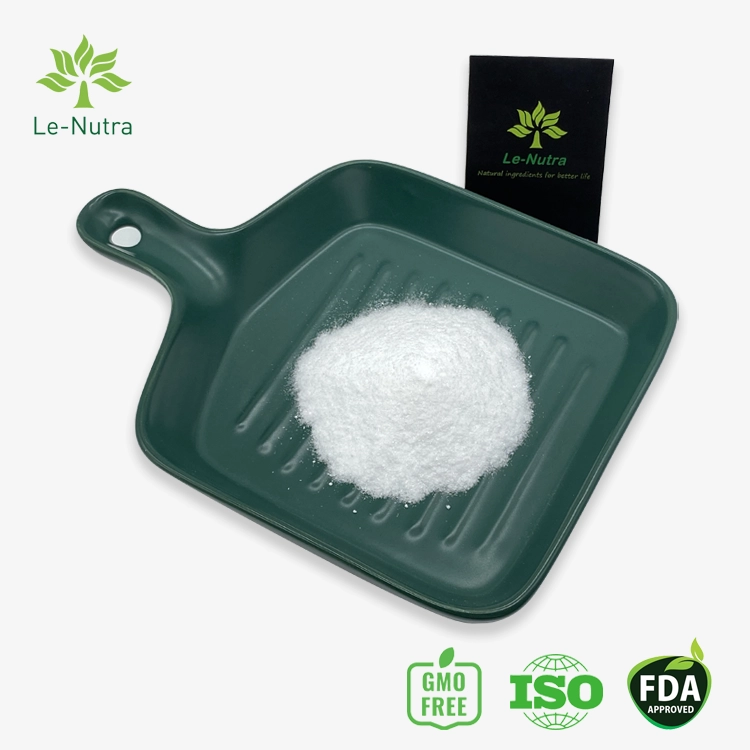
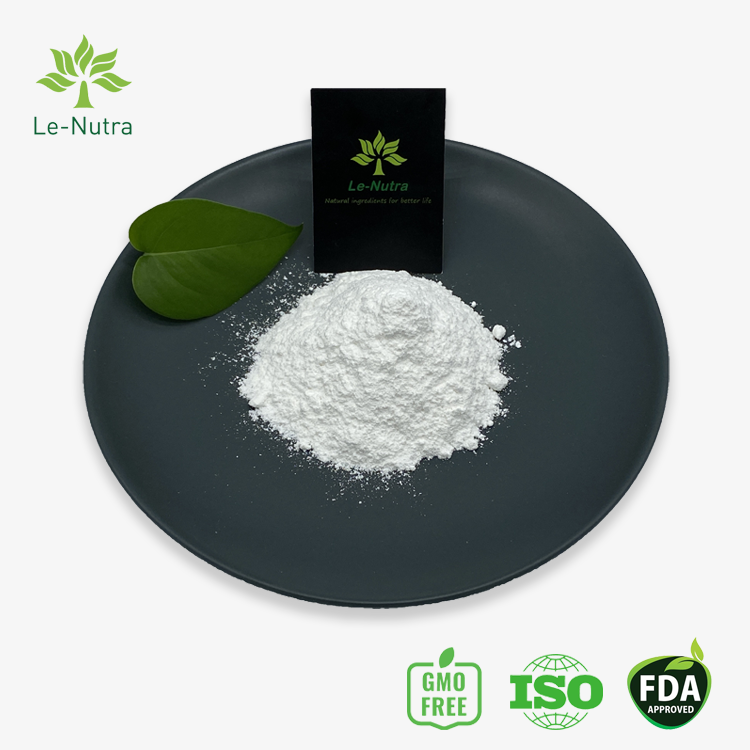
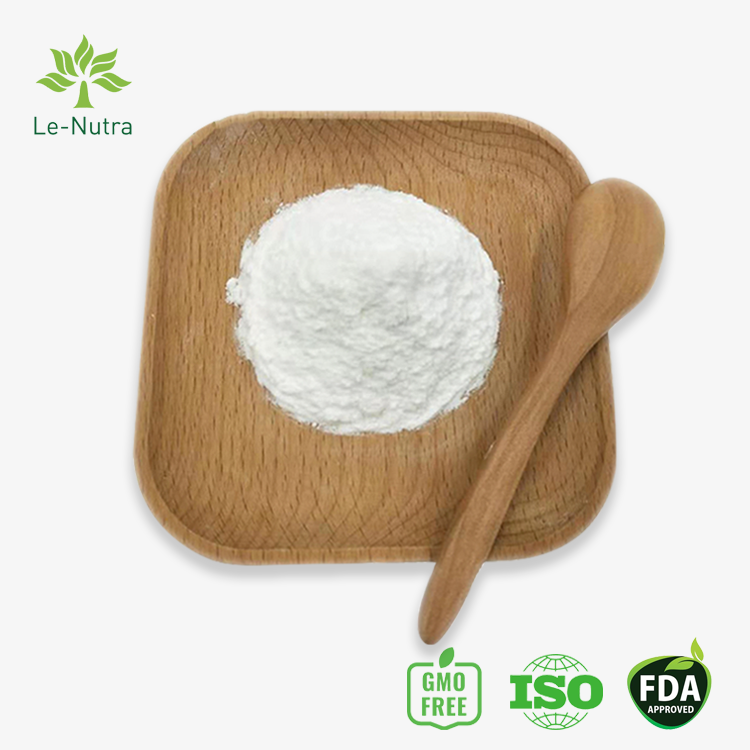
| Appearance | White to Light Yellow Crystalline Powder |
| Purity | ≥98% (HPLC) |
| Melting Point | 212°C – 216°C |
| Loss on Drying | ≤0.5% |
| Heavy Metals | ≤20 ppm |
| Total Plate Count | ≤1000 cfu/g |
| Yeast & Mold | ≤100 cfu/g |
Core Functional Advantages for Your Research
AMPK Pathway Activation
The chemical is phosphorylated to ZMP after cellular absorption, directly activating AMP-activated protein kinase. This makes it the gold standard for studying energy metabolism without the variables of exercise.
Control of Adenosine
Its unique adenosine-modulating mechanism results in cardioprotective benefits that are very beneficial in myocardial ischemia-reperfusion injury models in cardiovascular surgery research.
Autophagy Induction
The chemical is a potent mitophagy inducer, offering important insights into cellular homeostasis and quality control systems in ageing and neurodegenerative investigations.
Metabolic Modulation
It controls glucose absorption and lipid metabolic pathways; it suppresses hepatic fatty acid production. Luckily, your research can explore the mechanisms of metabolic syndrome and type 2 diabetes.
Primary Application Scenarios
 Cardiovascular Research
Research on defence mechanisms against myocardial ischemia-reperfusion damage. It has been studied in the clinical setting for its ability to decrease perioperative myocardial infarction in patients undergoing coronary artery bypass graft surgery.
Studies of Metabolic Disease
Investigate control of lipid metabolism, cholesterol biosynthesis pathways and mechanisms of insulin-independent glucose transport in muscle cells. Your models can suggest treatment targets for metabolic syndrome.
Autophagy Research
Used as a pharmacological technique to activate autophagy in cells and to research mitophagy in models of cancer, ageing and neurological diseases.
Oncology Research
Investigate specific cytotoxicity against B-cell chronic lymphocytic leukaemia cells and insights on disruption of energy metabolism in tumour microenvironments.
Studies of Neuroprotection
Investigate the relevance of the AMPK pathway in Alzheimer's disease and other neurodegenerative diseases where energy homeostasis may be important.
Quality Control and Compliance Standards
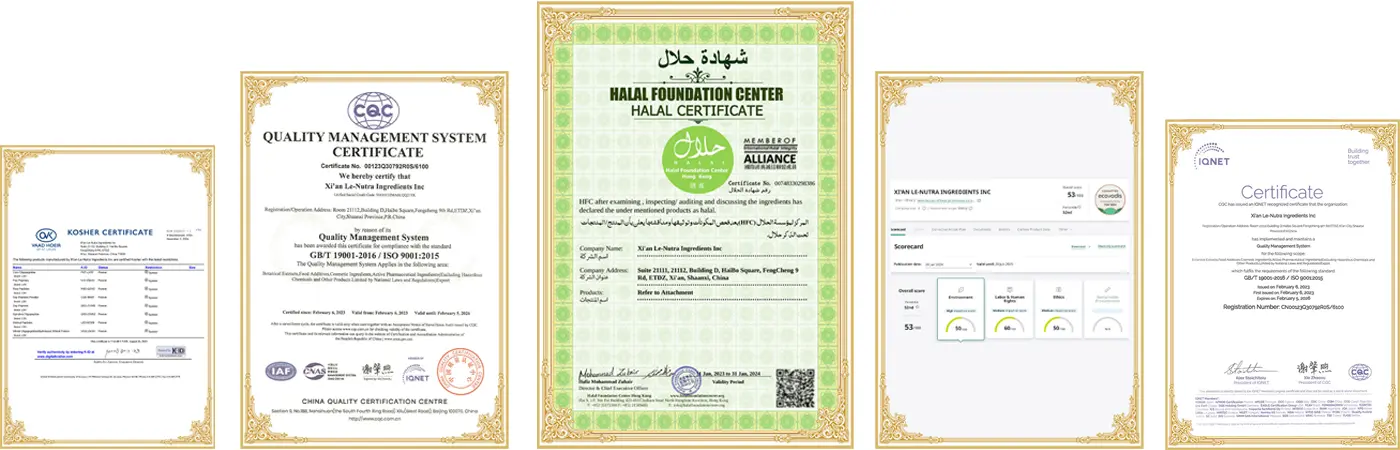
Our Acadesine production follows strict GMP, ISO, and pharmaceutical-grade quality systems. Every batch undergoes comprehensive testing protocols.
Chromatographic Purity: HPLC analysis ensures ≥98% purity with minimal synthesis-related impurities. We eliminate free base AICA that could interfere with metabolic signaling.
Structural Authentication: Mandatory 1H-NMR and LC-MS analysis confirms molecular integrity of the riboside structure. You receive complete spectroscopic data with each order.
Residual Solvent Testing: GC-HS analysis ensures Class 1 and Class 2 solvents remain within ICH Q3C limits for safe biological administration.
Endotoxin Control: For in vivo applications, we perform LAL testing to guarantee pyrogen-free material suitable for injection studies.
All batches include COA, TDS, MSDS, and complete HPLC chromatograms for your regulatory and documentation needs.
Customization Services Tailored to Your Project
Flexible Specification
Available in 1g, 5g, 10g, 25g, 50g, 100g, and 1kg sizes. We can satisfy your volume needs whether you are doing early screening or extensive pre-clinical investigations.
Bespoke Packaging Solutions
We offer packaging and labelling to help with your branding, regulatory or institutional needs. Commercial developers have the ability to use private label solutions.
Flexible Delivery Conditions
Select EXW, FOB, CFR, CIF, DAP or DDP terms according to your logistics choices and cost optimisation objectives.
Support Low MOQ
Order as little as 1g to minimise trial expenses and assess how the material performs before ordering greater quantities.
Packaging and Delivery
Standard research-grade packaging is desiccant-protected amber glass vials. We keep safety supply of more than 30 days, so we are always ready to go.
We have a global logistics network that delivers on schedule 98% of the time across North America, Europe and Asia-Pacific. Fast shipment available for tight research schedules.
FAQ
Q: What is the recommended storage temperature for long-term stability?
A: Store powder at -20° C in dried state for up to 3 years. Once reconstituted, make single-use aliquots and store at −80°C for up to 1 year to prevent hydrolysis.
Q: How can I get the product to dissolve without precipitating?
A: Due to poor solubility in aqueous solutions, first dissolve in DMSO at a concentration of 15-20 mg/mL and then dilute into aqueous buffers of neutral pH. This results in total dissolution.
Q: How well does it cross the blood-brain barrier?
A: Poor CNS penetration is reported in the literature and is a key factor in the design of neurological metabolism studies where direct brain exposure is required.
Q: How is it different from Compound C and other AMPK modulators?
A: This chemical is a direct activator compared to chemical C (AMPK inhibitor) because it is converted to ZMP that mimics AMP binding to AMPK and upstream kinases.
Q: What impurities should I watch for in quality verification?
A: Gradient HPLC can detect leftover ribose or unreacted imidazole derivatives in low grade batches. These contaminants can greatly affect the accuracy and reproducibility of kinase assays.

Contact Us for Technical Support and Orders
Reach us at enquiry@lenutra.com to discuss your Acadesine research requirements and receive detailed quotations with comprehensive technical documentation.
Online Message
YOU MAY LIKE
High-quality Botanical Extracts, Functional Ingredients, And Nutraceutical Raw Materials Manufacturer And Supplier