Nov 2, 2026
Ashwagandha Extract Powder: Effects, Studies & Everyday Use
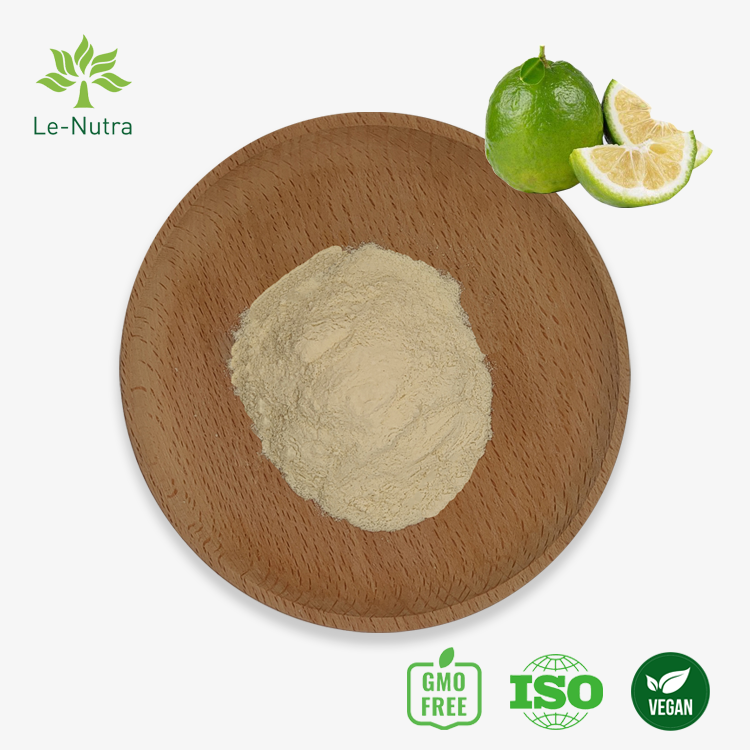
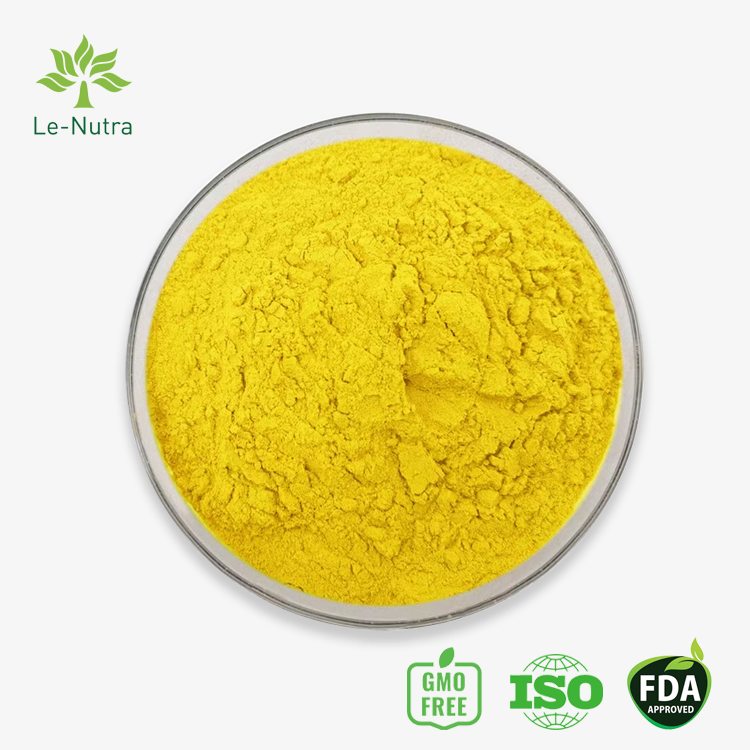
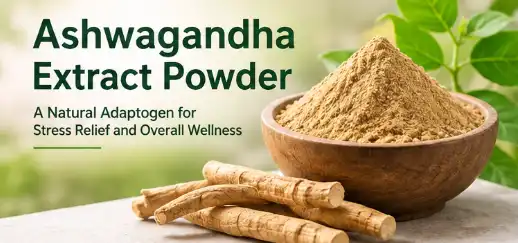
If you work in supplement formulation or functional food development, you already know that ashwagandha extract powder has become one of the most requested adaptogenic ingredients in the U.S. market. This fine, brownish-yellow powder comes from the roots of Withania somnifera. It is high in bioactive withanolides, which have been linked in clinical studies to reducing stress, improving sleep, and supporting brain function. This book explains the science behind buying and how it can be used in real life, so your team can feel sure when making decisions about where to buy things.
What Is Ashwagandha Extract Powder? A Comprehensive Overview
From Root to Standardized Extract
Straight ashwagandha root powder and raw ashwagandha root powder are not the same thing. A lot of the time, the bioactive content of raw powder is too low for label claims because it is just dried root material that has been ground up. Hydro-ethanol extraction is used to get withanolides to certain amounts in a measured extract, like 2.5%, 5%, or 10%. These amounts can be checked using USP HPLC methods. This is important because people who take part in clinical trials are usually given 300–600 mg of an extract with a high concentration (withanolides >5%), not root powder.
Key Botanical and Chemical Parameters
You can find the root of Withania somnifera under the CAS number 90147-43-6. It is mostly made up of Withanolide A, Withanolide B, and Withaferin A. You can get correct numbers that can be used in clinical settings by measuring these chemicals with HPLC. Gravimetric or UV methods test a wider range of chemicals, and the results aren't always accurate, so they don't really show how strong the drug is. If you want to sell to other businesses, you should let them know that the withanolide content has been HPLC-verified.
Why Root-Only Material Matters?
For the same amount of money, leaf extract has more Withaferin A, which makes people more worried about how harmful it is to cells when used in large amounts. It is better known that root-only ashwagandha extract withanolides is safe, and there are fewer legal questions in the US and Canada about it. Only the roots of Withania somnifera are used by Le-Nutra. This makes sure that the safety record stays in line with Ayurvedic practice and the rules that are in place now.
Effects and Benefits Backed by Scientific Studies
Stress and Cortisol Reduction
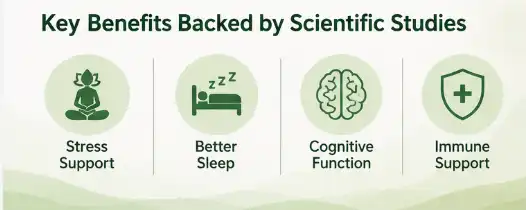
A number of randomized controlled studies have shown that withanolides change the HPA axis, which makes the blood level of cortisol go down. People who took 300 mg of root extract twice a day for 60 days had a statistically significant drop in cortisol, according to a study published in the Indian Journal of Psychological Medicine in 2012. This gives supplement companies that say their products can help people deal with stress a strong scientific basis for what they say.
Sleep Quality and Cognitive Function
People who took 600 mg of ashwagandha root extract every day slept better and fell asleep faster than people who took a fake. The study was released in PLOS ONE in 2019–2020. When it comes to brain function, withanolides help neurotransmitters work and protect nerve circuits from oxidative damage. This can help people remember things and concentrate better, which is a selling point for products for older people and people who work.
Immune and Hormonal Support
Ashwagandha extract powder is a good thing to add to daily immune formulas because it changes the levels of inflammation markers and boosts the immune system's cellular response. The endocrine systems are also affected by adaptogens. This means that they can help men's testosterone levels and women's hormonal balance as they go through different stages of life. There are more than one way for formulators to put an ingredient in these written acts.
How to Use Ashwagandha Extract Powder in Everyday Applications?
Capsules and Tablets: The Core Format
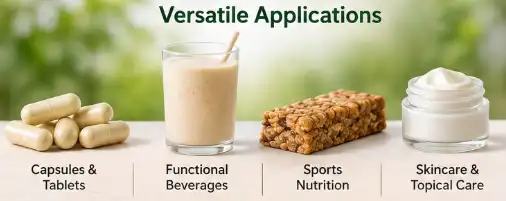
The 5% withanolide grade fits into a normal Size 0 or Size 00 capsule, which makes it easy for people to take the right number of pills. People should take 300–600 mg every day. You can mix this grade well with GABA, magnesium, zinc, and plant partners like magnesium. The powder's bulk density is between 0.45 and 0.65 g/mL, which means it can be put into capsules quickly and without any problems.
Functional Beverages and Wellness Shots
With an amount of 5% withanolide, the taste doesn't change much, but the label claims are still met. This is a direct answer to the main issue with making drinks. Ashwagandha extract powder that mixes with water can be used to make ready-to-drink drinks and coffee options that are good for you. For pre-workout and health shots, it's important that Le-Nutra's extract doesn't break down in acidic amino acid and electrolyte states. On top of that, this extract can handle short-term processing heat up to 120 °C. This makes it easier to make baked goods and sweets.
Sports Nutrition and Topical Applications
Withanolides help with muscle protein and reduce inflammation, which makes them useful in post-workout healing mixes. The antioxidants in ashwagandha extract powder help skin that is getting older because of stress. This lets formulators pick from options that are safe for food and safe for skin from the same source.
Comparing Extract Grades and Format Choices
Powder vs. Capsule vs. Tincture for Manufacturers
The most packaging options for ashwagandha extract powder are available to manufacturers. For finished things, capsules and tablets need tools, and they can't be changed as much during creation. Because they have alcohol in them, medicines need more labels and are harder to dose properly. Before setting the exact specs, bulk powder lets your R&D team change the particle size, concentration, and carrier. The small-scale trial process that most mid-size supplement makers go through for 6 to 12 weeks is when this really comes in handy.
HPLC vs. Gravimetric Assay: What to Demand from a Supplier
When looking at different service providers, it is important to always ask for HPLC-specific withanolide data instead of gravimetric totals. Withaferin A, Withanolide A, and Withanone are all measured and split up separately by HPLC. This gives a true picture of the bioactive content. Because they pick up molecules that aren't working, gravimetric methods often give 30–50% wrong readings of how strong something is. To get rid of sellers who lie about their numbers, all you have to do is ask for USP HPLC proof.
Certification Stack as a Quality Signal
If a company selling ashwagandha extract powder is telling the truth, they should be registered with the FDA, GMP, WHO, and ISO. You can reach more people if your food is certified Halal and Kosher. For each batch that is sent out, there should be a COA, a TDS, and an MSDS. All three are short for "Material Safety Data Sheet." People who want to buy something should also ask for leftover liquid analysis according to USP <467> and heavy metal tests with ICP-MS that meets the limits set by California Prop 65.
B2B Procurement Insights: Sourcing Ashwagandha Extract Powder in Bulk
Supplier Evaluation Criteria That Protect Your Launch Timeline
Before small-scale trials start, most of the time, three to five suppliers are chosen by the purchasing teams of medium-sized supplement brands. Some important filters are HPLC assay methods that can be checked, three grades (2.5%, 5%, and 10%), thermal stability data with test conditions listed, and the ability to keep track of each batch. The Le-Nutra factory is 60,000 square meters and can make 3,000 tons of goods a year. The company has been removing plants for more than 14 years. Launch plans are less likely to be thrown off by supply problems if there is stock all year and deliveries happen 98% of the time.
Here are the most important things you should check about the supply chain before you sign a two- to three-year deal:
- To make sure the label is correct, confirm the withanolide assay method using USP HPLC and a specific method reference instead of gravimetric totals.
- As per USP <467>, each batch should have a COA, TDS, MSDS, ICP-MS heavy metals report, and residual solvent results.
- For gummy and drink uses, make sure the extract stays effective at 120 °C for a short time. This is called the thermal stability window.
- Dual-grade availability: If a seller has both normal and water-soluble grades, you can use them for both pill and RTD beverage lines without having to find a second source.
- Support for regulatory documentation: For buyers in the United States, make sure the product is registered with the FDA and follows the rules of
- California Prop 65. Canadian buyers need paperwork that is ready for NPN. Before committing to volume, buyers going into other markets should ask for destination-specific market entry status reports.
Conclusion
Ashwagandha extract was made because there is strong clinical proof for it and more and more people want products that can help them deal with stress, sleep, and heal. Three things are needed for a business to buy something: standardized withanolide content, HPLC verification, and a full batch paperwork package. It can be added to a daily stress pill, an adaptogenic drink, or a mix to help your body recover from a workout. That's why it can be used for many different product lines. A good item can be good for a long time if you buy it from a company that makes a lot of them, has stable quality systems, and does quick technical support.
FAQ
1. What withanolide concentration works best for a stress-support capsule?
Many studies that try to lower stress and cortisol use 300–600 mg of an extract that has been standardized to at least 5% withanolides by HPLC. With a 5% grade, this dose can be reached in one or two capsules, which keeps the serving size reasonable for users.
2. How do I confirm the extract is root-only and not adulterated with leaf material?
Ask the supplier for HPTLC botanical identity verification. This fingerprint method differentiates root from leaf material and screens for common adulterants. A reputable ashwagandha extract powder supplier includes this in the standard batch documentation.
3. Is the extract stable enough for beverage processing?
Yes. The extract can handle short-term heat exposure up to 120 °C, which is hot enough for most hot-fill and pasteurized processes. In acidic amino acid and electrolyte mixtures like those found in sports drinks and wellness shots, it stays stable too.
4. What documents should I request for U.S. market compliance?
At minimum, request COA, TDS, MSDS, ICP-MS heavy metals report (Prop 65 limits), and residual solvent analysis per USP <467>. GMP, ISO, HACCP, and FDA registration certificates confirm facility-level quality standards.
5. Can the same grade be used in both supplements and skincare?
Le-Nutra supplies both food-grade and cosmetic-grade ashwagandha extract powder. Confirm the intended application when requesting samples so the correct grade and documentation package are provided.
Request Samples from Le-Nutra — Trusted Ashwagandha Extract Powder Supplier
With Le-Nutra, it's easy to turn an idea into a real ingredient. We only make ashwagandha extract powder and have 2.5%, 5%, and 10% withanolide grades in stock all year. We also offer full batch paperwork, OEM/ODM support, and hold stock all year. You can get a sample or talk about bulk prices at lenutrabio.com or send an email to enquiry@lenutra.com with your needs.
References
1. Chandrasekhar, K., Kapoor, J., & Anishetty, S. (2012). A prospective, randomized double-blind, placebo-controlled study of safety and efficacy of a high-concentration full-spectrum extract of ashwagandha root. Indian Journal of Psychological Medicine, 34(3), 255–262.
2. Langade, D., Kanchi, S., Salve, J., Debnath, K., & Ambegaokar, D. (2019). Efficacy and safety of ashwagandha root extract in insomnia and anxiety. Cureus, 11(9), e5797.
3. Pratte, M. A., Nanavati, K. B., Young, V., & Morley, C. P. (2014). An alternative treatment for anxiety: A systematic review of human trial results reported for the ayurvedic herb ashwagandha (Withania somnifera). Journal of Alternative and Complementary Medicine, 20(12), 901–908.
4. Wankhede, S., Langade, D., Joshi, K., Sinha, S. R., & Bhattacharyya, S. (2015). Examining the effect of Withania somnifera supplementation on muscle strength and recovery. Journal of the International Society of Sports Nutrition, 12(1), 43.
5. Singh, N., Bhalla, M., de Jager, P., & Gilca, M. (2011). An overview on ashwagandha: A rasayana (rejuvenator) of Ayurveda. African Journal of Traditional, Complementary and Alternative Medicines, 8(5S), 208–213.
6. United States Pharmacopeia. (2023). USP–NF: General Chapter <467> Residual Solvents. United States Pharmacopeial Convention.
Online Message
YOU MAY LIKE
High-quality Botanical Extracts, Functional Ingredients, And Nutraceutical Raw Materials Manufacturer And Supplier