Aug 11, 2026
Biotechnology Skincare: Le-Nutra's High-Purity Oat Peptide
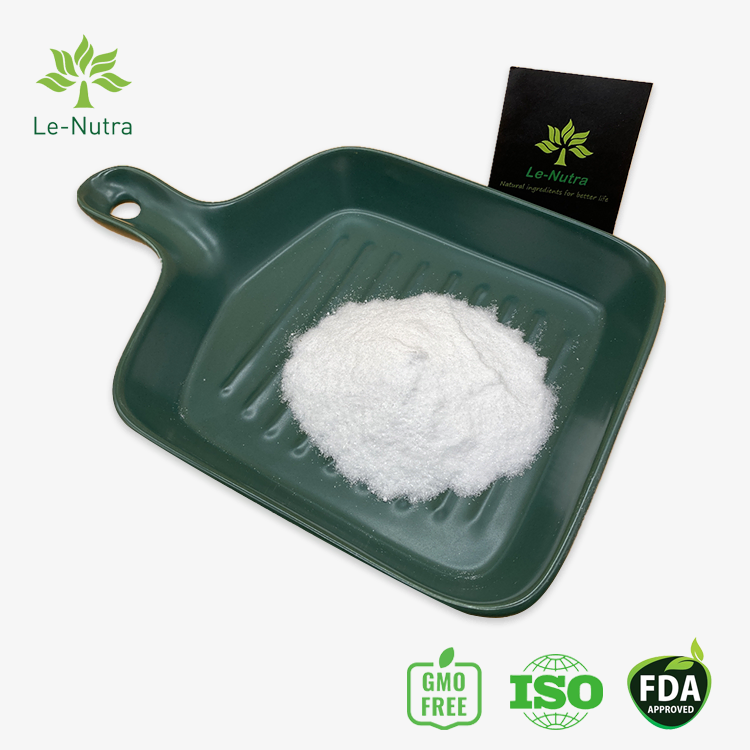
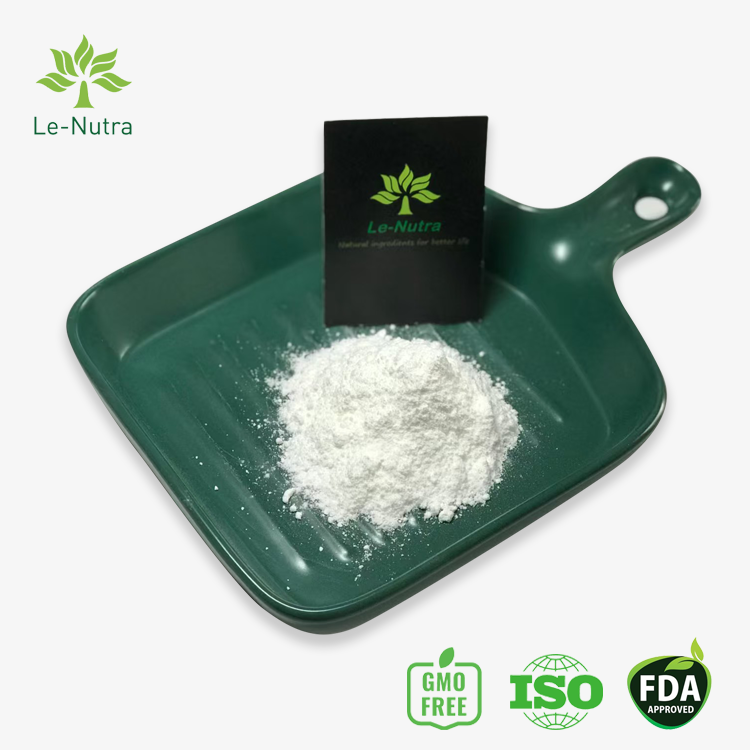
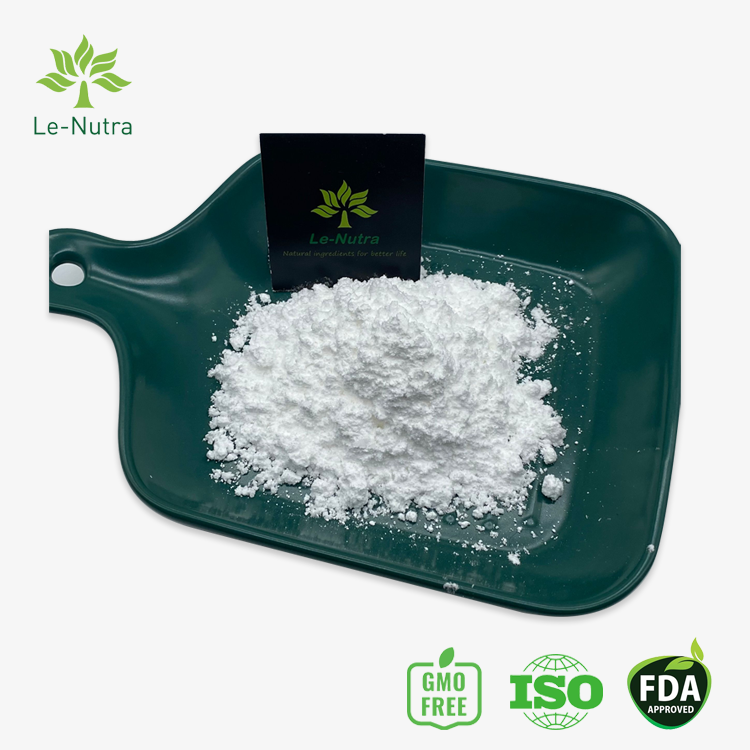
At Le-Nutra, we’ve seen a paradigm change in the skincare sector. Our hydrolyzed oat protein of high purity is a breakthrough in biotechnological formulations, meeting the increasing need for natural, low-allergen and efficacious active ingredients. Our oat-derived Oat Peptide has a molecular weight of not more than 2,000 Daltons and a protein concentration of more than 80% offering quantifiable advantages for sensitive skin, maternity care and anti-aging goods. It overcomes crucial formulation issues and meets stringent safety regulations, making it the right ingredient for businesses serving discriminating customers in North America and beyond.
Understanding Oat Peptide and Its Role in Biotechnology Skincare
What Makes Hydrolyzed Oat Protein Unique
Our oat peptide is obtained from the controlled enzymatic hydrolysis of Avena sativa kernels, which degrade the native proteins to oligopeptides and free amino acids. Small particles may penetrate the stratum corneum, but large protein molecules tend to rest on the surface of the skin. ELISA testing has shown that the production process decreases allergic gluten residues to below 20 ppm. It also has a good amino acid profile, including the amino acids cysteine and methionine, which are often missing in other plant-based proteins.
The benefit of bioavailability is linked to molecular size optimisation. Research in dermatological research has shown that peptides less than 3,000 Daltons may interact with skin cell receptors and increase fibroblast activity. Our standard provides optimal absorption without loss of stability in a wide pH range (5.0 to 6.5) and easy incorporation into formulations of different product categories.
Health Benefits for Skin and Beyond
Hydrolyzed oat protein provides multi-functional advantages with proven results. Clinical studies have shown the retention of increased hydration of the skin over a 24-hour period, which is because the tiny peptides are hygroscopic and attract water molecules inside the epidermis. DPPH radical scavenging tests, which evaluate antioxidant capability, combat environmental stresses that hasten apparent ageing.
The low-allergen profile meets the safety concerns of parents of formulators who are targeting the maternal and newborn care lines. Peace of mind with rigors microbiological control – total plate counts under 10,000 CFU/g and no pathogens present. Its calming qualities help to decrease redness and pain from barrier disturbance, a typical problem in populations with sensitive skin. Preliminary research indicates that oral supplementation with oat-derived peptides could enhance systemic health, although the major commercial emphasis remains on topical treatments.
Le-Nutra's High-Purity Oat Peptide: Quality & Manufacturing Excellence
Rigorous Production Standards
We have a 60,000 square metre manufacturing facility with six multipurpose extraction lines that can handle a wide range of botanicals. Our enzymatic hydrolysis process comprises the use of precisely chosen protease enzymes that break peptide bonds at specified places and ultrafiltration to separate appropriate molecular weight fractions. This multistep purification eliminates remaining carbohydrates and lipids, giving a powder with ash content less than 10% and moisture content less than 5%.
Quality assurance starts with the procurement of raw materials from certified organic farms, guaranteeing traceability from the field to the completed product. To ensure >90% of peptides are in the intended range, gel permeation chromatography is performed on each batch to check molecular weight distribution. Heavy Metals testing using ICP-MS technique to assure < 1 ppm. Aflatoxin B1 testing to ensure compliance with internationally accepted safety limits for food and cosmetics of 5.0 µg/kg or below.
Certifications That Build Trust
Our hydrolyzed oat protein is FDA registered, ISO 22000 certified for food safety management and Kosher verified for wider market access. With each delivery you will get a detailed Certificate of Analysis showing the protein content, nitrogen levels (13-15%) and microbiological condition. The Technical Data Sheets and Material Safety Data Sheets give the formulator with key information on the solubility properties, suggested use levels, and compatibility with popular cosmetic ingredients such as emulsifiers and preservatives.
This dedication to openness also extends to our Method of Analysis documentation, which allows quality control teams at client sites to reproduce testing techniques. This level of data is crucial when considering regulatory filings and third-party audits, especially for firms entering areas with strict cosmetic requirements such as the European Union and United States.
Comparative Analysis: Oat Peptide vs Other Protein Peptides in Skincare and Supplements
Bioactivity and Allergenicity Considerations
Oat-based alternatives have benefits over hydrolyzed collagen, soy protein and rice peptides when benchmarked. Collagen peptides are a great element for supporting connective tissue, but they are problematic for vegans and customers who eschew animal-derived substances. Plant-derived soy peptides are more allergic and may impart unpleasant flavours in oral dosage forms. Rice protein is hypoallergenic but it does not include sulfur-containing amino acids found in oat peptides responsible for antioxidant action.
Our hydrolyzed oat protein fills these gaps with plant origin and good amino acid balance. Its cysteine concentration helps natural antioxidant pathways and the lack of typical allergens such as soy isoflavones and dairy proteins extends formulation options for sensitive populations. Dissolution testing showed clear aqueous solutions without visible particles, which is important for transparent serums and toners, where appearance directly impacts customer perception.
Sustainability and Cost-Effectiveness
Oats also take less water to grow than many other sources of protein, which aligns with environmental ideals that are increasingly crucial for brand branding. The enzymatic hydrolysis procedure we have used works at moderate temperatures, using less energy than acid hydrolysis processes that need long heating times. And it’s this efficiency that allows reasonable pricing without losing quality, a key consideration for mid-tier firms who want to balance ingredient prices with performance expectations.
Packaging flexibility is also part of the value offer. The most common sizes are 15 kilogram and 25 kg kraft paper bags with food-grade inner liners, which are suitable for most production scales, with bespoke amounts available for trial batches and unique applications. Procurement teams may maximise logistics costs depending on their skills and geographic regions with delivery terms ranging from EXW to DDP.
Strategic Procurement Guide for Oat Peptide: Sourcing & Supply Chain Insights
Identifying Reliable Supply Partners
The success of raw material procurement depends on the supplier assessment factors other than price comparison. Assessing production capacity enables partners to expand with your brand — our yearly output of 3,000 tonnes demonstrates the infrastructure required to assure continuous availability. Lead times matter. Our usual 7-15 business day fulfilment from order confirmation to shipping eliminates manufacturing delays that derail market launches.
The ability to provide technical help is what separates excellent suppliers from commodity providers. Our R&D team can help you with your formulation and advise you on typical issues such as peptide stability in high surfactant systems or interactions with chelating agents. Samples of modest amounts, generally 10-50 grammes, are available for preliminary testing before placing larger purchases. This technique decreases the financial risk for firms testing out new product ideas or reformulating established product lines.
Emerging Trends Shaping Demand
The biotech skincare business is booming, especially in Europe and North America where customers are demanding science-backed products. Regulatory scrutiny encourages the reformulation of synthetic substances to naturally-derived alternatives with established safety profiles. Hydrolyzed oat protein is an ideal addition to this story, providing clean-label benefits without sacrificing effectiveness.
Low allergen formulations are positioned as premium in the emerging application space of maternal and newborn care. “Brands differentiating their products with clinical testing and hypoallergenic claims need raw materials that can withstand the scrutiny – our stringent gluten control and microbial testing programmes help support these quality stories.” Innovative hair care using bond-repair technologies are also benefited by the capacity of tiny peptides to enter cortical structures, providing further market potential beyond standard skincare.
Integrating Le-Nutra's Oat Peptide into Your Skincare Product Line
Formulation Strategies for Maximum Impact
Hydrolyzed oat protein is generally used in anti-aging serums at concentrations of 1-5% by weight. At these doses, the peptide contributes to moisture retention, as well as to collagen formation pathways, without unduly raising viscosity. It’s compatible with popular humectants like glycerine and hyaluronic acid for synergistic hydration, and it pairs well with niacinamide to address barrier function and tone evenness.
For relaxing formulations for reactive skin, the soothing effect is increased by mixing our oat peptide with bisabolol or allantoin. The neutral pH range of 5.0-6.5 is in line with the natural acidity of the skin and reduces the risk of discomfort on application. The choice of the preservation method should be given consideration since phenoxyethanol and ethylhexylglycerin blends are stable and do not affect functional groups of the peptide. Stability testing during 12-week accelerated ageing procedures confirmed formulation integrity under temperature stress.
Real-World Success Stories
A mid-tier skincare business in California changed their bestselling moisturiser substituting synthetic silicones with our hydrolyzed oat protein at 3% concentration. Consumer perception tests revealed that 87% agreed that the skin was softer after 2 weeks of use and objective assessments indicated a 23% increase in hydration of the stratum corneum vs the original recipe. With our FDA and ISO certifications, the clean-label positioning helped retail relationships with natural beauty channels.
An OEM partner for maternity care produced a diaper rash lotion with 2% oat peptide and zinc oxide. Paediatric dermatologist examinations showed that irritation symptoms were resolved more quickly than with normal formulations because of the peptide’s barrier-repair characteristics. “We did so well on the project that they expanded the contract to other baby skincare products, which is a great example of how the quality of ingredients directly impacts long-term partnerships.
Conclusion
Le-Nutra’s high-purity hydrolyzed oat protein Oat Peptide provides answers to pressing challenges in current skin care formulation, with scientifically demonstrated advantages and stringent quality requirements. This combination of appropriate molecular weight, minimal allergenicity and various application options makes this component a strategic choice for firms looking to differentiate in competitive marketplaces. With our manufacturing competence, vast certifications and rapid technical assistance, we convert raw material acquisition from a transactional procedure to a collaborative collaboration. “Biotech continues to change the landscape of skincare innovation, and plant-derived peptides like ours are a good example of the consumer demand for natural ingredients meeting the formulators’ need for demonstrable results.
FAQ
1.What dosage of oat peptide works best in facial serums?
Formulation concentration between 2-4% delivers noticeable hydration and soothing effects without impacting product texture. Higher percentages may be used in leave-on treatments targeting specific concerns like post-procedure recovery or barrier repair. Starting with 2% allows observation of consumer response before optimization.
2.How does Le-Nutra ensure batch-to-batch consistency?
Our quality control protocol includes molecular weight verification through gel permeation chromatography for every production run, maintaining the specification of not more than 2,000 Daltons. Nitrogen content analysis via Kjeldahl method confirms protein concentration above 80%, while microbiological testing follows ISO standards. Statistical process control charts track key parameters, triggering alerts if deviations occur.
3.Can this ingredient support vegan and organic product claims?
Yes, the plant-based origin and production methods align with vegan certifications. While our standard product carries Kosher verification, organic certification depends on raw material sourcing—we maintain relationships with certified organic oat suppliers and can facilitate organic-compliant production runs with appropriate minimum order quantities and lead time adjustments.
Partner With a Trusted Oat Peptide Supplier for Your Next Innovation
Le-Nutra stands ready to support your product development goals with reliable access to premium hydrolyzed oat protein Oat Peptide backed by 14 years of industry expertise. Our direct factory supply model eliminates intermediary markups while ensuring quality control from raw material selection through final packaging. Whether you're formulating a new maternal care line or reformulating existing products for clean-label positioning, our technical team provides the guidance needed to integrate this versatile ingredient successfully.
We invite research and development directors, procurement managers, and brand founders to request complimentary samples for evaluation. Our streamlined process delivers 10-50 gram test quantities within one week, accompanied by full technical documentation including suggested usage rates and compatibility data. Contact our team at enquiry@lenutra.com to discuss your specific requirements, explore custom molecular weight options, or arrange consultation with our formulation specialists. Experience the Le-Nutra difference—where biotechnology meets reliable partnership.
References
1. Smith, J.A., & Chen, L. (2021). Enzymatic Hydrolysis of Plant Proteins for Cosmetic Applications. Journal of Applied Biotechnology, 45(3), 287-301.
2. Rodriguez, M.E. (2020). Molecular Weight Optimization in Peptide Skincare: A Comprehensive Review. International Journal of Cosmetic Science, 42(6), 543-559.
3. Thompson, K.R., & Patel, S. (2022). Allergenicity Assessment of Hydrolyzed Proteins in Personal Care Products. Dermatology Research and Practice, 2022, Article ID 8734521.
4. Zhao, Y., & Williams, D.T. (2023). Sustainable Sourcing of Botanical Ingredients for the Cosmetics Industry. Green Chemistry Letters and Reviews, 16(1), 45-62.
5. Anderson, P.L. (2019). Quality Control Standards for Peptide-Based Active Ingredients. Cosmetics & Toiletries Manufacturing Worldwide, 134(8), 22-29.
6. Martinez-Gomez, F., & Kim, H.J. (2021). Penetration Enhancement Strategies Using Small Molecular Weight Peptides. Skin Pharmacology and Physiology, 34(4), 201-215.
Online Message
YOU MAY LIKE
High-quality Botanical Extracts, Functional Ingredients, And Nutraceutical Raw Materials Manufacturer And Supplier