Oct 28, 2026
Senna Leaf Extract: Key Benefits Your Business Needs
If your business sources botanical ingredients for OTC laxatives, digestive supplements, or detox formulations, senna leaf extract powder belongs on your qualified supplier shortlist. Derived from the dried leaflets of Cassia angustifolia, this standardized anthraquinone glycoside ingredient delivers measurable sennoside content confirmed by HPLC — the exact specification OTC manufacturers and contract formulators require to pass content uniformity testing. This post walks through what makes this ingredient worth a serious look, from its functional profile to procurement considerations that matter most to ingredient buyers.
Understanding Senna Leaf Extract Powder: What Every Business Should Know

What It Is and Where It Comes From?
The mature leaflets of Cassia angustifolia (Indian Senna) or Cassia acutifolia (Alexandrian Senna) are used to make senna leaf extract powder. Both the USP and the European Pharmacopeia have a lot of information about how these plants can be used. The standardized sennoside fraction has the CAS number 24198-97-8. Unlike raw leaf material, this extract concentrates the active dianthrone glycosides (sennosides A and B) to a set percentage that has been proven by HPLC methods that are in line with USP and EP guidelines.
How the Active Compounds Work?
Sennosides are not broken down in the upper digestive tract. When they get to the large intestine, microbes that live there change them into rhein anthrone. This chemical acts on the myenteric plexus to speed up peristalsis. This targeted mechanism means that effects usually start within 6–12 hours, which is in line with the performance profile described in the U.S. OTC laxative monograph. The EMA HMPC says that 15–30 mg of hydroxyanthracene glycosides (calculated as sennoside B) per day for adults is a "well-established use" of senna leaf as a herbal medicine.
Why Standardization Matters More Than Price?
Raw plant powder can be different depending on when it was harvested, where it was stored, and how it was handled. That difference is taken away by a standardized extract with a proven sennoside level. Changes in sennoside from batch to batch are not a small problem for over-the-counter (OTC) makers who sell private-label accounts to chain drug stores. They have to do repeat content uniformity and stability testing, which costs a lot more than any savings on raw materials per kilogram. The real reason to buy is consistent potency.
Core Benefits of Senna Leaf Extract Powder for Business Applications
OTC Laxative and Pharmaceutical Applications
As the main pharmaceutical ingredient in stimulant laxative pills and capsules, senna leaf powder extract is primarily used commercially. The particles are 80–100 mesh and have a moisture content of ≤5.0%. This means that standard high-speed tools can be used to directly crush and fill capsules. If a batch of finished goods meets the requirements for content uniformity as outlined in USP <905>, the batch RSD on sennoside content tells us right away. You should do a full qualification audit on suppliers who give you per-batch HPLC COA data that matches the USP senna monograph and not just an internal method.
Colon Cleanse, Detox, and Functional Supplement Formats
The extract is used in many products, such as colon-cleanse capsules, detox tea sachets, and bowel preparation products, in addition to pharmaceutical tablets. A grade that dissolves in water works well in instant teas where even distribution is important. For all of these uses, the sennoside titer needs to stay the same from one production batch to the next. Minor flavonoid fractions' antioxidant activity is an added bonus in detox mixes with more than one ingredient, but buyers still confirm the sennoside level as the most important factor.
Regulatory Positioning Your QA Team Will Ask About
This is often what sets experienced sellers apart from less experienced ones. When sold in the United States, senna products must follow the rules set by the OTC drug standard for stimulant laxatives. In 2018, the European Food Safety Authority (EFSA) raised concerns about the genotoxicity of hydroxyanthracene derivatives. As a result, Regulation (EU) 2021/468 stopped some preparations from being used in normal food categories. Senna-containing goods must be marketed to people in the EU as herbal medicines or controlled dietary supplements, not as normal food ingredients. Any seller who can't directly answer this should be taken off your list of possible suppliers.
Quality and Comparison: Making the Right Choice for Procurement
Certifications That Actually Matter at the Regulatory Level
Our senna leaf extract powder is made in a 60,000 m² facility that is GMP-certified. The factory has been registered with the FDA as a food facility, so we can give you a registration number and information about our U.S. agent. This is a basic requirement for any company that sells over-the-counter ingredients in North America. Each batch comes with a full set of paperwork, such as COA, TDS, MSDS, and MOA, as well as ISO certification and Kosher approval. No, this is not a sales pitch. This is the bare minimum of paperwork that your quality assurance manager will need before approving a new botanical supplier.
Extraction Process and Purity Profile
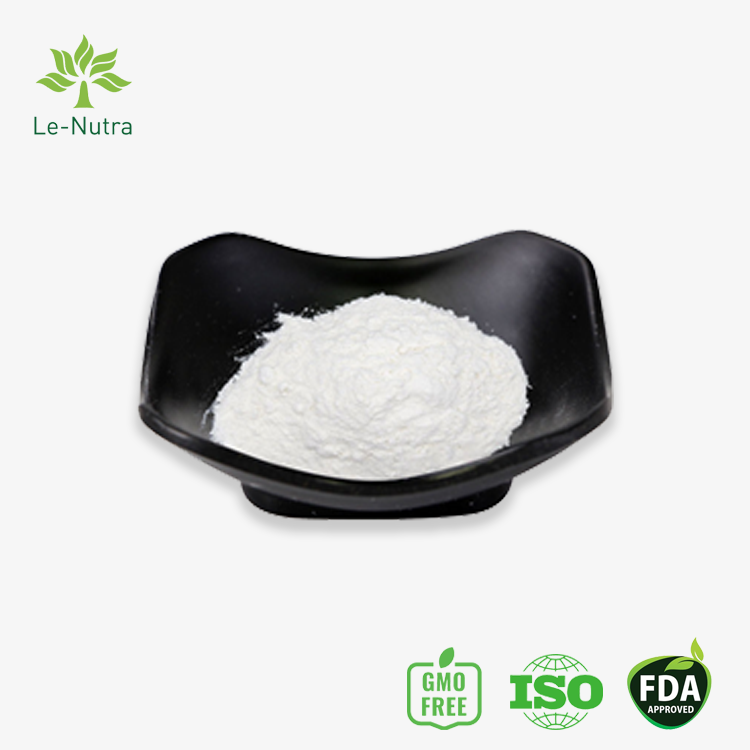
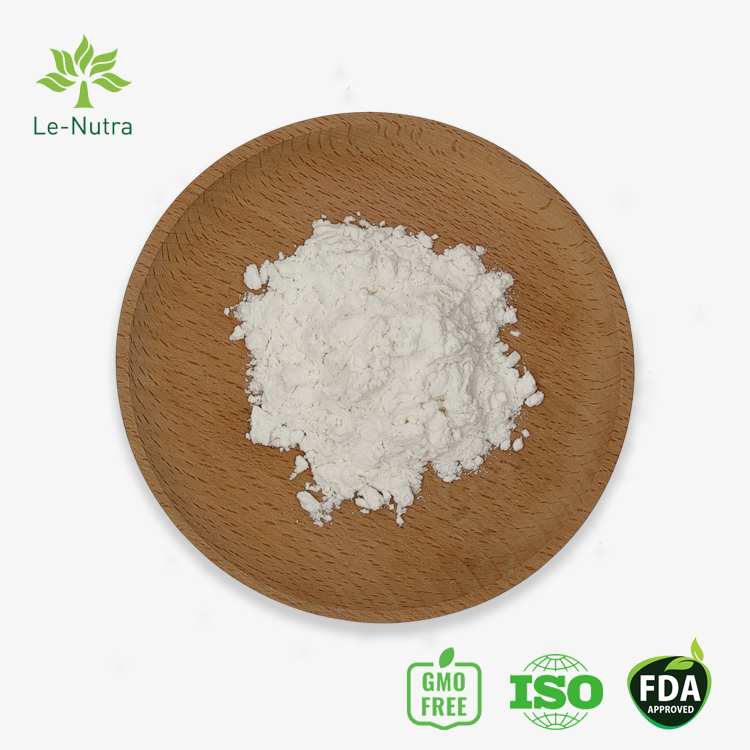
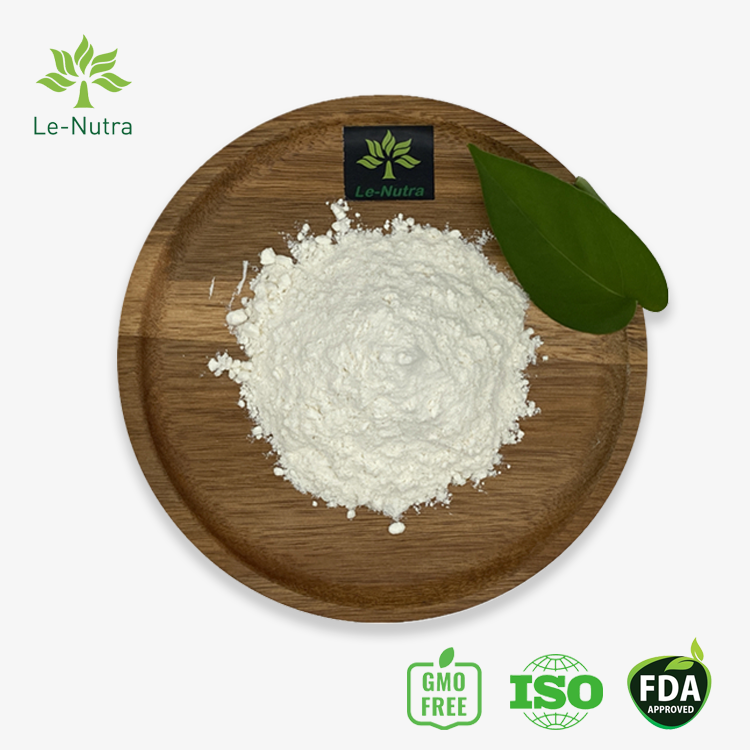
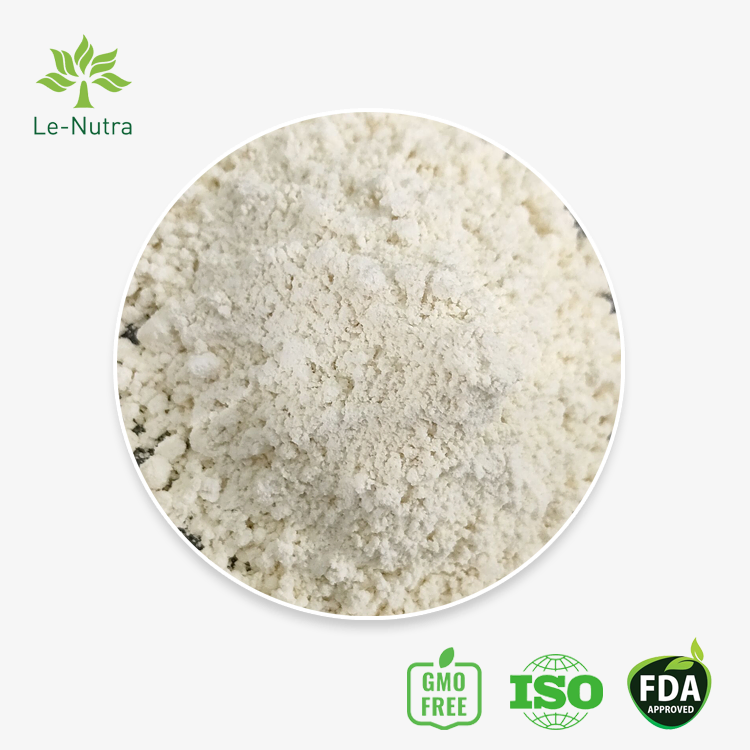
Our low-temperature dual extraction method uses hydroalcoholic liquids in specific amounts to pull out sennosides quickly while keeping the amount of tannin and resin low. Lower resin content directly leads to fewer griping complaints in finished goods, which is a useful quality that your brand's customers will value. Large-molecule impurities can be removed by membrane separation purification without using harsh chemicals. The end result is a fine, brownish-yellow powder that can be measured: it loses about 5% of its weight when dried, heavy metals are below 10 ppm (as shown by ICP-MS), the total plate count is about 1,000 cfu/g, and tests for E. coli and Salmonella come back negative.
Packaging That Protects Sennoside Stability
Anthraquinone glycosides don't like being wet. It is known that big botanical ingredients can go bad because the packing isn't good enough. Our standard pack is a 25 kg fiber drum with a food-grade polyethylene lining that is heat-sealed on both sides before the drum is closed. This type of package directly handles the risk of humidity exposure that breaks down sennoside between production and use. The product will last for 24 months if it is kept in its original, sealed package in a cool, dry, dark place.
Procurement and Supply Chain Insights for Senna Leaf Extract Powder
Verified Sourcing from a Direct Manufacturer
Directly sourcing from the factory lowers the chance of problems like adulteration and mixed-powder that lead to failed finished products and brand-client chargebacks. Le-Nutra can make 3,000 tons of this grade of product every year and keeps more than 30 days' worth of safety stock on hand. Our raw material supply chain goes through contracted Cassia angustifolia farms that get consistent agronomic inputs. This keeps the levels of sennoside stable before extraction starts.
Flexible Terms for Different Buyer Profiles
We help buyers at different levels of scale without changing the way we document things. Here are the terms of buying we offer for all types of buyers:
- Tiered pricing available at 25 kg, 100 kg, and 500 kg order levels, giving distributors and contract manufacturers clear volume benchmarks.
- Delivery terms covering EXW, FOB, CFR, CIF, DAP, and DDP to match your logistics setup and import requirements.
- Payment options include 100% T/T, Alibaba International Trade Assurance, and Western Union for first-time buyers who prefer transaction protection.
- Sample availability of 20–100 g with full specification documentation for laboratory verification before commercial commitment.
These terms are the same whether you are managing a 24- to 36-month supply framework or running a qualification trial. Our export documentation team takes care of the customs paperwork for shipments going to and from North America, Europe, and the Asia-Pacific region, so your logistics team doesn't have to start from scratch and manage the process.
What to Verify Before Finalizing Any Supplier
Before you choose a seller for senna leaf extract powder, your qualification list should make sure: There should be an HPLC method that matches the USP or EP monograph (not just an internal method), per-batch ICP-MS heavy metal results for the four standard elements, pesticide multi-residue screening data, an FDA facility registration number with a U.S. agent contact number, and information on how the packaging was made. You are adding risk to your supply chain when suppliers can't provide all five things in a first-round document filing. This risk will show up at the worst possible time, like during a stability review or a brand-client audit.
Practical Guidance: Using Senna Leaf Extract Powder in Your Products
Dosage Alignment with Published Monographs
The EMA HMPC monograph says that adults should take 15–30 mg of hydroxyanthracene glycosides (as sennoside B) once a day for up to two weeks. The U.S. OTC standard supports the same short-term use; brand-name drugs like Senokot contain 8.6 mg of sennosides per pill. Formulations should stay within these ranges that have been made public. Products meant to be used for longer than two weeks or by pregnant women, children under 12, or other groups need special words on the label and, in some places, regulatory review.
Application Formats Across Product Categories
Sennoside powder can be used in a number of different finished product formats without needing major changes to the formulation. The 80–100 mesh powder at normal fill weights can be used straight to make capsules and tablets. For detox tea sachets to work best, use a grade that dissolves in water. Liquid extract concentrates need more information on how to dissolve, which our technical team can give you along with the results of stability tests. For topical uses where light exfoliating qualities are being tested, cosmetic-grade specs with the right microbiological limits are offered.
Product Development Support
Our research and development team can help you make new medicines by giving you information on how they dissolve, how stable they are under fast conditions, and how much to use based on written pharmacopeia standards. HPLC tests show that the normal grade of our product has 10% sennoside. Based on your dosage goal and the format of the finished product, we can make custom specifications within the commercially validated range, which is usually between 8% and 20%. We can't give you more specifics than this range because higher concentrations aren't safe or within the recommended dosage ranges.
Conclusion
Senna leaf extract powder has a clear purpose in over-the-counter laxative and gut health products. There are technical factors besides price that determine if a supplier is worth considering. These include the stability of the sennoside titer, the alignment of the HPLC method with pharmacopeia monographs, the heavy metal data from the ICP-MS, and the integrity of the packaging. The 14+ years of experience Le-Nutra has with botanical extraction, their GMP-certified production, and their per-batch paperwork package are all things that procurement and quality assurance teams look for in a seller. If the performance of your product line depends on consistent sennoside, then you should be very careful when choosing where to get it.

FAQ
1. What HPLC method does Le-Nutra use for sennoside quantification?
We use an HPLC method aligned with the USP and EP monographs for senna leaf, not an internal method only. Each batch COA includes method reference, chromatographic conditions, and the measured sennoside content as a percentage. This allows your QA team to directly compare our results against pharmacopoeia acceptance criteria without additional method conversion.
2. How does packaging prevent sennoside degradation in transit?
Each 25 kg fiber drum ships with a double-layer food-grade polyethylene inner liner, heat-sealed before drum closure. This construction limits moisture ingress, which is the primary environmental factor that degrades anthraquinone glycoside content during storage and shipping. We recommend storing received material in cool, dry, dark conditions in the original sealed container.
3. Is this product compliant for EU markets?
EU buyers need to position senna-containing products within regulated categories — herbal medicinal products or equivalent supervised supplement frameworks — following EFSA's 2018 genotoxicity assessment and Regulation (EU) 2021/468. Our documentation package supports regulatory submissions in both the U.S. and EU. We can discuss your specific product category and applicable framework during the technical review stage.
4. What is the minimum order for a qualification trial?
We provide 20–100 g free samples with a full specification package for initial laboratory verification. Trial orders from 25 kg are available for formulation-scale testing before you commit to a framework volume.
Source Your Senna Leaf Extract Powder Through Le-Nutra
We at Le-Nutra get our pharmaceutical-grade senna leaf extract powder from a facility that is GMP-certified and has full batch documentation and FDA facility registration on file. You can contact us at enquiry@lenutra.com or visit lenutrabio.com to ask for samples and a full document package, whether you are a contract maker looking for a new botanical API provider or a dealer building a reliable SKU. When people ask technical questions about sennoside content, regulatory positioning, and supply terms, our team answers them right away, without the usual back-and-forth.
References
1. European Medicines Agency (EMA), Committee on Herbal Medicinal Products (HMPC). Community Herbal Monograph on Cassia senna L. and Cassia angustifolia Vahl, Folium. EMA/HMPC/51869/2016, 2017.
2. European Food Safety Authority (EFSA). Safety of hydroxyanthracene derivatives for use in food. EFSA Journal, 2018.
3. United States Pharmacopoeia (USP). Senna Monograph, USP–NF. United States Pharmacopeial Convention, 2023.
4. Commission Regulation (EU) 2021/468. Amending Annex III to Regulation (EC) No 1925/2006 as regards hydroxyanthracene derivatives. Official Journal of the European Union, 2021.
5. Yamaura, K., et al. "Laxative effects and safety of senna preparations: a systematic review." Journal of Pharmacological Sciences, 2011.
6. Wichtl, M. (Ed.). Herbal Drugs and Phytopharmaceuticals: A Handbook for Practice on a Scientific Basis. Medpharm Scientific Publishers, 2004.
Online Message
YOU MAY LIKE
High-quality Botanical Extracts, Functional Ingredients, And Nutraceutical Raw Materials Manufacturer And Supplier