Nov 5, 2026
What Are the Benefits of Berberine Hydrochloride powder?
Berberine hydrochloride powder has many applications in dietary supplements for glycaemic management, lipid balance, gut comfort and antioxidant activity. Berberine is known to activate AMPK, a cellular enzyme involved in energy metabolism. There are also a few human studies showing effects on blood sugar and cholesterol indicators. The results are from studies, not promises of licensed cures, therefore US manufacturers need to be cautious with their labelling. It is designed to be used by procurement, R&D and regulatory teams. The practical advantages, why purity and paperwork are important and how to check a berberine hydrochloride powder supplier before making a test purchase are covered..

Berberine Hydrochloride Powder at a Glance
What Is Berberine Hydrochloride Powder?
Berberine hydrochloride powder is the salt of berberine hydrochloride, an isoquinoline alkaloid which occurs naturally in plants such as Coptis chinensis and Phellodendron. Raw ingredients are collected from Coptis chinensis and Phellodendron chinense then extracted and purified. It is a beautiful golden crystalline powder, 98-99% HPLC. It’s an ingredient, not a whole pill, tablet or liquid. That difference does significant since its application relies on your target market, product category, purity, documentation and manufacturing controls. Some granules are fine in capsules but not in liquids. Food use file is not automatically appropriate for use in cosmetics or creation of medication. Manufacturers should decide on their intended usage before seeking samples.
Molecular Formula and Basic Chemical Properties
Its chemical formula is C20H18ClNO4. The relative molecular mass is approx. 371.81 g mol⁻¹. CAS-No. 633-65-8 It is a golden crystalline powder. Our criteria are: loss on drying no more than 5.0% and total ash no more than 0.1%. It is very little soluble in cold water, soluble in hot water and in alcohol. Light and heat may cause discolouration and loss of stability hence low light handling is essential. various criteria for various vendors. You have to verify each parameter against the current standard and lot specific COA, before you can authorise a berberine hydrochloride powder for production.
Why Manufacturers Use the Hydrochloride Form
It offers formulators a chemical form they know to dose against. If a team tests using HPLC, they can work out the amount of berberine hydrochloride contained in each capsule, and then they can repeat that calculation from lot to lot. Botanical extracts can include other plant compounds, therefore the berberine amount might vary quite a lot with the source and harvest of the plant. The optimal form still relies on the solubility requirements, the dose form, the legal requirements and the local acceptability. The ultimate choice is up to your R&D and quality departments.
Potential Benefits of Berberine Hydrochloride Powder
Support for Glucose and Lipid Balance
Metabolic health is the main focus of most research. In a study published in Metabolism in 2008, people with type 2 diabetes consumed 500 mg of berberine three times a day for three months. The researchers reported reductions in HbA1c and fasting blood glucose. A 2004 publication in Nature Medicine also investigated an alternative approach to reducing LDL cholesterol through berberine, reporting findings in animal models and human participants. Berberine was shown to activate AMPK (Work in Diabetes, 2008). These are study results in certain groups and dosages, and do not allow for therapy claims. Verify each claim before it is used in any completed product that includes berberine hydrochloride powder, since the US structure/function language has to be substantiated and the FDA disclaimer must be included.
Gut Comfort and Inflammation Research
Berberine also attracts interest in gastrointestinal and inflammatory studies. Lab studies suggest it may interfere with specific bacteria and alter the gut microbiome. In our product description it is said that it possesses antibacterial, intestinal-protective and anti-inflammatory qualities. Theranostics. 2019. 15. Review of pathways in cardiovascular and metabolic diseases, including AMPK signalling and gut microbiome impacts. The evidence in people for gut claims is not as substantial as for glucose and lipid indicators therefore it is seen as a supportive benefit. It’s about delivery here. The performance is impacted by dose form, companion compounds like prebiotics and microbial purity. Our microbiological standard is that the total plate count (TPC) must be not more than 250 CFU/g and yeast, mould, E. coli and Salmonella must be negative as per the specifications for gut-targeted formulations.
Antioxidant Activity and Why Quality Shapes Results
Berberine is also studied for its antioxidant effects, where it seems to reduce oxidative stress in cell and animal models. These models are not the same as finished supplements, thus research-use, food-use and medication-development materials should be distinguished by their documentation and permitted uses. No matter the benefit, the results depend on the capsule’s contents. The consumer receives a product whose quality depends on purity, identity, assay, particle size, stability and uniformity of dosage. If the HPLC result on berberine hydrochloride powder is 98% or 99%, formulators have a clear dosage base. You don’t know whether the recipe works until you try the end result. Integrate high purity as an input with formulation work, quality control and market-specific compliance.
How Berberine Hydrochloride Powder Works in Finished Products
Solubility and Dispersion in Liquids
Solubility is a big concern for many design decisions. It is soluble in hot water and in alcohol and very slightly soluble in cold water. Cold drinks, liquids and ready-to-drink sachets may show sedimentation or uneven dispersion. Results depend on temperature, pH, concentration, particle size, time of mixing and test technique. A single solubility figure cannot be provided for all conditions. Make a batch and confirm the results. Compare solubility data under your specific formulation circumstances. For liquids, particle size reduction, dispersants, pH adjustment and addition sequence are often evaluated, followed by tests for consistency after storage. Capsules and pills overcome most of these difficulties, and are hence the conventional solution.
Capsules, Tablets, and Blended Formulas
Normal procedure starts with supplier certification and identity testing, formulation design, mixing, encapsulation or tableting, release testing, packing and stability monitoring. Procurement, R&D, quality, regulatory and production all need to be operating from the same spec. Capsules and pills rely on flowability and consistency of dosage, so request sample amounts to run through your equipment. In mixes it may appear as bright yellow. Our product is suitable for evaluation with Berberis extracts, prebiotics and other botanicals in mixed gut and metabolic formulas. Berberine also has low absorption when taken orally, hence teams will often explore excipients and delivery systems early on. A test run will answer more questions than you could get from a price list.
Feed, Cosmetic, and OEM Applications
Our product description states uses for natural antibacterial feed additives and anti-inflammatory cosmetic raw ingredients together with berberine powder supplements. Feed buyers are concerned with cost per tonne but cosmetic formulators are concerned with colour, irritating data and cosmetic level microbiological limits. Each sector needs its own paperwork and testing. Our product documentation claims that it is stable over a wide pH range and suitable with many cosmetic bases, however a vivid yellow powder may give a tint to a formulation at higher quantities. The R&D team supports formula work, specification revisions, private labelling, custom packaging and multilingual papers for unique projects. Tell us early on what your market, volume, format and certification needs are and we can match a grade to the project.
How to Evaluate Berberine Hydrochloride Powder Quality
Purity, Assay, and the Certificate of Analysis
Purity, assay, and identification are related, but not the same. The 98% and 99% grades are assayed by HPLC, a technique that can isolate and quantify berberine in the presence of related alkaloids. Kindly provide us an acceptable range for the assay as per your need and request for a lot specific COA to be delivered with delivery. A appropriate COA should contain: product name, batch number, date of manufacturing, test methods, assay, appearance, moisture, contaminant data and release status. Also ask any supplier for HPLC chromatogram and impurity data. We can provide documentation like COA, TDS, MSDS and MOA. We have FDA relevant registration, ISO and Kosher certifications in the appropriate certification area. If you are comparing batches of berberine hydrochloride powder, you need to examine the extent and validity of the documentation.
Heavy Metals and Microbial Limits
Purity and safety data should be seen as equal. Our criteria are less than 0.5 ppm lead, less than 1.0 ppm arsenic, less than 1.0 ppm cadmium and less than 0.1 ppm mercury.
Microbial limits:
- Total Plate Count: Not more than 250 CFU/g
- Yeast and Mould: Negative
- E. coli: Negative
- Salmonella: Negative
Prior to distribution, each batch is tested for heavy metals, pesticide residue and microbiological contamination and may be tested by a third party on request. This data offers procurement and regulatory teams something solid to compare vendor to vendor. You should establish your own limitations for each target market and confirm those limits by independent testing of your initial batches.
Packaging, Storage, and Shelf Life
The Berberine hydrochloride powder is sensitive to light and heat, therefore appropriate protective packaging is necessary. It is packed in light-proof fibre drums of 25 kilograms with double-layer food-grade polythene bags. Store in a cool, dry area, away from direct light and heat. Shelf life: 24 months in the original unopened container under the specified storage conditions. This period applies to unopened drums; therefore, have a retest strategy for older materials and follow a first-in, first-out inventory system. Once opened, reseal a barrel firmly to minimise exposure to air and light.
Before shipment, the supplier can provide the commercial invoice, packing list, COA, SDS, certificate of origin and HS code for the buyer's customs clearance and import documentation. Available trade terms include EXW, FOB, CFR, CIF, DAP and DDP, depending on the destination, shipping arrangements and agreed contractual responsibilities.
Safety, Regulation, and Supplier Selection for Berberine Hydrochloride Powder
US Regulatory Basics and Dosage
In the U.S., berberine supplements are controlled by DSHEA. Manufacturers must adhere to 21 CFR Part 111 cGMP and have compliance labelling. These items are not pre-approved by the FDA. Structure/function claims must be substantiated and must be notified to the FDA with the usual disclaimer. Bulk powder is not a consumer dose form, it is a manufacturing component. The dosage will be decided by formula, target audience, claim strategy and berberine per serving and the labels should appropriately represent the berberine hydrochloride content. Serving sizes and warnings should be determined by your scientific, medical and regulatory advisors. For berberine hydrochloride powder to be compliant with your supplier program, ask your supplier what documentation auditors will have to see.
Safety Considerations and European Limits
Berberine is not suitable for everyone and may interact with medicines. Brands should seek professional advice regarding pregnancy, breastfeeding, children, glucose-lowering medications, blood-pressure medications and anticoagulants. European regulations need additional attention. France’s ANSES stated that it could not confirm the safety of berberine-containing supplements and identified pharmacological effects at doses of 400 mg per day. It also recommended against use by young people, pregnant or nursing women and those with diabetes and liver or heart disease. Belgium has specific restrictions on the use of isoquinoline alkaloids in food supplements, including berberine, with a reported maximum daily amount of 10 mg under the applicable national requirements. France requires relevant pregnancy and safety warnings for products subject to its national rules. EFSA is expected to assess botanicals containing berberine in 2026. No approved EU health claims are currently established for berberine. EU buyers should check destination-specific restrictions before purchasing berberine hydrochloride powder.
Choosing a Supplier on Total Cost
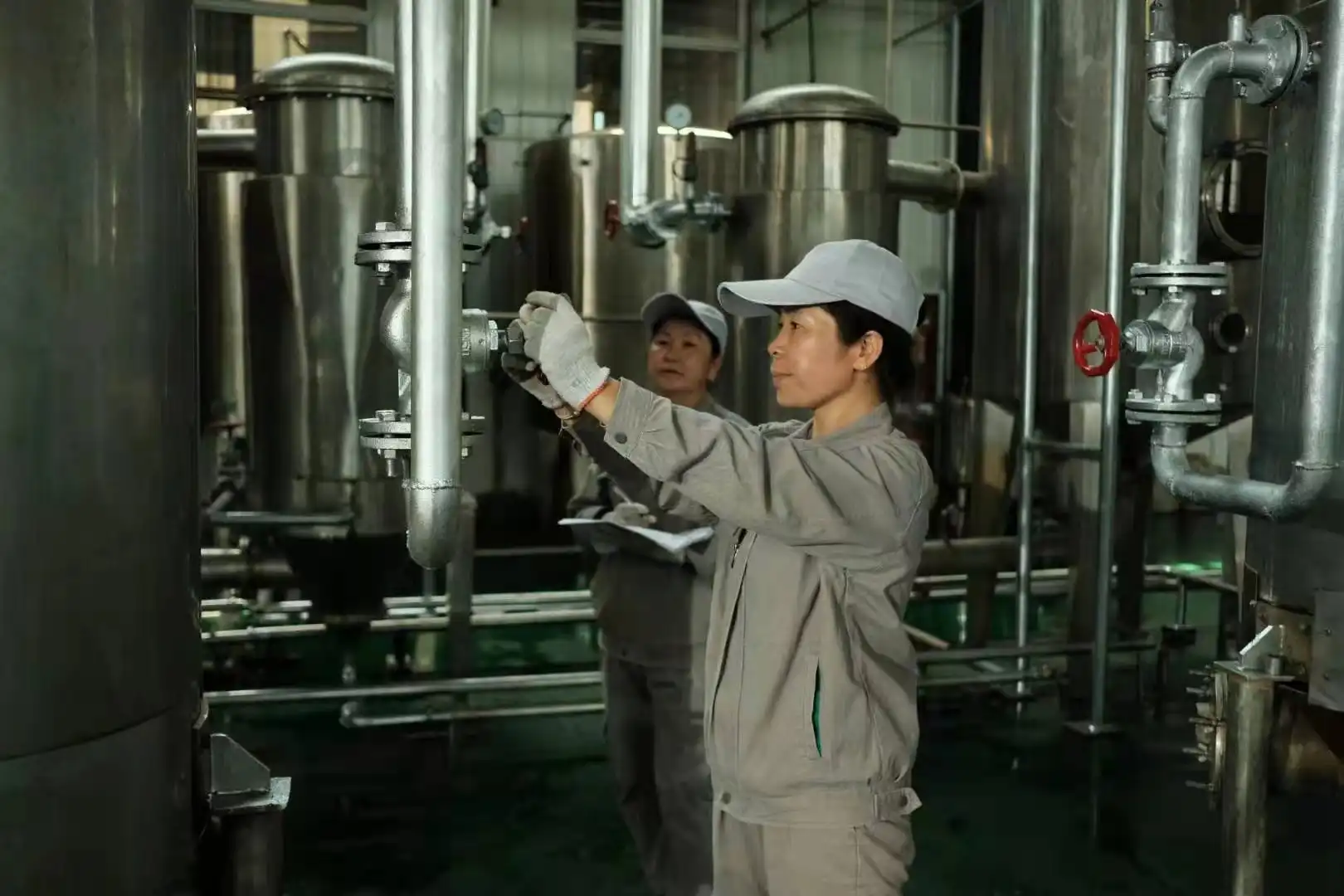
Start by defining the application target, assay, destination market, annual volume, initial order quantity, packaging and certification requirements. Then determine if the source is a manufacturer or just a dealer. Le-Nutra has a 60,000㎡ GMP compliance factory, 6 multi-purpose extraction lines, 3,000 tonnes annual capacity, 14+ years of botanical extraction expertise, 30+ days of safety stock and 98% on-time delivery. Compare the total landed cost rather than just the price per kilogram, including testing, packing, goods transportation, tariffs and paperwork.
Please confirm the MOQ, sample availability, lead time and payment arrangements before placing an order. Factory-direct sales are available, and the MOQ for pilot batches is variable depending on the project requirements. The standard payment arrangement is 100% payment via T/T, subject to the agreed order terms. The berberine hydrochloride powder provider should also tell you how they will notify you of changes.
Conclusion
Berberine hydrochloride powder is desired for investigation on glycaemic balance, lipid balance, gastrointestinal comfort and antioxidant activity, however those findings are not validated therapeutic claims. Its behaviour in the finished product will be determined by its HPLC purity and test accuracy. Also crucial are the management of solubility, light-proof packaging and limitations on contaminants. Capsules and tablets are the most suited forms due to limited solubility in cold water, although liquids need dispersion work and pilot testing. The limitations are set out by DSHEA, 21 CFR Part 111 and the necessity for validated claims in the US, whereas European regulations have stricter limitations and warnings. The practical takeaway is to score the powder on lot-specific documentation, safety inspection and total landed cost, not just price or purity.
FAQ
1. Is berberine hydrochloride powder the same as berberine extract?
No. It is a specified salt with a defined HPLC test. A botanical extract is more variable according to the source and includes various plant compounds. It has different papers and regulatory positions.
2. What is the solubility of berberine hydrochloride powder?
It is soluble in hot water and in alcohol, but only very slightly soluble in cold water. Actual values depend on temperature, pH, particle size and test procedure, therefore request data under your specific circumstances.
3. How can I verify purity before buying?
Request the lot-specific COA, the HPLC chromatogram and contamination results. Check them against your specification, then test a sample in your own lab or in a third-party lab.
4. Can berberine hydrochloride powder be used directly by consumers?
No. Bulk powder is a substance used in manufacturing. Before it gets to customers, it requires regulated formulation, safety evaluation, proper labelling and regulatory compliance.
Request Berberine Hydrochloride Powder Samples From Le-Nutra
Looking for a berberine hydrochloride powder manufacturer that shares its data before you commit? Le-Nutra supplies 98% and 99% HPLC-tested grades with COA, TDS, MSDS, and MOA documents, factory-direct pricing, and OEM/ODM support. Send your application, destination market, annual volume, and packaging needs to enquiry@lenutra.com, and our team will reply with sample details and a quote. You can also review our range at lenutrabio.com.
References
-
Metabolism, 2008. Yin J, Xing H, Ye J. Efficacy of berberine in patients with type 2 diabetes mellitus.
-
Nature Medicine, 2004. Kong W, et al. Berberine is a novel cholesterol-lowering drug working through a unique mechanism distinct from statins.
-
Diabetes, 2008. Turner N, et al. Berberine and its more biologically available derivative, dihydroberberine, inhibit mitochondrial respiratory complex I.
-
Journal of Ethnopharmacology, 2015. Lan J, et al. Meta-analysis of the effect and safety of berberine in the treatment of type 2 diabetes mellitus, hyperlipemia and hypertension.
-
Theranostics, 2019. Feng X, et al. Berberine in Cardiovascular and Metabolic Diseases: From Mechanisms to Therapeutics.
-
U.S. Food and Drug Administration, 2007. Current Good Manufacturing Practice in Manufacturing, Packaging, Labeling, or Holding Operations for Dietary Supplements (21 CFR Part 111).
Online Message
YOU MAY LIKE
High-quality Botanical Extracts, Functional Ingredients, And Nutraceutical Raw Materials Manufacturer And Supplier