Nov 4, 2026
What Are the Effects of Vine Tea Extract?
Vine tea extract powder is a concentrated botanical substance from the leaves and stems of Ampelopsis grossedentata. Its active component is dihydromyricetin (DHM). The primary areas of research include its antioxidant properties, its involvement in alcohol metabolism and its linkages to hepatic, metabolic and inflammatory pathways. Most of the information is based on laboratory and animal studies and human data remain sparse. The impacts are best expressed in rigorous structure/function terminology for brands, not illness claims. I prepared this guide to explain what the research indicates and how to choose a great substance.
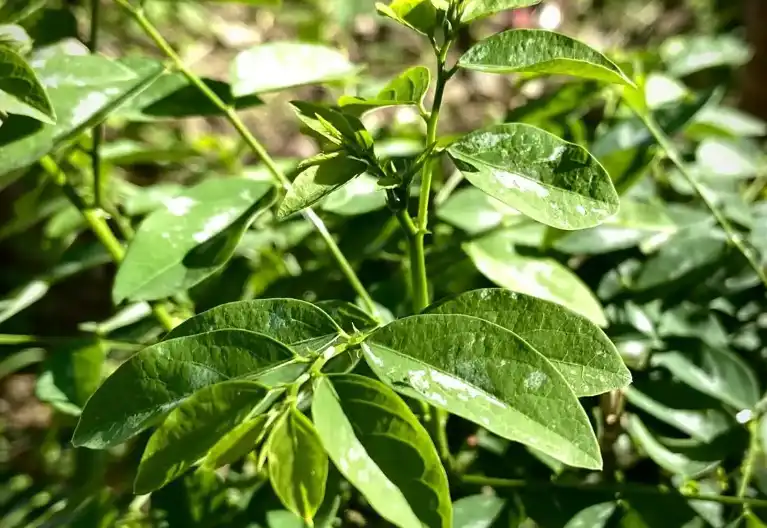
What Is Vine Tea Extract Powder and Where Does It Come From?
Botanical Source and Naming
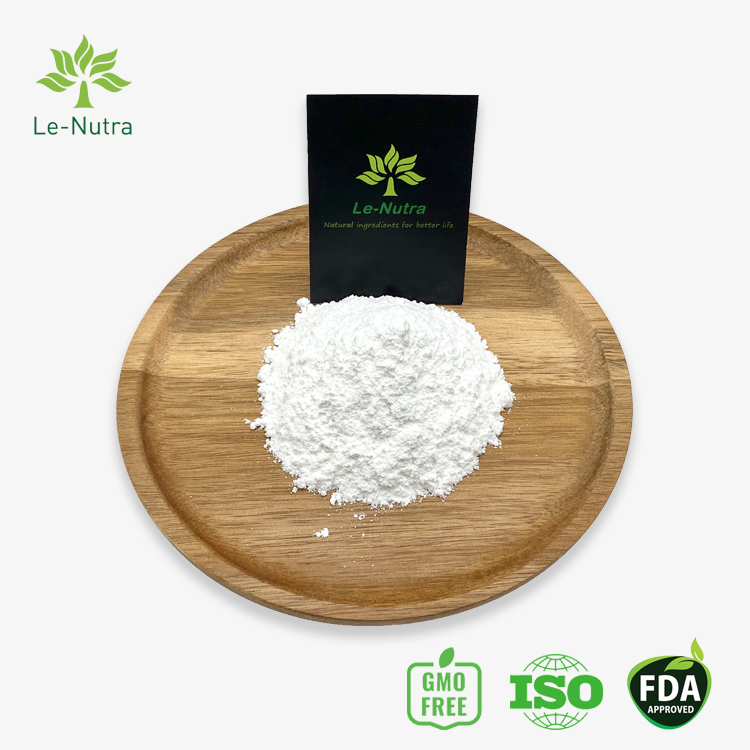
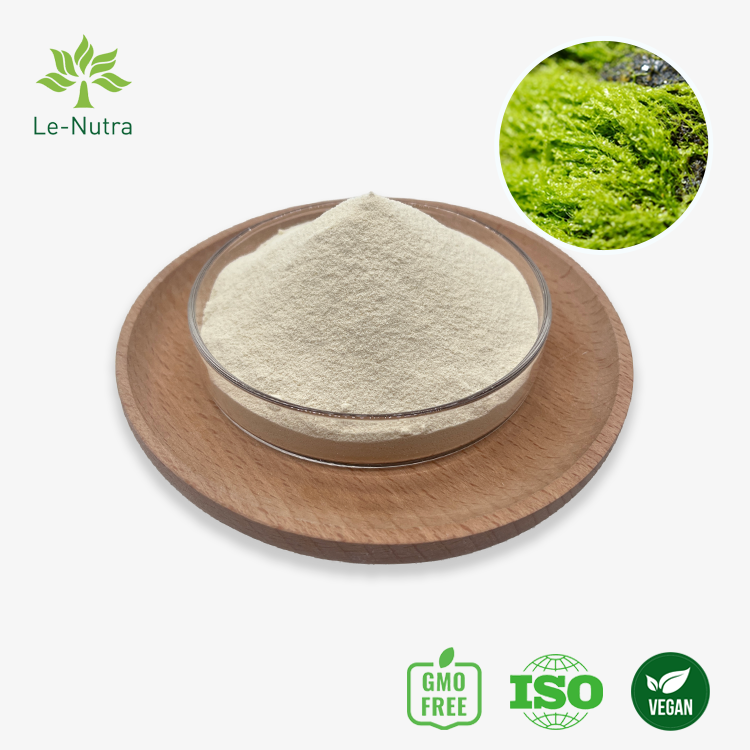
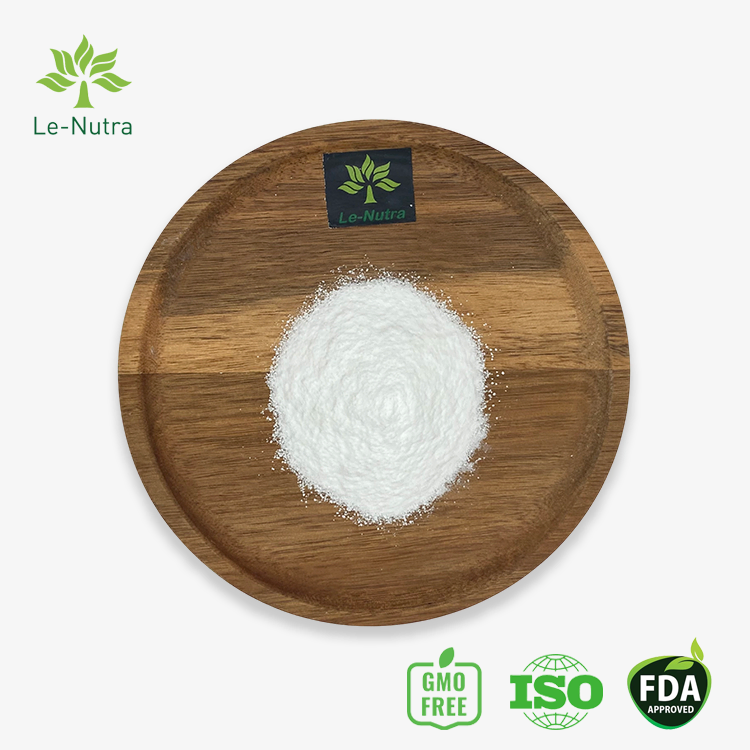
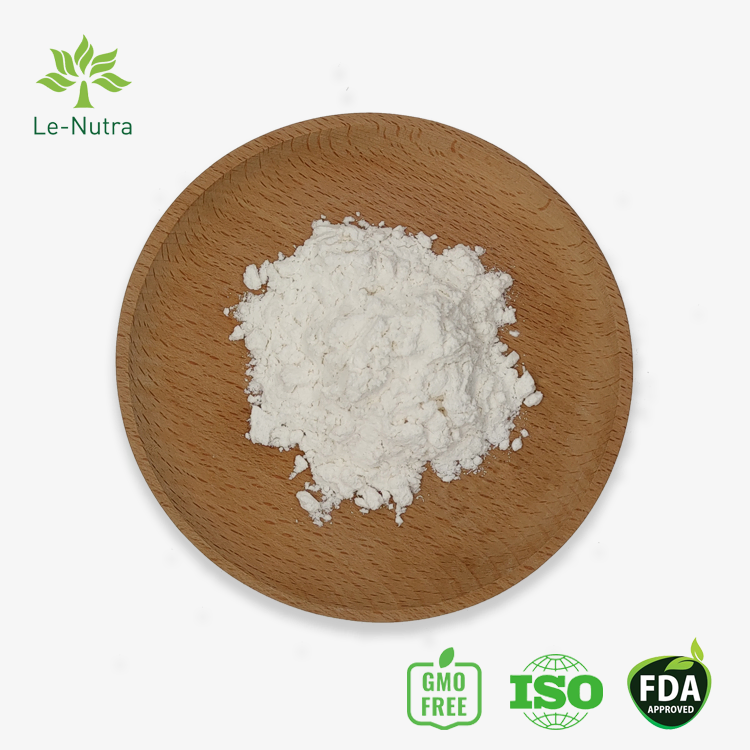
Vine tea is derived from Ampelopsis grossedentata, a woody vine native to the highlands of southern China. Some botanical databases now identify the plant as Nekemias grossedentata, thus I would advise looking for both names on any spec sheet. For centuries the leaves have been made into a tea. Leaves and stems contain polyphenols and the major flavonoid is dihydromyricetin (DHM), also termed ampelopsin (CAS number 27200-12-0). Vine tea extract powder is a concentrated version of these chemicals. At high amounts DHM is a white or off-white powder. A decent vine tea extract powder specification lists the botanical, the plant part, the marker chemical and the technique of test.
Leaf Powder, Extract, and Purified DHM
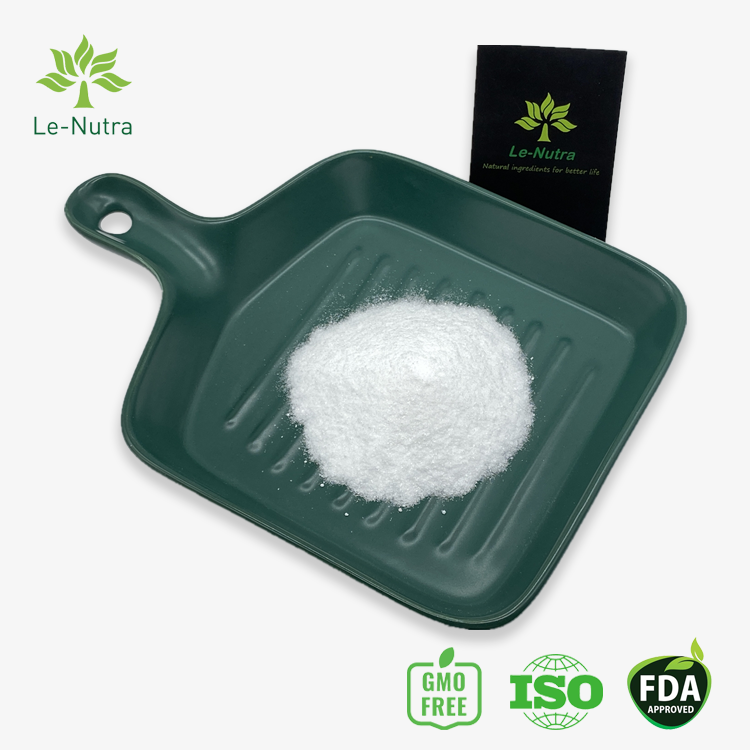
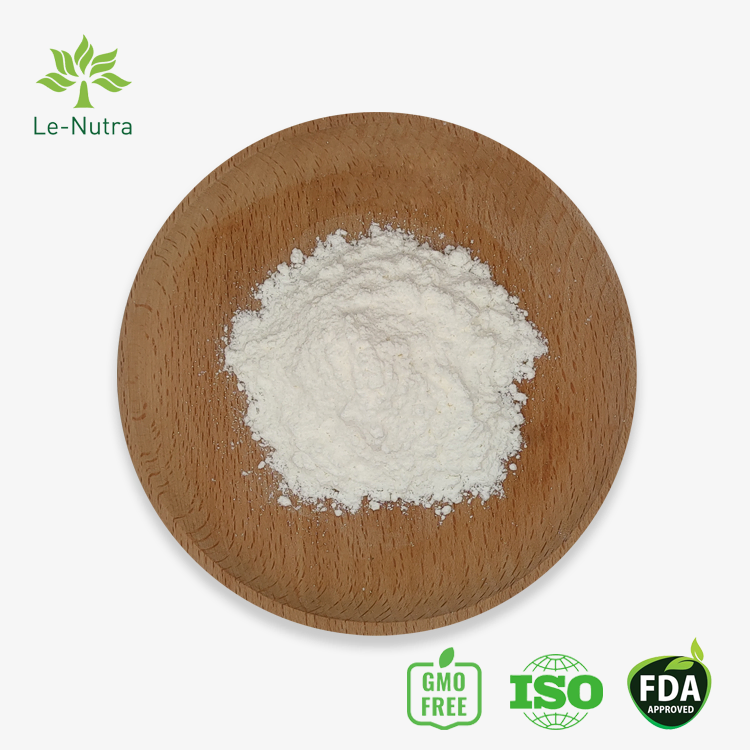
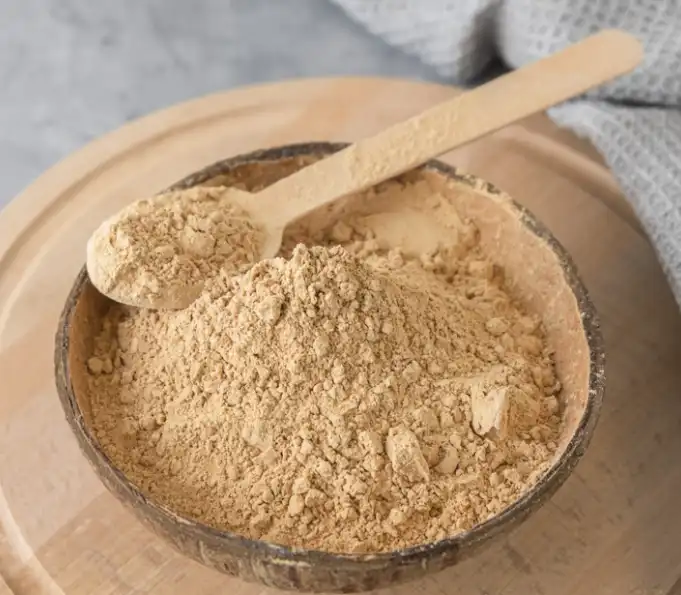
These are not interchangeable words. Ground leaf powder is just milled leaf and has a lower, more unpredictable DHM level. The polyphenols are concentrated in a standardised extract, and the pure form, dihydromyricetin, is a high-assay extract, usually supplied at 98 percent. Each of the three materials is different in potency, flavour, colour, and handling. Le-Nutra has vine tea extract powder with 50%-98% DHM. Our 98% grade is determined by HPLC. When you are comparing quotations, be sure you know precisely what material each provider is quoting. A price per kilo is meaningless unless you know the proportion of DHM and the testing process behind it.
How Vine Tea Extract Powder Is Made
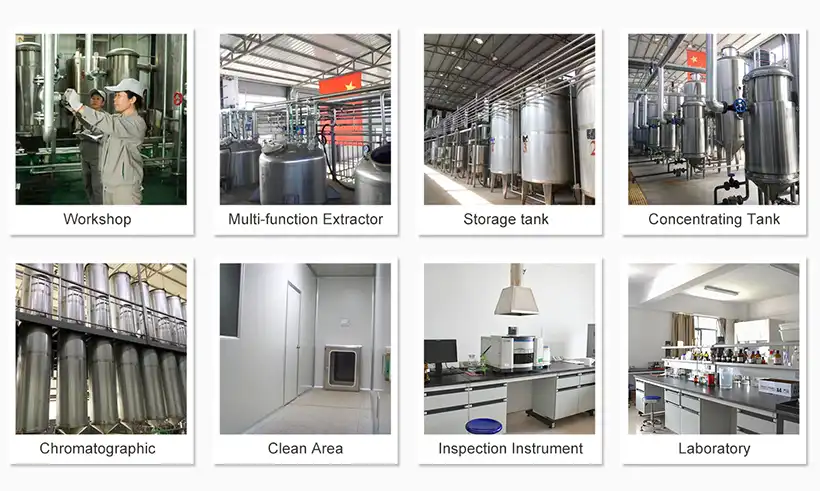
In our GMP plant of 60,000 ㎡ with 6 multipurpose extraction lines and 3,000 tonnes yearly capacity, Le-Nutra uses leaves and stems from high-altitude regions. Our procedures include water-ethanol extraction, ultrasonic extraction, membrane separation, chromatographic purification and spry-drying. Purification eliminates the tannins and other chemicals that impact taste and solubility, while preserving the DHM. The incoming raw material is botanically identified and microscopically examined. TLC and HPLC fingerprintings are done before approval. COA, TDS and MSDS are provided for each lot. The reason why a set process is important is to ensure the DHM concentration and appearance of one batch of vine tea extract powder is the same as the next.
What Are the Main Effects and Potential Health Benefits of Vine Tea Extract Powder?
Antioxidant Activity
The most consistent discovery for DHM is its antioxidant activity. The molecule is a flavanonol with multiple hydroxyl groups. Lab experiments suggest it may scavenge free radicals such as DPPH and ABTS. In cultivated endothelium cells, DHM acted on mitochondrial pathways to protect against damage from hydrogen peroxide, according to a 2015 research in Life Sciences. Cell and chemical tests define a mechanism not an outcome in humans. Results from various assay techniques are not directly comparable. If a brand uses dihydro myricetin, they may characterise the antioxidant qualities as an ingredient characteristic. They should not make a promise on a consumer's health based on a test tube result.
Alcohol Metabolism and Liver Research
Most customers initially enquire about alcohol metabolism. In 2012, an article in the Journal of Neuroscience found that DHM decreased alcohol intoxication in rats and seemed to operate on GABA-A receptors. A 2020 research published in Alcoholism: Clinical and Experimental Research reported that DHM altered lipid and ethanol metabolism in mice exposed to alcohol . Both are research on animals. A 2017 study in Evidence-Based Complementary and Alternative Medicine provides an overview of the broader pharmacology of DHM. Human studies are still limited thus a label on a product containing vine tea extract powder should never suggest it prevents or cures liver disease. That language is a sickness claim.
Inflammation, Cardiovascular, and Immune Research
DHM has also been investigated for anti-inflammatory effects, with studies implicating the NF-kB pathway and cytokine signalling. Cardiovascular investigations examine endothelial function and cholesterol profiles while immunological studies examine macrophage and natural killer cell activity. I have included these things under research interest. They explain why formulators are eyeing vine tea extract powder for health mixes, but are not substantiating completed product claims. Type of evidence matters: cell data, animal data and human trials weigh extremely differently. Before any health statement is used by any company, it should align the phrasing with the strength of the evidence and the regulations of the market in which the product sells.
How Vine Tea Extract Powder Performs in Real Products
What the DHM Percentage Tells You
Performance is not just a pure number. 98% grade gives more DHM per gram, hence fits tiny capsules. A 50% grade allows more flexibility in dosing and is cheaper per kg. The vine tea extract powder is standardised to the active ingredient DHM, the green tea extract is standardised to catechins and contains caffeine, and the grape seed extract is standardised to proanthocyanidins. Vine tea is made from a plant other than Camellia sinensis and is not a source of caffeine. Compare grades by cost per gram of DHM. Check particle size, moisture and flow. Our requirement requires a minimum of 95% passing 60 mesh and a moisture of 1.0% or below.
Capsules, Tablets, and Sachets
Many companies operate capsules and powder sachets in parallel. Capsules: I examine for flowability, fill weight homogeneity, odour and excipient compatibility. Our 98% powder is white to off-white, with particle size and low moisture that allow filling machines to work smoothly. Bulk density varies from batch to batch therefore be sure to ask for a fill-weight check every time you change batch. For sachets, dispersion in the carrier mix and moisture control is particularly important, since moisture may induce caking. We can customise DHM content, particle size distribution and carrier systems to your format, so the powder works for your line, not the other way around.
Functional Beverages
Drinks are difficult. DHM is weakly soluble in cold water, at around 0.2-0.45 mg/mL at 25 °C. Sitting there is a 250 mL drink with 200 mg of DHM at 0.8 mg/mL that is around 2-4x saturation. This may generate haze or sediment. DHM also oxidises irreversibly over 100 °C, thus heat treatment has to be tested. I do not offer a clear drink, just by vine tea extract powder. Consider dry forms such as powder sachets as a lower-risk method and evaluate the final beverage for turbidity, colour and accelerated shelf life.
Dosage, Safety, and Label Claims for Vine Tea Extract Powder
Dosage
There is no standard dosage. Serving size is driven by the DHM %, product format, accessible safety data and destination market restrictions. A 98% grade gives you double the DHM per gram than a 50% grade therefore you have to recalc the serving when you change the grade. Label the quantity of DHM per serving, not just the weight of the extract. Brands should evaluate safety file behind their selected dosage and communicate with a regulatory expert. I do not post a suggested dose for vine tea extract powder since it is a choice for the completed product file.
Safety and Possible Side Effects
Some individuals may be sensitive to concentrated plant extracts and may have moderate stomach upset. Always consult with your doctor before you start any new treatment or if you have a medical condition, are on medication, or are pregnant or breastfeeding. Supply-side concerns include incorrect plants, adulteration, pollutants, improper tests and inadequate storage. That’s why Le-Nutra checks incoming raw material for pesticide residues, heavy metals and microbiological contamination and does heavy-metal testing by ICP-MS. Our criterion is Lead: 2 ppm or less Arsenic: 2 ppm or less Total Plate Count: 10,000 cfu/g or less Salmonella: Negative.
Label Claims in the United States
The Dietary Supplement Health and Education Act (1994) permits structure/function claims, but not claims that a product may prevent, treat or cure a disease. A term like "prevents alcoholic liver damage" goes beyond that threshold. The chemical is described in safer language, such as “contains dihydromyricetin, a plant flavonoid with antioxidant properties.” It also requires the proper FDA disclaimer and a 30 day notice to FDA after commercialisation. Ask vendors to take sickness claims off their own web sites and documentation, too. I would encourage every brand to have their claims reviewed by legal counsel before to launch.
How to Choose and Buy Vine Tea Extract Powder
What to Ask for Before You Buy
Define your application, target market and yearly volume. Request botanical name, plant part, DHM test technique, moisture, microbiology, heavy metals, pesticides, residual solvents, GMO status and allergy data. If a purity claim is made, there should be an HPLC chromatogram to back it up and I would suggest sending a sample of dihydro myricetin to an independent lab to have it retested. Le-Nutra offers a COA, TDS and MSDS for each batch along with third party testing for each batch. ISO & Kosher documentation also available. Compare cost/gram of DHM, and total delivery cost, not just price/kg.
Sampling, Minimum Orders, and Shipping
A feasible purchasing route is specification review to sample testing to pre-production approval to purchase order to batch release and shipping. Le-Nutra provides free sample testing and a minimum order of 25 kg so a first buy may be kept modest. Standard packaging 25 kilogram fibre drum with two layers of food grade polythene bags. Delivery Terms: EXW, FOB, CFR, CIF, DAP, DDP. Payment Terms T/T, Alibaba Trade Assurance, Western Union, etc. Store in the original package in a cool, dry area protected from intense light and heat. The powder is stable for 24 months. We have more than 30 days of safety stock.
What a Capable Manufacturer Provides
A supplier should do more than just send powder. Our R&D and QC team supports solubility work, taste masking, rapid stability testing, bespoke mixing, private label packaging and regulatory documentation for the target market. With a 3,000-ton capacity and over 14 years in botanical extraction, we can help expand a project from a trial lot to bigger projects. The practical test is a test of consistency: the same DHM assay, appearance and fill behaviour from lot one to lot ten. Before you purchase, I recommend ranking any provider on technical fit, regulatory fit, and overall cost, with the lowest unit price getting the least weight.
Conclusion
Vine tea extract powder from Ampelopsis grossedentata contains dihydromyricetin (DHM), which has been studied for its effects on antioxidant activity, alcohol metabolism, hepatic, inflammatory, cardiovascular, and immunological pathways. However, most data come from cell and animal research, so human benefits have not been demonstrated, and any claims must comply with U.S. structure/function criteria. Its performance depends on DHM percentage, solubility, particle size, moisture, and heat tolerance. The 98% grade is suitable for compact capsules and sachets. Beverage applications must be tested because DHM dissolves poorly in cold water and oxidizes under intense heat. Safe use requires proper plant identification, clean test results, and a serving set supported by the finished-product safety file. Price per kilogram is not a reliable buying metric; cost per gram of DHM is, together with batch documentation and independent retesting.
FAQ
1. Is vine tea extract powder the same as dihydromyricetin?
Not really. The major active ingredient is dihydromyricetin and the standardised extract containing it is vine tea extract powder. The 98% grade is largely DHM, whereas the 50% grade contains other plant polyphenols.
2. Does vine tea extract powder dissolve in cold water?
Just a little. Drinks with greater doses may become cloudy, since DHM reaches roughly 0.2–0.45 mg/mL in water at 25 °C. Perform turbidity and shelf testing on all liquid prototypes.
3. What are the minimum order and shelf life?
Le-Nutra’s minimum order is 25 kg in fibre drums with double food grade polyethylene liners. 24 months in its original packaging in a cool, dry place, out of bright light and heat.
4. Can I say it prevents liver damage?
Nope. That’s a sickness claim in the United States. Employ structure/function terminology, include the FDA disclaimer, and have your label reviewed by counsel.
Request Vine Tea Extract Powder Samples and Quotes from Le-Nutra
Want to use vine tea extract powder in your next formula? Le-Nutra is a maker of vine tea extract powder, with a GMP plant of 60,000 ㎡, an annual capacity of 3,000 tonnes, free sample testing, and a minimum order of 25 kg. Email enquiry@lenutra.com with your goal DHM %, product format and yearly volume or visit lenutrabio.com for more. Our staff will get back to you with requirements, a COA and an estimate.
References
1. Journal of Neuroscience, 2012: "Dihydromyricetin as a novel anti-alcohol intoxication medication"
2. Alcoholism: Clinical and Experimental Research, 2020: "Dihydromyricetin protects the liver via changes in lipid metabolism and enhanced ethanol metabolism"
3. Evidence-Based Complementary and Alternative Medicine, 2017: "The Versatile Effects of Dihydromyricetin in Health"
4. Journal of Functional Foods, 2021: "Vine tea (Ampelopsis grossedentata): A review of chemical composition, functional properties, and potential food applications"
5. Life Sciences, 2015: "Dihydromyricetin protects endothelial cells from hydrogen peroxide-induced oxidative stress damage by regulating mitochondrial pathways"
6. Dietary Supplement Health and Education Act, 1994 (U.S. Public Law 103-417)
Online Message
YOU MAY LIKE
High-quality Botanical Extracts, Functional Ingredients, And Nutraceutical Raw Materials Manufacturer And Supplier