Nov 5, 2026
What Are the Uses and Benefits of Boswellia Extract Powder?
Boswellia extract powder is a standardised herbal extract from the resin of Boswellia carterii, purified to provide measurable levels of boswellic acids, the pentacyclic triterpenes that are responsible for its anti-inflammatory actions. If you are a business-to-business client looking for ingredients for joint-health supplements, functional skin care or animal nutrition, this extract has a scientifically defined, HPLC-verified active that you can label with confidence and use in every batch. In this post you’ll learn how it works, what it may be used for, how to create it, and what to look for when buying boswellic acid powder in bulk.
Understanding Boswellia Extract Powder: What It Is and How It Works
Botanical Origin and Chemical Identity
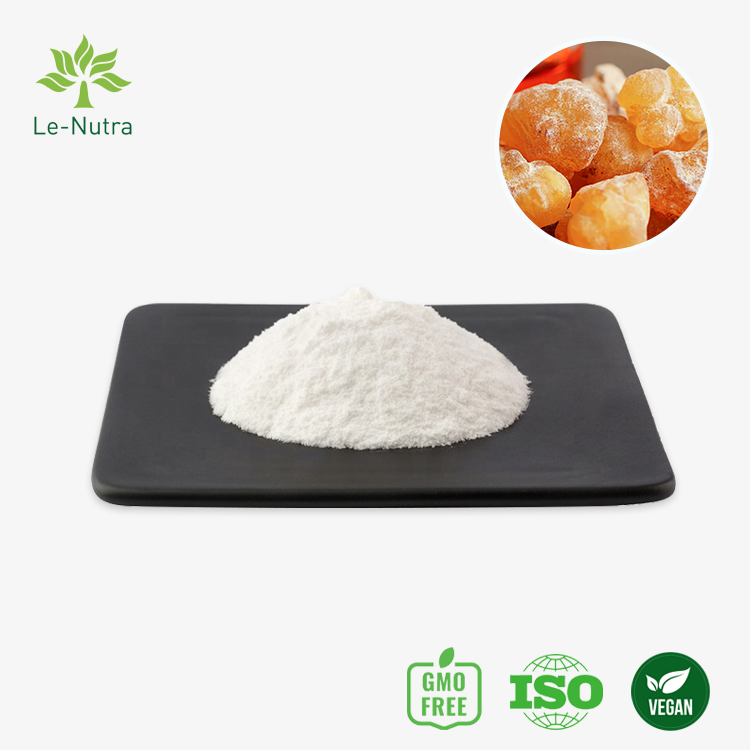
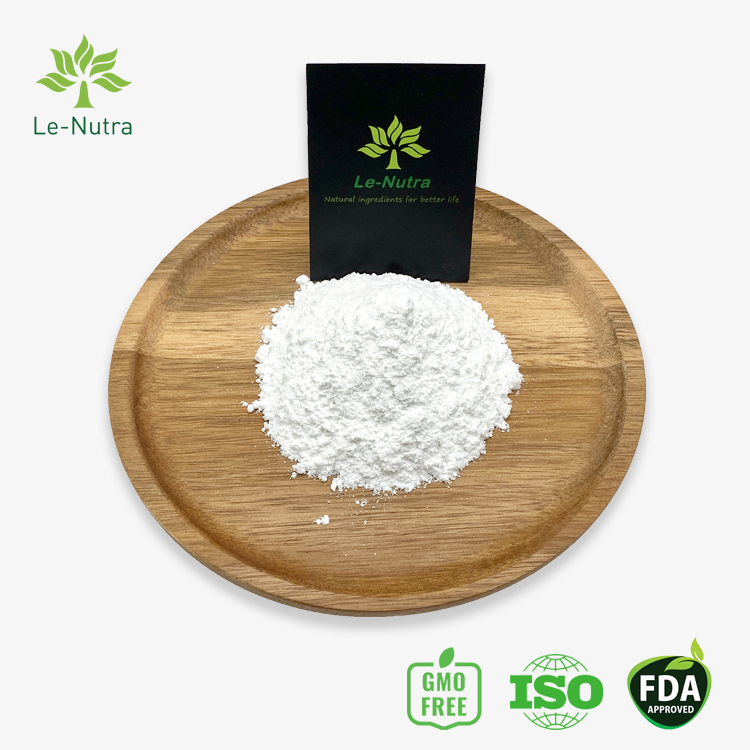
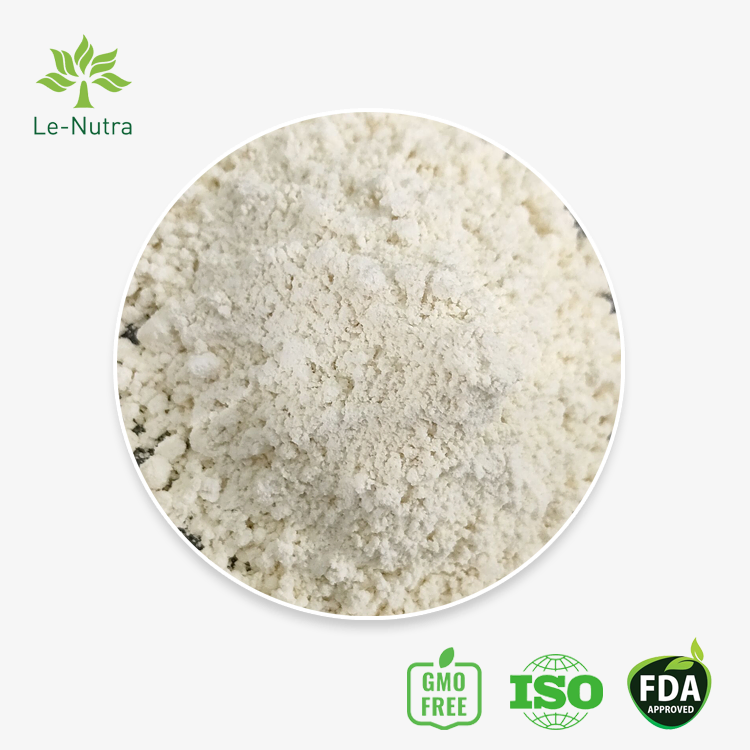
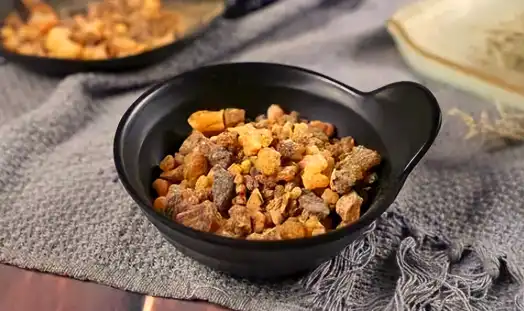
People make Boswellia extract powder from the oleo-gum resin that comes from Boswellia carterii trees. It has the CAS number 631-69-6. Boswellic acid is what makes the powder work. It is fine and off-white. AKBA and KBA make up most of them. The 5-lipoxygenase (5-LOX) enzyme is what makes the leukotrienes that cause inflammation. These two compounds help inhibit this pathway.
How HPLC Changes Everything for Buyers?
You can find a lot of things in stores that say they have "65% total boswellic acids" by titration. It doesn't just count the ones that can be used in medicine, though; it counts all of them. These kinds of products only have 2% to 3% AKBA. This means that the claim on the label and the QC retest will not match up. The HPLC test looks for and quantifies individual boswellic acids, including AKBA and KBA, separately. This provides a more detailed active-compound profile than a total-acid titration result and helps buyers verify whether the ingredient meets its stated specification.
Powder vs. Raw Resin: Why Form Matters in Manufacturing
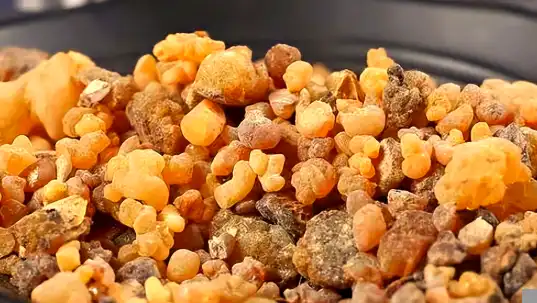
Raw Boswellia resin is a sticky, variable plant material that contains resinous compounds, gum and volatile components. It is not as easy to handle or standardise as a processed extract. Boswellia extract powder is produced through extraction, concentration and drying, which helps provide a more consistent boswellic acid profile and a form that is easier to weigh, blend and incorporate into capsules, tablets and other formulations. For manufacturers, the key differences are standardised active content, handling characteristics, batch consistency and compatibility with production equipment. Buyers should therefore compare the extraction specifications and HPLC results rather than treating raw resin and standardised powder as interchangeable materials.
Comprehensive Uses and Benefits of Boswellia Extract Powder
Joint Health and Musculoskeletal Support
Unlike other NSAIDs, boswellic acids selectively inhibit 5-LOX without damaging the stomach lining. In human studies, standardised boswellic acid powder (100-250 mg AKBA equivalent) increases knee mobility and decreases stiffness ratings in those with osteoarthritis. This is an attainable active for long-line joint health solutions that need clinical backing as well as clear safety profiles.
Skincare and Cosmetic Applications
Boswellic acids may also be utilised directly in cosmetics, as they help combat free radicals and reduce inflammation. They are matrix metalloproteinase inhibitors and may help control sebum, soothe surface redness and slow visible signs of ageing. Cosmetic firms are often in need of low-odour standards and cosmetic-grade specifications. Normal powder is sticky and may affect the formulation's smell. Check the colour and aroma parameters before evaluating the material.
Circulatory, Immune, and Functional Wellness Uses
Boswellia extract powder is also used in products for improved circulation and to help the body recover from stress, as well as being helpful for skin and joints. Its pain-relieving properties are attractive in sports recovery mixes, and lung health companies are interested in its impact on the leukotriene pathways and the immune system. These secondary uses mean that an ingredient may be used in more than one product category.
Comparing Boswellia Extract Powder with Alternative Supplements
Boswellia vs. Turmeric (Curcumin)
Boswellic acids and curcumin both affect inflammation, although in different ways that are connected in some manner. AKBA targets 5-LOX, whereas curcumin mostly inhibits NF-κB and COX-2. They are often used together, since their combined action impacts more components of the inflammatory network than each one alone. As long as they are using the same formula, procurement teams need independent information on the stability of the mix. This is because the shelf life of the final product depends on factors such as colour and pH.
Boswellia vs. Glucosamine
Glucosamine and boswellic acids assist in the discomfort and swelling surrounding the joint. Glucosamine provides building blocks for the cartilage matrix, while boswellic acids act on inflammatory pathways. Some of the finest joint goods have brought together all three of these components. This is because they all contribute to the formula in different ways. Speak to your service provider about the stability and suitability of all three materials. Reviewing the intended formulation and supporting evidence is a practical way to make sure you have the appropriate recipe.
Organic vs. Conventional Sourcing
Organic boswellia extract powder is in accordance with labeling standards meant to put high-end natural items in their proper position. It costs more than ordinary boswellia extract powder. Use HPLC to assess the AKBA level for business-to-business usage. Solvent residue data should be obtained for ethyl acetate or ethanol extraction, and the results should meet applicable USP guidelines. All four heavy metals (As, Pb, Cd, Hg) should be below the relevant specification limits. For an item to pass the quality control inspection, it’s not enough for it to be healthy.
Procurement Considerations for B2B Buyers: Sourcing High-Quality Boswellia Extract Powder
Certifications and Documentation Checklist
The paperwork set you ask for is just as important as the description sheet when you are looking for boswellia extract powder. This is what a good supplier should provide:
- COA (Certificate of Analysis): HPLC results on a batch basis, indicating KBA and AKBA levels separately, not a combined “total boswellic acid” figure.
- TDS (Technical Data Sheet): Physical and chemical data, including particle size (95% passes 80 mesh), loss on drying (≤5.0%) and bulk density.
- MSDS (Material Safety Data Sheet): Transportation and handling safety classification.
- Solvent residue report: Results showing that residual ethanol or ethyl acetate levels are within applicable pharmacopoeial limits.
- Microbial panel: Total plate count ≤ 1,000 CFU/g, Yeast & Mould ≤ 100 CFU/g, E. coli not detected, and Salmonella negative.
Your quality control team will have everything they need to fully examine the products upon delivery and then certify the label is proper using the combination of these papers.
Packaging, Storage, and Logistics
Le-Nutra sends boswellic acid powder in 25 kg fibre drums that are lined with two layers of plastic bags that are safe for food. Because it's made from resin, the powder may be sensitive to moisture, and this package helps protect it. The date it was made is the starting point for calculating its shelf life. Keep it somewhere cool and dry, not in the sun or heat. For shipping terms, you can pick EXW, FOB, CFR, CIF, DAP, or DDP. You can use Western Union, T/T, or Alibaba Trade Assurance to pay.
Customization Options Worth Asking About
Boswellia extract powder that has 65% boswellic acid is a good choice for most joint health needs. But SKUs that cost a lot might need more AKBA or different shapes and sizes. The following changes can be made to your order by Le-Nutra: With HPLC, the amount of boswellic acid can be adjusted to 65%, 75%, 85%, or 95%.
Silicon dioxide is added to help the material move so that the lines can run smoothly. This helps reduce caking and interruptions during production. Cyclodextrin or lecithin are used as carriers in grades that allow liquids like drinks and soups to be formulated. Liposomal or phytosome systems can be added to mixes to improve delivery characteristics, along with boswellic acid.
Stock that is ready to be stamped with a brand name can have its own label and packaging.
- Boswellic acid concentration adjusted to 65%, 75%, 85%, or 95% by HPLC.
- Silicon dioxide added as a flow agent for high-speed encapsulation lines—this directly addresses caking and machine downtime.
- Water-dispersible grades using cyclodextrin or lecithin carriers for beverage and liquid applications.
- Liposomal or phytosome complexing for formulations targeting improved bioavailability.
- Private labeling and custom packaging for brand-ready supply.
You only need to find a new seller when your needs change. You can work with the same seller for more than one SKU.
Safe Usage, Dosage, and Side Effects: What B2B Clients Should Know
Dosage Ranges by Application
A lot of products have between 300 mg and 1000 mg of boswellia powder in each dose. More pills can hold the same amount of active ingredient when the grade is high (85–95% boswellic acid). Both the cost and the number of pills that need to be made go down. You need to see how the makeup works on your skin before you decide how much to put on it.
Contraindications and Safety Flagging
Boswellia powder shouldn't be taken by women who are pregnant or who are nursing. It may inhibit some cytochrome P450 enzymes in the liver. If more than one drug is given at the same time, the blood level of those drugs may rise. When people use the product and read the labels, it should be clear how this works. There must be a standard FDA statement on US supplement labels next to a claim about how the supplement works or is put together. They don't have the right to say they're sick. In their safety reports, the people who make the finished goods should talk about the liver enzyme interactions.
Regulatory Notes for US and EU Markets
In the US, 21 CFR Part 111 cGMP rules say how boswellic acid ingredients can be used in supplements. Just because a supplier says their goods are "compliant" doesn't mean they are novel foods. The status of each recipe and use has to be checked. EU Implementing Regulation (EU) 2022/1383 says that Boswellia serrata powder can be added to horse and dog food to make it taste better. For animal food, this provides a regulatory basis for the authorised use described in the regulation.
Conclusion
Boswellia extract powder may help support joint health and address inflammatory pathways through mechanisms that differ from those of conventional NSAIDs and other plant-based ingredients like curcumin. For people who work in buying, the most important quality indicators are physical factors that support consistent production, solvent residue compliance, and verified KBA and AKBA content by HPLC. It's very important to find a supplier that gives you both a total boswellic acid number and separate AKBA and KBA results. This will help ensure that label claims remain accurate and can be verified through quality checks. Boswellia powder has been used in products for skin care, joint health, and animal nutrition, provided that the formulation, quality specifications, and applicable regulatory requirements are met.
FAQ
1. What is the difference between titration and HPLC testing for boswellia extract powder?
Titration finds all the organic acids in a sample, even the acidic ones that aren't useful for therapy. This often leads to false reports of higher potency. HPLC separates and measures KBA and AKBA separately, which are the two parts that affect clinical outcomes. Professional buyers ask for HPLC data because it is the only way to write a label claim and then test again to make sure it is true.
2. Can boswellia extract powder be used in liquid or beverage formulations?
The native boswellic acids are lipophilic, i.e. they are not soluble in water until they are modified. If you want liquid applications, look for a standard that can be solubilized in water using cyclodextrin inclusion complexes or lecithin-based emulsification. Without these carriers, the usual oleoresin powder will not combine correctly in water-based formulations.
3. How do I prevent caking during manufacturing?
It is resinous and will tend to clump together particularly when the relative humidity is above 50%. Maintain temperature and humidity in your work space at around 45% RH. Or you may request boswellia extract powder with silicon dioxide added to make it flowable. This is particularly beneficial for high-speed encapsulation lines.
4. Is boswellia extract powder safe for all end users?
People who are pregnant or nursing should not use it without consulting a healthcare professional. It may also inhibit enzymes in the liver that break down certain drugs, potentially affecting their blood levels. These warnings should be included in your product's instructions and on any labels that people see.
5. What certifications should I ask a supplier for?
At the very least, you should ask for proof that the facility is registered with the FDA, ISO certification, a current COA with HPLC results that show KBA and AKBA separately, MSDS, TDS, and solvent residue data. Kosher certification and results from third-party microbial testing are also good signs.
Source Your Boswellia Extract Powder Through Le-Nutra
They make boswellia extract powder in a 60,000-square-meter GMP-approved factory in Xi'an. They've been doing this for 14 years and can make 3,000 tons of powder every year. We have stuff that has been checked with HPLC and is known to contain 65–95% boswellic acid. It has a COA, TDS, MSDS, and data on solvent residues, so you know everything you need to know. Feel free to order samples first to be sure the quality is good. Go to lenutrabio.com or email our tech team at enquiry@lenutra.com to find out prices and other details.
References
1. Siddiqui, M. Z. (2011). Boswellia serrata, a potential antiinflammatory agent: An overview. Indian Journal of Pharmaceutical Sciences, 73(3), 255–261.
2. Abdel-Tawab, M., Werz, O., & Schubert-Zsilavecz, M. (2011). Boswellia serrata: An overall assessment of in vitro, preclinical, pharmacokinetic and clinical data. Clinical Pharmacokinetics, 50(6), 349–369.
3. Sengupta, K., et al. (2010). A double blind, randomized, placebo controlled study of the efficacy and safety of 5-Loxin for treatment of osteoarthritis of the knee. Arthritis Research & Therapy, 12(4), R85.
4. Ammon, H. P. T. (2006). Boswellic acids in chronic inflammatory diseases. Planta Medica, 72(12), 1100–1116.
5. European Commission. (2022). Commission Implementing Regulation (EU) 2022/1383 authorizing Boswellia serrata extract as a feed additive for horses and dogs. Official Journal of the European Union.
6. United States Pharmacopeia. (2023). Dietary supplements—General chapter on residual solvents. USP–NF, General Chapter ⟨467⟩.
Online Message
YOU MAY LIKE
High-quality Botanical Extracts, Functional Ingredients, And Nutraceutical Raw Materials Manufacturer And Supplier