Nov 3, 2026
Why Can Senna Leaf Extract Relieve Constipation?
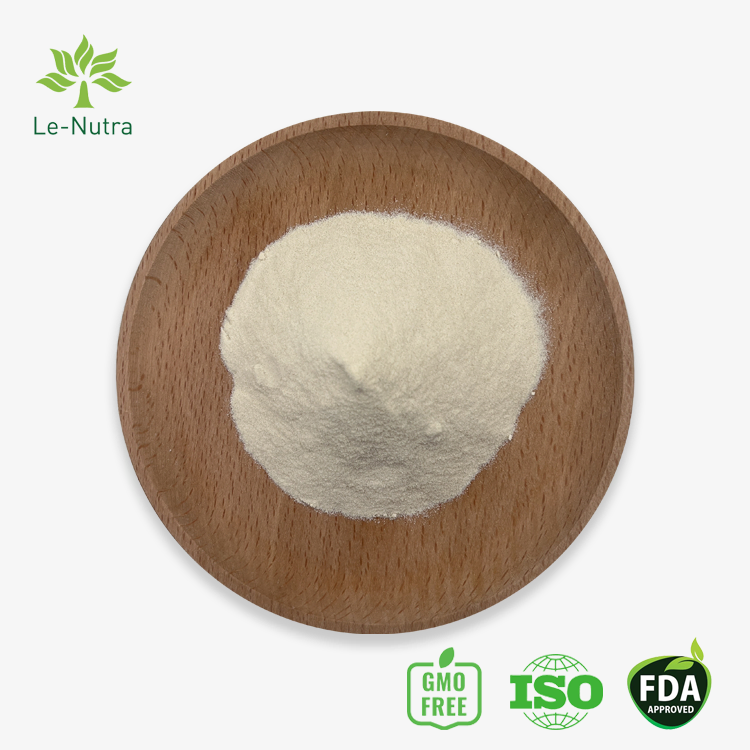
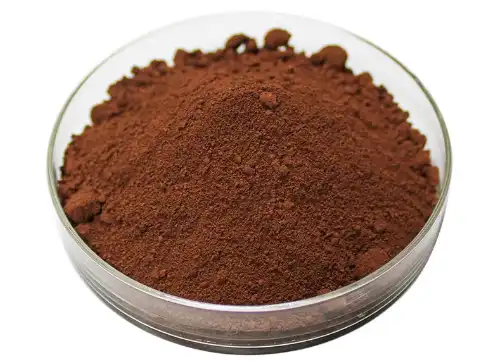
Senna leaf extract powder works by delivering concentrated hydroxyanthracene glycosides — mostly sennosides A and B – straight into the large intestine. These bioactive substances activate the myenteric nerve plexus resulting in peristaltic contractions and boosting fluid secretion into the colon. This makes the stool softer and transit time faster, usually within 6 to 12 hours. This botanical extract is obtained from the leaves of Cassia angustifolia and is standardized to a specific level of sennoside, providing OTC laxative makers with a dependable, pharmacologically predictable active ingredient that has decades of clinical usage behind it.
Understanding Constipation and Its Challenges
The American Journal of Gastroenterology says that around the world, sixteen percent of people have trouble going to the bathroom. People who make over-the-counter gut health products need to know how to make them, but they also need to know what people want their products for.
What Constipation Actually Is?
Constipation is when you have less than three regular bowel movements a week. You may feel like you're not getting rid of everything, have pain, and have hard stools. People with these symptoms often have stomach pain and bloating, which makes their quality of life worse and makes them look for over-the-counter remedies.
Limitations of Conventional Laxatives
Most of the over-the-counter (OTC) medicines on the shelf are synthetic laxatives and osmotic agents, but both of these have issues. When you use manufactured bisacodyl a lot, it can start to depend on you. It takes a long time for polyethylene glycol and other osmotic agents to work because they need a lot of water. There are more and more people looking for plant-based alternatives that they believe are safer and more natural.
Why Natural Botanical Options Are Growing?
The market for natural laxatives is slowly growing around the world because people like options that come from plants. This creates a real business opportunity: companies that use a standard botanical laxative stimulant can make their products more competitive in North America and Western Europe, in both health food stores and pharmacies.
How Does Senna Leaf Extract Powder Work to Relieve Constipation?
Quite a bit is known about how sennoside powder work as medicines. When procurement workers and formulators know how the system works, they can make more sure decisions about where to source goods.
The Active Mechanism of Sennosides
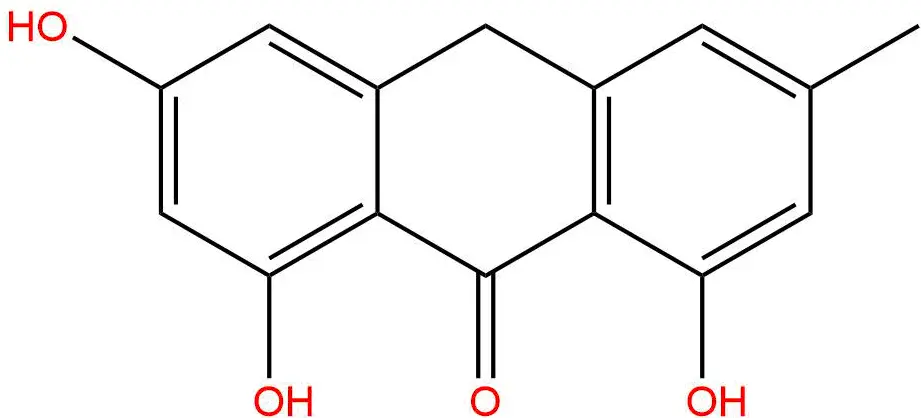
As they move through the stomach and small intestine, sennosides don't change much. In the colon, they are converted to the active form of the medication, rhein anthrone, by bacteria. Rhein anthrone stimulates the enteric nervous system, increasing peristaltic activity and inhibiting water and nutrient absorption. This makes it simpler to go since the stool is softer.'
Standardized Extract vs. Raw Leaf Powder
Because it comes from different places and times, the amount of sennoside in crude senna leaf powder is very different. This discrepancy is rectified by a powder of the leaves of senna. If the sennoside content is verified by HPLC, e.g. 10% sennosides by USP or EP monograph procedures, the manufacturers may know exactly what dosage they are making and can fulfill Content Uniformity standards without having to build the product from scratch each time.
Clinical Evidence Supporting Efficacy
It is known by the European Medicines Agency (EMA) HMPC monograph as a "well-established use" plant drug that can help people who have short-term constipation. It states to take 15 to 30 mg daily of hydroxyanthracene glycosides estimated as sennoside B. in the US, senna may only be marketed as an over-the-counter laxative under the terms of the FDA monograph. Senokot and comparable medications have 8.6 mg of sennosides per tablet and start working in 6 to 12 hours.
Health Benefits, Dosage, and Safety Considerations
A responsible manufacturer needs more than just information about how well the product works before they decide where to get it. They also need information about how safe the product is and how well it follows the rules.
Dosage Guidelines for Formulation
Adults should only take 15–30 mg of sennosides (as sennoside B) once a day, before bed, for no more than two weeks without seeing a doctor. This range is in line with what the US OTC monograph says. The people who make medicines should make sure that the doses are correct and that the labels have the right warnings.
Safety Profile and Contraindications
Doses that are meant to be taken for a short time are thought to be safe for most people. These groups of people need extra care:
Pregnant women should avoid using senna-based products unless advised by a doctor. Many stimulant laxatives may cause contraction of the uterus.- Do not give Senna products for adults to children under 12 years old.- People with inflammatory bowel disease, intestinal blockage or long-term renal illness need to be followed up by a doctor.
- Pregnant women should not use senna-containing medications without seeing their physician, since stimulant laxatives might cause uterine contractions.
- Senna formulations with adult doses are not for children under 12 years.
- Physician monitoring is required for patients with inflammatory bowel disease, intestinal blockage or chronic renal disease.
These warnings need to be on the labels of products so that they follow FDA OTC monograph rules and so that platforms don't complain or hold brands accountable.
European Regulatory Context
EU manufacturers and sellers of pharmaceuticals should note that EFSA’s 2018 safety assessment was concerned about the potential for DNA damage by hydroxyanthracene derivatives. As a routine procedure, Regulation (EU) 2021/468 then banned the sale of various mixtures containing hydroxyanthracene as normal food additives. Senna products produced in Europe can only be sold as herbal medicines or in certain restricted varieties. Normally they are not sellable as food additives. If a buyer cannot provide a clear response to this question, it should be a red signal for purchasing teams.
How to Choose and Source High-Quality Senna Leaf Extract Powder
Comparing prices isn't the only way to find the best source of ingredients. When you sign a 24- to 36-month outline deal, the price per kilogram is not as important as making sure that the supply is stable and that the terms are always met.
Quality Indicators Worth Verifying
If the procurement team wants to accept a seller, they should make sure the following technical conditions are met:
- Sennoside content confirmed by HPLC, aligned with USP or EP monograph methods — not an in-house method only
- Batch-to-batch RSD (relative standard deviation) for sennoside content, ideally below 3% to avoid content uniformity failures
- ICP-MS heavy metal testing (lead, arsenic, cadmium, mercury) and multi-residue pesticide screening
- Microbiological limits: total plate count ≤1,000 cfu/g, yeast & mold ≤100 cfu/g, E. coli and Salmonella negative
- Moisture content ≤5.0% to prevent anthraquinone degradation during storage
These signs work together to give the QA and law teams the information they need to quickly turn them in.
Packaging and Storage Requirements
For bulk botanical extracts, a 25 kg fiber drum with a food-grade polyethylene lining on the inside is the standard container. Moisture breaks down the sennoside directly, which starts the cycle of reformulation and re-validation that buying teams want to avoid. This is why the double shell is needed. Keep drums somewhere cool and dry, away from heat and direct sunlight. They should last 24 months if they are kept that way.
Supplier Certification Checklist
Make sure you have all of their information in one package before you choose a service. On this list are the COA for each batch, the TDS, the MSDS, the method of analysis (MOA), and the Kosher and Halal licenses, if needed. Make sure that the facility has registered with the FDA as a food facility and can give you the registration number and the US agent's contact information. ISO approval and GMP compliance are also important parts of a training file that people will trust.
Practical Applications in B2B Manufacturing
Standardized sennoside extract is an important part of a lot of different kinds of goods. Distributors and contract manufacturers can make better plans for SKUs if they know the best ways to use them.
OTC Stimulant Laxative Tablets and Capsules
For me, this is the most important app. Senna leaf extract powder that is made well has particles that are 80 to 100 mesh in size. This means that tablets and capsules can be crushed directly by high-speed equipment. Every tablet meets the Content Uniformity requirements set by the USP because the sennoside content is standardized. This is done without going too far.
Detox and Colon Cleanse Formulations
More and more people are buying herbal detox teas and pills that clean out the stomach. A kind of senna powder that mixes with water works well in ready-to-drink mixes and quick tea bags. It's not always the same amount of sennoside that is extracted when you steep raw, dried leaves, but these things always give you peristaltic effects.
Market Trends Driving Demand
People in North America and Europe who buy over-the-counter (OTC) gut health products are still buying more. Natural stimulant laxatives are getting a bigger part of the market. More and more people want pharmacy-brand products to have active ingredients that are natural and not made in a lab. Chain shops and mass-market stores with private-label programs can get more from contract producers who can get a steady supply of standardized senna extract.
Conclusion
Sennosides reach the colon intact, change to rhein anthrone through gut bacteria, and increase bowel peristalsis while keeping more fluid in the bowel. This is how senna leaf extract helps with constipation. But for B2B drugmakers, it's not enough for the drug to work; they also need to be able to show that the levels of sennoside are the same from batch to batch using HPLC methods that follow the rules for drugs. Procurement teams are sure they can get enough from a single source for a long time if that source can show stable sennoside levels, clean heavy metal and pesticide profiles, and all the necessary regulatory paperwork.
FAQ
1. Is senna leaf extract safe for long-term daily use?
No. Both EMA HMPC guidance and FDA OTC monograph standards recommend limiting use to one to two weeks without medical supervision. Extended daily use may cause electrolyte imbalance and reduce normal bowel muscle tone. Formulated products should carry clear label advisories stating the maximum duration of use.
2. What is the difference between senna leaf extract powder and senna pod extract?
Both derive from Cassia angustifolia, but the leaf and pod (fruit) contain different sennoside profiles and concentrations. Senna leaf extract is more commonly standardized for pharmaceutical applications. The EMA maintains separate monographs for senna leaf and senna fruit. Procurement teams should specify the botanical part and sennoside concentration in their purchase specifications.
3. What are the optimal storage conditions for bulk senna extract?
Store in a sealed container in a cool, dry location away from direct light and heat sources. Moisture is the primary risk — humidity accelerates anthraquinone degradation and reduces measured sennoside content. Properly stored in the original 25 kg double-lined drum, shelf life is 24 months. Do not break the inner polyethylene seal until the material is ready for use in manufacturing.
4. Does your facility hold FDA food facility registration?
Yes. Our facility has completed FDA food facility registration. The registration number and US Agent information are available upon request as part of the supplier qualification document package.
Partner with Le-Nutra for Verified Senna Leaf Extract Powder Supply
You can get pharmaceutical-grade senna leaf extract powder from Le-Nutra. It has been standardized by HPLC to contain 10% sennosides. This stuff is made in a 60,000 m² plant that is GMP-approved and can make 3,000 tons of it every year. Senna leaf extract powder is all we make, and we offer all the legal paperwork, a COA for each batch, ICP-MS heavy metal data, and 25 kg double-lined fiber drum packing. You can get samples for free that weigh between 20 and 100 g. You can go to lenutrabio.com or email [enquiry@lenutra.com] to get a detailed dossier and rates.
References
1. European Medicines Agency (EMA), Committee on Herbal Medicinal Products (HMPC). Community Herbal Monograph on Cassia senna L. and Cassia angustifolia Vahl, Folium. EMA, 2018.
2. European Food Safety Authority (EFSA). Safety of hydroxyanthracene derivatives for use in food. EFSA Journal, 2018.
3. Wald, A. "Constipation: Advances in Diagnosis and Treatment." JAMA, 2016.
4. Ramkumar, D., & Rao, S.S.C. "Efficacy and Safety of Traditional Medical Therapies for Chronic Constipation." American Journal of Gastroenterology, 2005.
5. Brusick, D., & Mengs, U. "Assessment of the genotoxic risk from laxative senna products." Environmental and Molecular Mutagenesis, 1997.
6. United States Pharmacopeia (USP). Senna Leaf Extract Monograph. USP–NF, 2023.
Online Message
YOU MAY LIKE
High-quality Botanical Extracts, Functional Ingredients, And Nutraceutical Raw Materials Manufacturer And Supplier