Nov 3, 2026
Azelaic Acid: A Multifaceted Marvel for Skin Health
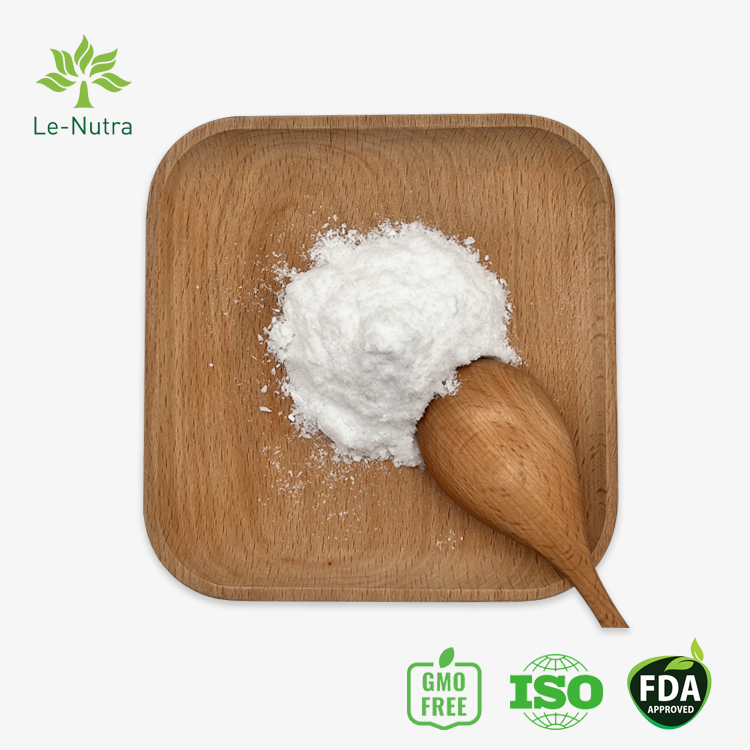
As of late, azelaic acid powder has been getting a lot of attention from people who work in skincare formulation or B2B ingredient sourcing. This fine white powder, which is scientifically called nonanedioic acid (CAS 123-99-9), has gotten a lot of attention in the fields of skincare and cosmetics production, and for good reason. It treats acne, makes the skin brighter, reduces inflammation, and repairs damaged skin all in one ingredient that is up to 99% pure. It's also very gentle, so it's safe for people who are pregnant or have sensitive skin. Understanding this factor well is the first thing that brand founders, OEM developers, and buying managers need to do to make better goods.
Understanding Azelaic Acid Powder — Chemical Properties and Skin Benefits
If you use oxygen to break down pure oleic acid, or if it happens naturally in grains like wheat and barley, you can get azelaic acid powder (C9H16O4). By HPLC analysis, our azelaic acid powder is ≥99.0% pure. It has a freezing point range of 104–109°C, a moisture content of ≤0.5%, a heavy metal content of ≒0.001%, and 98% of the particles are below 50µm, with at least 30% being below 30µm. It's clear and colorless when 5ml of the material is mixed with 1% NaOH. This means that the impurities have been controlled.
How It Works on Skin at the Cellular Level
Azelaic acid powder is known to work in two well-known ways. For starters, it stops the growth of Propionibacterium acnes and Staphylococcus epidermidis. These are the germs that make acne happen. In addition, it stops tyrosinase activity in melanocytes that are working too hard. In this way, it lightens and lessens hyperpigmentation after inflammation. This is a better way to improve skin tone over time than hydroquinone because it doesn't harm regular melanocytes.
Anti-Inflammatory and Antioxidant Activity
Not only does azelaic acid powder help with acne and dark spots, but it has also been shown to reduce inflammation by stopping the production of ROS and pro-inflammatory cytokines. There is proof in the Journal of the American Academy of Dermatology that a 15% concentration can help treat papulopustular rosacea. Because of these qualities, it is a good choice for skin care products that want to help skin that gets red or irritated easily.
Why the Particle Size Specification Matters
The size of the particles in azelaic acid powder affects how well it works in finished goods. It is better for the product to stick to the skin when it is applied if the particles are spread out more evenly and a lot of them are smaller than 30μm. This makes the suspension more stable and less rough on the skin than when the particles are bigger. This is something that formulators who make serums or gel-cream mixtures should pay close attention to when they are looking at suppliers.
Application and Safety Guide for Azelaic Acid Powder
Azelaic acid powder is found in a lot of face creams, lotions, and serums. How well it works depends on the skin problem you want to treat, the concentration, and the way it was made. It melts between 104°C and 109°C, so it usually needs heat or a carrier solvent to mix properly when it is being made.
Recommended Use Concentrations by Product Type
Regulations in both the EU and the US make it clear what the limits are on quantity. There can be up to 10% azelaic acid in rinse-off products and up to 15% in leave-on products in the EU. There are numbers between 10 and 20% that people in the US buy over-the-counter. On the other hand, prescription-strength versions may have higher concentrations. Most cosmeceuticals that want to improve acne-prone or uneven skin tone work in the 10–15% range.
Safety Profile and Skin Tolerance
It's great that azelaic acid powder doesn't tend to make skin red and itchy. Many studies with patch tests have shown that it is safe for people with sensitive skin and won't harm babies. This means it can be used while pregnant, which isn't possible with most active ingredients. Most of the time, side effects are mild and don't last long. Like, you might feel tingling or a little pain in the beginning weeks of use.
Storage and Handling Requirements
When you store ingredients the right way, they keep their value over time. That being said, azelaic acid powder should be kept in a safe, cool, dry, well-ventilated area that is not near heat sources or high humidity. Keep the package tightly closed after you open it so that it doesn't soak up water and start to cake. Our goods come in 25 kg fiber drums that are sealed with two layers of plastic bags made for food safety. These bags do a good job of keeping the item safe while it's being stored or shipped.
Comparative Analysis — Azelaic Acid Powder vs. Other Popular Ingredients
They often compare azelaic acid to other actives when they are coming up with ideas for new products. This product works better than the most popular ones for acne and teeth whitening in real life.
That's why lipophilic acid is often used to get rid of oil and clean out pores. Women who are pregnant should not use it, though, because it can make them itchy if they use more than 2%. Azelaic acid powder, on the other hand, does more than one thing at once: it lightens skin, kills germs, and reduces redness. For people with sensitive skin, it can't do this at the same level of tolerance as salicylic acid.
A lot of people use niacinamide to clean their skin and make it brighter. It works well with azelaic acid in mixtures that have more than one effect. Niacinamide, on the other hand, does not directly treat bacterial acne, so it cannot be used to treat inflamed breakouts on its own. Azelaic acid powder, which doesn't cause a lot of irritation, fills that gap.
But benzoyl peroxide can color clothes and make them very dry. It is very good at killing germs on the skin. Also, you shouldn't do it or shouldn't allow it while you're pregnant. Better for brands that want to reach customers who are sensitive, pregnant, or prone to rosacea is azelaic acid powder.
Because of these differences, companies that want to sell their goods as both successful and inclusive like azelaic acid powder a lot. This is because it can reach more people than most single-function actives can.
Smart Procurement of Azelaic Acid Powder — What B2B Buyers Need to Know
To find good azelaic acid powder, you need to do more than just look at price lists. Procurement managers with a lot of experience look at the following things first when they hire a new azelaic acid powder supplier.
These are the most important things that regulators look at to make sure that your recipe is safe and that you are following the law:
- Checking for purity: Make sure that the claimed ≥99.0% purity is backed up by HPLC test data and not just claims. To make sure everything is the same, ask for COAs from more than one production batch.
- Make sure that heavy metals are less than 0.001%, sulfates are less than 0.025%, and chlorides are less than 0.005%. There are rules about cosmetics in both the EU and the US that these limits follow. They also show that the making process is controlled.
- Certifications that are covered: Medicines and beauty products meant to be exported should have at least GMP approval, ISO compliance, Non-GMO, Halal, Kosher, and allergen test results.
- Particle size data: Before you place a mass order, make sure it meets your recipe needs by asking for particle size distribution data, such as D50 and D90 counts.
- MOQ and delivery terms that are flexible: You should be able to change the amount of azelaic acid powder you order, and the company should let you pay with T/T, PayPal, or trade assurance.
Do a test evaluation after going over these things before signing any legal supply agreement. Even if everything is in order with the paperwork, there is nothing better than testing the recipe in real life with material from the production batch.
Conclusion
Another great thing about azelaic acid powder is that it treats acne, discoloration, redness, and skin all at the same time, without the safety issues that come with stronger choices. It can be used on more people than most actives in its class because it can be used on sensitive skin and women who are pregnant. When buying from one business to another, it's important to check the quality, make sure that every batch is the same, have the right paperwork, and find a supplier that can help with the whole process, from the sample to the large scale.
FAQ
1. What concentration of azelaic acid powder is recommended for acne-focused formulations?
For leave-on products such as creams and serums targeting acne, concentrations between 10–15% are the most commonly used in cosmeceutical applications. The EU allows up to 15% in leave-on formulations.
2. How do I verify the authenticity and purity of azelaic acid powder from a new supplier?
Request a Certificate of Analysis (COA) with HPLC purity data from at least two separate production batches. Also ask for clarity of solution test results — a 1% NaOH solution should appear colorless and clear.
3. Is azelaic acid powder compliant with EU and US cosmetic regulations?
Yes. When used within the established concentration limits (EU: ≤10% rinse-off, ≤15% leave-on), azelaic acid powder meets EU Cosmetics Regulation standards. It is also widely used in US over-the-counter skincare products.
4. Can azelaic acid powder be used in products marketed to pregnant consumers?
Yes. Azelaic acid is considered non-teratogenic and is one of the few actives recommended for use during pregnancy by dermatologists. This makes it a practical ingredient choice for brands targeting this demographic.
5. What documents should I request before placing a bulk order?
At minimum: COA, TDS, MSDS, Allergen report, Non-GMO certificate, and GMP/ISO certification. For export orders, Halal and Kosher certificates may also be required depending on the target market.
Partner with Le-Nutra for Certified Azelaic Acid Powder Supply
Le-Nutra is a trusted azelaic acid powder manufacturer with over 10 years of experience in natural and functional ingredients. Our GMP-certified production, full document support (COA, TDS, Allergen, Non-GMO, Halal, Kosher, ISO), and flexible trade terms (EXW to DDP) make us a dependable sourcing partner for OEM brands and distributors worldwide. Request your sample today at enquiry@lenutra.com.
References
1. Fitton, A., & Goa, K. L. (1991). Azelaic acid: A review of its pharmacological properties and therapeutic efficacy in acne and hyperpigmentary skin disorders. Drugs, 41(5), 780–798.
2. Breathnach, A. S. (1996). Melanin hyperpigmentation of skin: Melasma, topical treatment with azelaic acid and other therapies. Cutis, 57(1 Suppl), 36–45.
3. Graupe, K., & Verallo-Rowell, V. M. (1995). Combined use of 20% azelaic acid cream and 0.05% tretinoin cream in the topical treatment of melasma. Journal of Dermatological Treatment, 6(3), 153–157.
4. Thiboutot, D., Thieroff-Ekerdt, R., & Graupe, K. (2003). Efficacy and safety of azelaic acid (15%) gel as a new treatment for papulopustular rosacea. Journal of the American Academy of Dermatology, 48(6), 836–845.
5. Akamatsu, H., Komura, J., Asada, Y., & Niwa, Y. (1991). Inhibitory effect of azelaic acid on neutrophil functions: A possible cause for its efficacy in treating pathologically altered sebaceous glands. Archives of Dermatological Research, 283(3), 162–166.
6. Nazzaro-Porro, M. (1987). Azelaic acid. Journal of the American Academy of Dermatology, 17(6), 1033–1041.
Online Message
YOU MAY LIKE
High-quality Botanical Extracts, Functional Ingredients, And Nutraceutical Raw Materials Manufacturer And Supplier