Aug 11, 2026
How to optimize cell culture: benefits of Sodium Pyruvate
The selection of media supplements that directly support cellular metabolism and stress protection is important when optimising cell culture systems. Sodium Pyruvate Powder is an essential energy source and antioxidant in cell culture media that increases cell viability, decreases oxidative damage, and stabilises metabolic pathways. The inclusion of high-purity sodium pyruvate into your formulations can result in more consistent results, higher yields, and healthier cells in a variety of applications, from biopharmaceutical manufacturing to diagnostic reagent production.
Understanding Sodium Pyruvate Powder and Its Role in Cell Culture
Success of cell culture is strongly dependent on supplying the cells with adequate nutritional circumstances. Sodium pyruvate is a major step in glycolysis and the Krebs cycle and a critical element of cellular energy metabolism. The sodium salt form is more stable, soluble and has a longer shelf life than pyruvic acid which is an unstable compound and subject to degradation, if maintained appropriately at 2-8°C.
Chemical Properties and Stability Advantages
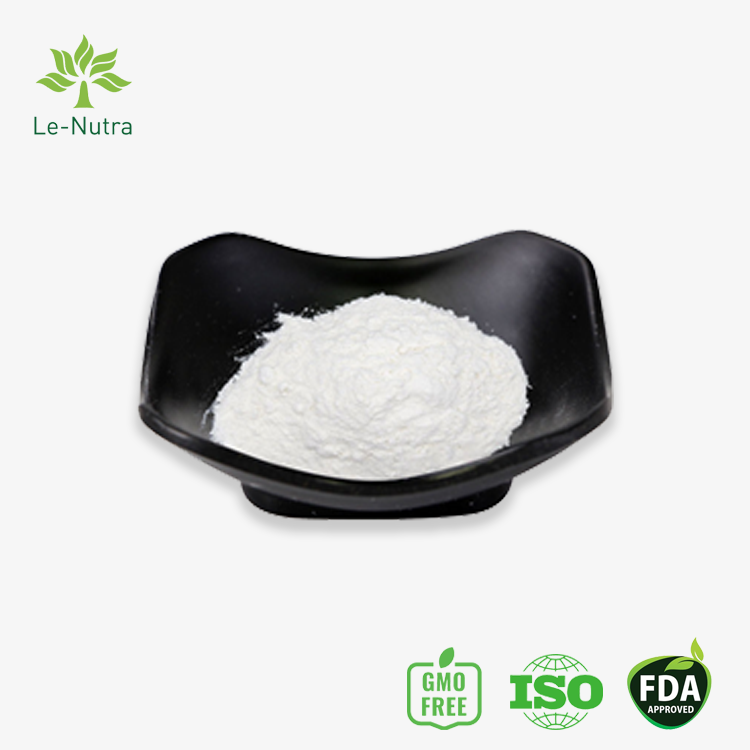
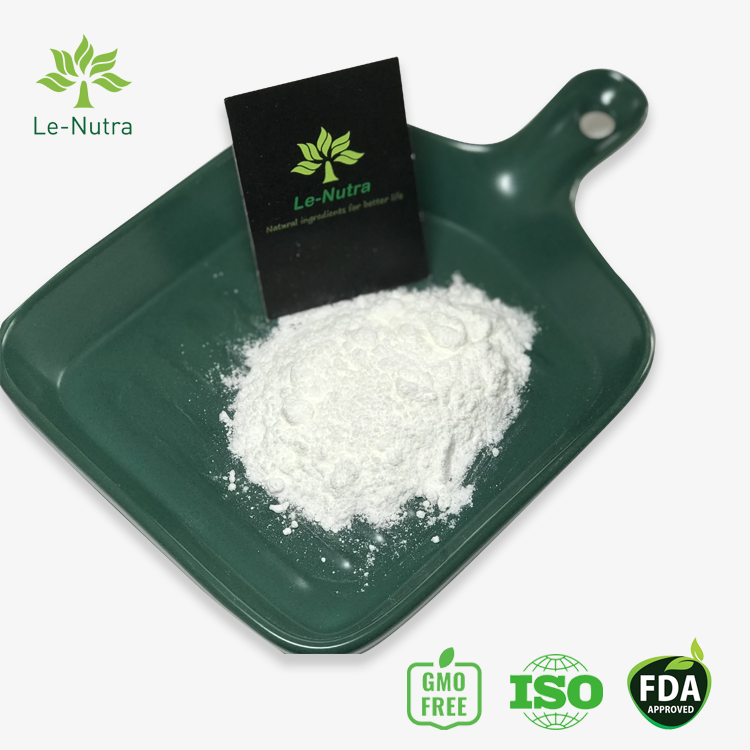
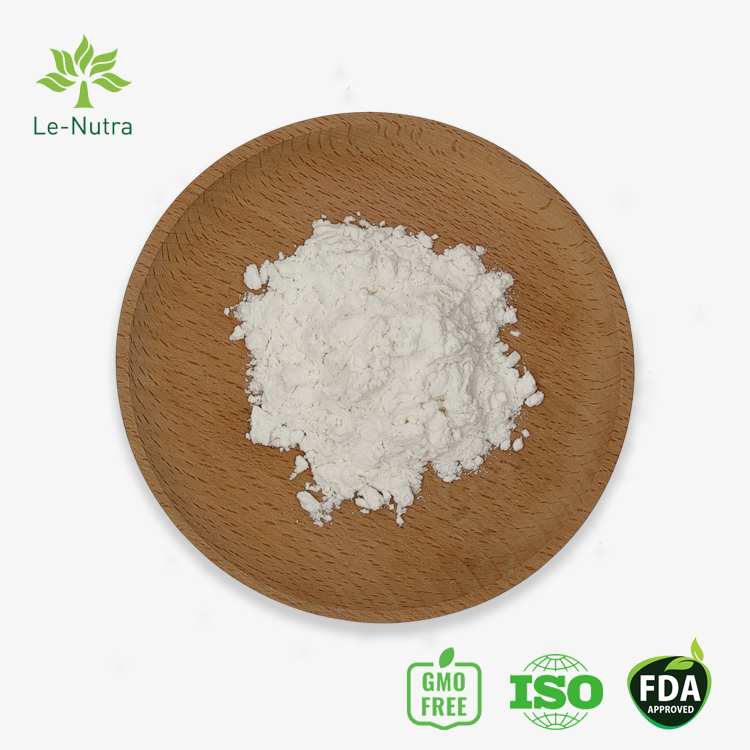
Sodium 2-oxopropanoate (CAS NO.: 113-24-6) is a white to off white crystalline powder, chemical formula C3H3NaO3, molecular weight 112.06. The chemical dissolves quickly in water to concentrations of up to 100 mg/mL to provide clear solutions appropriate for filter sterilisation and direct addition to culture medium. The melting point is more than 300°C , which is thermal stability for ease of handling and formulation. The sodium salt form eliminates the polymerisation problems sometimes seen with free pyruvic acid and provides constant quality for the 24 month shelf life under proper storage settings.
Metabolic Role in Energy Production
Inside cells pyruvate is the ultimate result of glycolysis and the entrance to mitochondrial respiration. It is an energy source readily available when introduced to culture medium bypassing the rate limiting processes of glucose metabolism. This is especially helpful during cell growth, after thawing from cryopreservation, or when dealing with cell lines with high metabolic needs. Exogenous pyruvate availability enables increased ATP synthesis, maintains redox equilibrium by regenerating NADH, and lowers metabolic stress that might impair cell survival.
Studies have shown that pyruvate supplementation increases proliferation rates in mammalian cell cultures such as CHO cells for antibody production and stem cells that need certain metabolic conditions. The use of the chemical as an alternate carbon source is particularly significant in bioreactor cultures at high cell density where glucose depletion and lactate buildup may limit growth.
Key Benefits of Using Sodium Pyruvate Powder for Cell Culture Optimization
Adding pharmaceutical grade sodium pyruvate to your cell culture applications provides a number of performance benefits that contribute directly to better results in research and production settings.
Enhanced Cell Viability and Growth Kinetics
Cells treated with sodium pyruvate always show better viability parameters compared to cells cultured in baseline medium. It promotes mitochondrial activity in conditions of high metabolic demand, such as fast cell proliferation or protein expression. Biopharmaceutical producers claim that the use of optimum pyruvate concentrations in media formulations may improve yields by 15-30%. This improvement is a result of increased energy availability and less metabolic barriers that would otherwise restrict cell division and production.
The growth-promoting effects are more obvious in serum-free and chemically defined medium, where the cells are completely dependent on the nutrients supplied and are free from the buffering capacity of serum components. Studies using hybridoma cultures and recombinant protein production platforms indicate that pyruvate supplementation supports exponential growth phases for long periods of time, postponing the beginning of stationary phase and maximising harvest windows.
Superior Antioxidant Protection Against Oxidative Stress
One of the most important features of sodium pyruvate is its capacity to scavenge hydrogen peroxide and other reactive oxygen species. Oxidative stress is a major problem in cell culture, especially during thawing, passage and when dealing with sensitive primordial cells and stem cells. Pyruvate is a non-enzymatic antioxidant that directly scavenges H2O2 before it damages cellular components.
This protective mechanism minimises the rates of apoptosis and preserves the integrity of the membrane throughout the key periods of culture. Research has shown that media added with 1 mM sodium pyruvate may lower signs of oxidative damage up to 40% relative to unsupplemented controls. The antioxidant effect is complementary to other protective techniques, adding an extra level of protection, improving culture reliability and repeatability.
Metabolic Flexibility and Ammonia Reduction
High cell density cultures are sometimes limited by ammonia buildup from amino acid degradation. In biomanufacturing applications, excess ammonia limits cell development and may affect product quality. Use of sodium pyruvate as an alternate energy source may assist overcome this by reducing the need to use amino acid metabolism to generate ATP.
High efficiency of oxidative pathways of pyruvate in cells reduces energy demand from amino acids and, subsequently, the rate of ammonia formation. This metabolic switch results in a more favourable culture environment, which translates into longer culture lifetime and greater viable cell densities. Bioprocess engineers use this trait to optimise fed-batch techniques and limit the buildup of metabolic waste in bioreactors used for manufacturing.
Comparative Performance Against Alternative Supplements
Cells may use a number of carbon sources and energy substrates, however sodium pyruvate provides several benefits over other choices such as sodium lactate or sodium acetate. Pyruvate enters central metabolism directly and uses fewer enzymatic steps to create ATP. It’s the only supplement that is both an energy source and an antioxidant, so there’s a lot of unique benefit that you can’t get from a one-trick pony.
Studies comparing these two media have shown that pyruvate supplemented media promote fast proliferation and cell survival under stress circumstances better than the lactate based formulation. With an established history for a variety of cell types ranging from initial cultures to immortalised production cell lines, the chemical is a solid option for research and industrial applications.
Practical Guidance: How to Use Sodium Pyruvate Powder in Cell Culture
Successful implementation of sodium pyruvate requires attention to proper handling, preparation, and integration into existing protocols.
Recommended Concentration Ranges and Preparation
Typical working doses of Sodium Pyruvate Powder are in the range 0.5-1.0 mM in full culture medium, however cell type specific optimisation may be required. High purity powder (≥99% by HPLC) soluble in sterile water or PBS to generate stock solutions (100 mM) that may be filter-sterilized (0.22 μm membranes). Concentrated stocks are stable for many weeks at 2–8°C in properly sealed containers, but for maximum performance they should be freshly prepared every two weeks.
Calculate the appropriate amount based on the final media volume and desired concentration. Adding 10 mL of 100 mM stock to 1 L of basal medium results in a final concentration of 1 mM, which is appropriate for most mammalian cell applications. Always check pH after supplementing. Large volume additions might slightly change the medium chemistry. Sodium pyruvate solutions generally have a pH in the range of 4.0-8.0 at 100 g/L, but is neutral when diluted to working quantities in buffered medium.
Integration with Common Media Formulations
Sodium pyruvate is ideal for use with many different types of cell culture medium including DMEM, RPMI-1640 and specialised formulas. Pyruvate is present in many commercial media, but typically needs supplementation for bespoke optimisation. Pyruvate becomes even more important in the development of serum-free or defined media as a defined energy source that can replace undefined serum components.
It is also synergistic with popular supplements such as L-glutamine, amino acids and growth hormones and does not adversely interact with them. Avoid making combination stocks with pyruvate and labile components such as glutamine. Long term storage may lead to deterioration. Add each supplement separately to freshly prepared medium for maximal stability and biological activity.
Quality Considerations and Safety Profile
Choosing pharmaceutical-grade material with the correct certifications assures consistent performance and regulatory compliance. Every batch must be accompanied with full documentation: Certificate of Analysis (COA), Technical Data Sheet (TDS), Material Safety Data Sheet (MSDS) and HPLC chromatograms to prove purity. Critical standards are purity ≥99% , heavy metals ≤20 ppm , loss on drying ≤0.5% and regulated microbiological limits (total plate count ≤1000 cfu/g , yeast and mould ≤100 cfu/g).
At appropriate concentrations, sodium pyruvate is non-toxic and has no safety issues for cell culture applications. The substance is biologically compatible since it occurs naturally in cellular metabolism and is well tolerated in practically all cell types. Shelf life is 24 months when stored at 2-8°C in sealed containers to minimise moisture absorption and to retain product integrity.
Strategic Procurement of Sodium Pyruvate Powder for B2B Buyers
Procurement decisions significantly impact both product quality and operational efficiency in cell culture facilities.
Evaluating Product Grades and Quality Standards
Different applications demand different quality ratings. Cell culture grade material has strict purity and sterility standards for biopharmaceutical manufacture and sensitive research applications. Diagnostic reagent grade goods are used as substrates for lactate dehydrogenase (LDH) tests in liver function testing and reproducible clinical findings need consistent performance from batch to batch. Pharmaceutical intermediates must comply with pharmacopoeia requirements and need a large amount of regulatory paperwork.
When choosing suppliers, choose those who provide thorough analytical documentation, including HPLC chromatograms showing purity, heavy metal analysis showing levels ≤20 ppm, and microbiological testing findings. ISO accreditation shows well-established quality management systems, and GMP compliance is a requirement for materials in pharmaceutical supply chains. Request several batch Certificates of Analysis (COAs) to determine consistency in important parameters such as purity, pH and moisture content.
Packaging Options for Different Scale Requirements
Flexible packaging by suppliers meets research and manufacturing needs.” Aluminium foil bags in 1 kilogram, 5 kg and 10 kg help to reduce waste and to keep freshness for small scale R&D activities and laboratory size operations. These easy sizes enable you to test new formulations or do stability tests without committing to huge inventory.
For production scale operations, 25 kilogram fibre drums with double layer food grade polythene liners are required to preserve contents during shipping and storage and to fulfil industrial quantity demands. Larger packaging means less cost per unit and less complicated handling in industrial settings. Verify that packaging materials are suitable for food contact and offer enough protection against moisture and contamination for the intended shelf life.
Supply Chain Reliability and Lead Times
To make sure operations go on without a hitch, it’s essential to build connections with manufacturers that can provide a reliable supply and fast service. Look at possible vendors and how much they can produce, what they have in stock, and where they have distribution centres overseas. Manufacturers that produce several thousand tonnes per year have the infrastructure to handle large-volume needs without interruption in supply.
Find more about safety stock procedures, normal lead times and expedited shipment for urgent needs. Suppliers with over 30 days of completed products inventories can react rapidly to unforeseen demand surges or quality concerns that need instant replacement. As the product requires storage at 2-8°C, trusted cold-chain logistics are critical. You should ensure your suppliers have formed connections with logistics companies who have expertise with temperature-controlled shipping and that they can provide monitoring paperwork for each shipment.
Maximizing ROI: Why Sodium Pyruvate Powder is the Smart Choice for Your Cell Culture Needs
Strategic media optimization delivers measurable financial returns through improved efficiency and reduced failure rates.
Cost-Benefit Analysis for Biomanufacturing Operations
High-purity supplements Sodium Pyruvate Powder are a good investment up front, but the payoff is increased production and less waste. With optimised medium compositions and the right pyruvate concentrations, manufacturing facilities report an increase in viable cell densities of 20-35%, which translates directly to greater product titers each batch. This increase in productivity results in lower cost per gramme of therapeutic proteins, vaccines or other biologics.
Less cultural failures and more consistency from batch to batch means less costly reworking and faster schedules. The cost of media supplements is a tiny part of the overall cost of manufacture of high value biologics. Proven high quality components provide a dependability payoff that far outweighs any variances in material cost.
Building Supplier Partnerships for Long-Term Success
Procurement success is more than transactional buying. It is about building strategic alliances with manufacturers that can provide technical assistance and customisation skills. Suppliers with specialised R&D teams may be able to give cell culture validation data, propose ideal doses for particular applications, and assist with troubleshooting performance difficulties. This partnership speeds process development and decreases the learning curve for launch of new formulations.”
Suppliers with full-service OEM and ODM capabilities allow for unique specifications to match proprietary procedures. The proper partner offers technical options beyond typical catalogue items, from specialised particle size distributions, ultra-low endotoxin levels to regulatory filing assistance including Drug Master Files (DMF). Such value-added services are especially useful for organisations that are traversing complicated regulatory processes or transitioning from research to commercial manufacturing.
Staying Competitive Through Innovation
The biopharmaceutical space is changing quickly with continual breakthroughs in cell line engineering, process intensification and quality-by-design techniques. Suppliers investing in innovation and staying in touch with industry developments help customers compete. The availability of new formulation techniques, different packaging alternatives or next-generation quality control procedures puts your organisation in a position to be able to respond proactively rather than reactively.
By being in regular contact with suppliers regarding pipeline advances, regulatory changes and market dynamics, you generate an information flow that benefits both sides. Companies with extensive industry know-how know the client pain points of batch-to-batch consistency, storage stability and supply security and seek to solve these issues via product development and service innovations.
Conclusion
Optimizing cell culture outcomes requires thoughtful selection and application of media supplements that directly support cellular metabolism and protect against environmental stresses. Sodium Pyruvate Powder delivers measurable benefits through enhanced energy availability, superior antioxidant protection, and metabolic flexibility that reduces ammonia accumulation in high-density cultures. These advantages translate to improved viability, higher productivity, and greater process reliability across research and biomanufacturing applications. Strategic procurement focusing on quality, supplier capability, and long-term partnership positions your organization to maximize returns while maintaining the consistency essential for regulatory compliance and commercial success.
FAQ
1.What concentration of sodium pyruvate should I use in cell culture media?
Most mammalian cell applications perform well with 0.5-1.0 mM final concentrations, though specific cell lines may benefit from optimization. Begin with 1 mM as a starting point and evaluate cell growth, viability, and productivity. Some high-metabolism cells or stress-sensitive cultures may require up to 2 mM, while others function adequately at 0.5 mM. Conduct small-scale experiments comparing several concentrations to identify the optimal level for your specific application.
2.Is sodium pyruvate compatible with serum-free and chemically defined media?
Absolutely. The compound demonstrates excellent compatibility with all major media types, including serum-free, chemically defined, and protein-free formulations. Its role becomes even more critical in defined systems where cells lack the metabolic buffering provided by serum components. Many commercial serum-free media include pyruvate as a standard component, recognizing its importance for supporting cell metabolism in the absence of undefined nutrients.
3.How should I store sodium pyruvate to maintain quality?
Store powder at 2-8°C in tightly sealed containers within a cool, dry, well-ventilated area. Proper storage prevents moisture absorption that can compromise powder flow properties and chemical stability. Once dissolved into stock solutions, maintain refrigeration and use within two weeks for optimal performance. Protect both powder and solutions from prolonged light exposure, though normal laboratory lighting during handling poses no concern.
Partner with Le-Nutra for Premium Sodium Pyruvate Powder Supply
Le-Nutra brings over 14 years of expertise in manufacturing high-purity biochemical ingredients for global biopharmaceutical, diagnostic, and research markets. Our pharmaceutical-grade Sodium Pyruvate Powder meets the rigorous demands of cell culture applications, backed by comprehensive quality documentation including COA, TDS, MSDS, and HPLC chromatograms confirming ≥99% purity. We maintain a 60,000㎡ production facility with 3,000-ton annual capacity and offer flexible packaging from 1 kg R&D quantities to 25 kg production drums. As a reliable sodium pyruvate manufacturer, we provide 98% on-time global delivery, GMP compliance, and 7×24 technical support. Contact our team at enquiry@lenutra.com to request samples or discuss custom formulation requirements that elevate your cell culture outcomes.
References
1. Hassell, T., Gleave, S., & Butler, M. (1991). Growth inhibition in animal cell culture: The effect of lactate and ammonia. Applied Biochemistry and Biotechnology, 30(1), 29-41.
2. Koobs, D. H. (1972). Phosphate mediation of the Crabtree and Pasteur effects. Science, 178(4062), 127-133.
3. Marroquin, L. D., Hynes, J., Dykens, J. A., Jamieson, J. D., & Will, Y. (2007). Circumventing the Crabtree effect: Replacing media glucose with galactose increases susceptibility of HepG2 cells to mitochondrial toxicants. Toxicological Sciences, 97(2), 539-547.
4. O'Donnell-Tormey, J., Nathan, C. F., Lanks, K., DeBoer, C. J., & de la Harpe, J. (1987). Secretion of pyruvate: An antioxidant defense of mammalian cells. Journal of Experimental Medicine, 165(2), 500-514.
5. Vander Heiden, M. G., Cantley, L. C., & Thompson, C. B. (2009). Understanding the Warburg effect: The metabolic requirements of cell proliferation. Science, 324(5930), 1029-1033.
6. Zeng, A. P., & Deckwer, W. D. (1995). A kinetic model for substrate and energy consumption of microbial growth under substrate-sufficient conditions. Biotechnology Progress, 11(1), 71-79.
Online Message
YOU MAY LIKE
High-quality Botanical Extracts, Functional Ingredients, And Nutraceutical Raw Materials Manufacturer And Supplier